Darwin Rise
The Darwin Rise is a massive submarine topographic feature in the western and central Pacific Ocean that serves as a significant case study in marine…
What unique features or characteristics distinguish the Darwin Rise from other underwater geological formations?
The Darwin Rise is a massive submarine topographic feature in the western and central Pacific Ocean that serves as a significant case study in marine geology. Unlike active geological features such as the East Pacific Rise, which functions as a spreading center where new crust is created, the Darwin Rise is currently seismically inactive and exhibits normal heat flow.12
Its distinguishing characteristics include:
- Evidence of Subsidence: The formation provides critical confirmation that large vertical movements of the Earth’s crust occur beneath the sea. It features many flat-topped seamounts (guyots) and coral atolls that have subsided continuously since the Cretaceous Period.1
- Geological Composition: A vast archipelagic apron composed of fluid lava flows covers much of the area, which is also marked by parallel ridges, troughs, and transverse fracture zones.1
- Historical Significance: The area validates Charles Darwin’s 19th-century theory regarding the formation of atolls through the gradual sinking of the ocean floor.12
How has modern technology and research methods improved our understanding of the Darwin Rise?
The provided search results do not contain specific information regarding how modern technology and research methods have improved our understanding of the Darwin Rise.
While the records confirm that the Darwin Rise is a significant feature in marine geology that validates theories of subsidence and volcanism, the available data focuses on its historical geological context rather than the evolution of the specific research techniques used to study it.1
What is the significance of the Darwin Rise in terms of understanding the Earth’s geological history?
The Darwin Rise is a landmark feature in marine geology that provides essential evidence for understanding the Earth’s geological history, particularly regarding crustal movement. Spanning a vast area of the western and central Pacific Ocean, this submarine feature confirms that significant vertical shifts of the Earth’s crust occur beneath the sea.1
Its significance is rooted in several key areas:
- Validation of Subsidence: The presence of flat-topped seamounts (guyots) and coral atolls provides physical proof of long-term subsidence. The discovery of shallow-water organisms and oxidized iron on these submerged peaks indicates they were once exposed above sea level, supporting Charles Darwin’s 19th-century theory that atolls form as the ocean floor gradually sinks.12
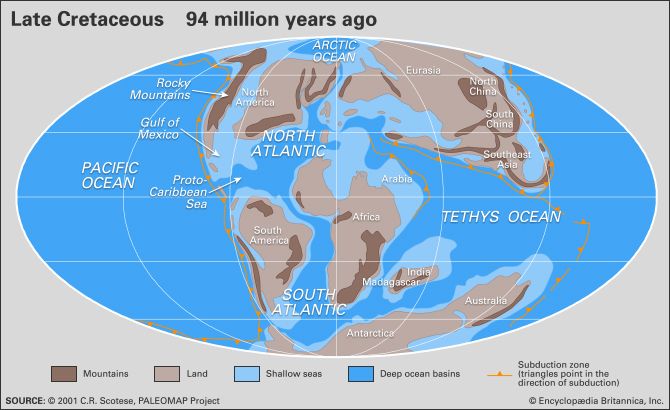
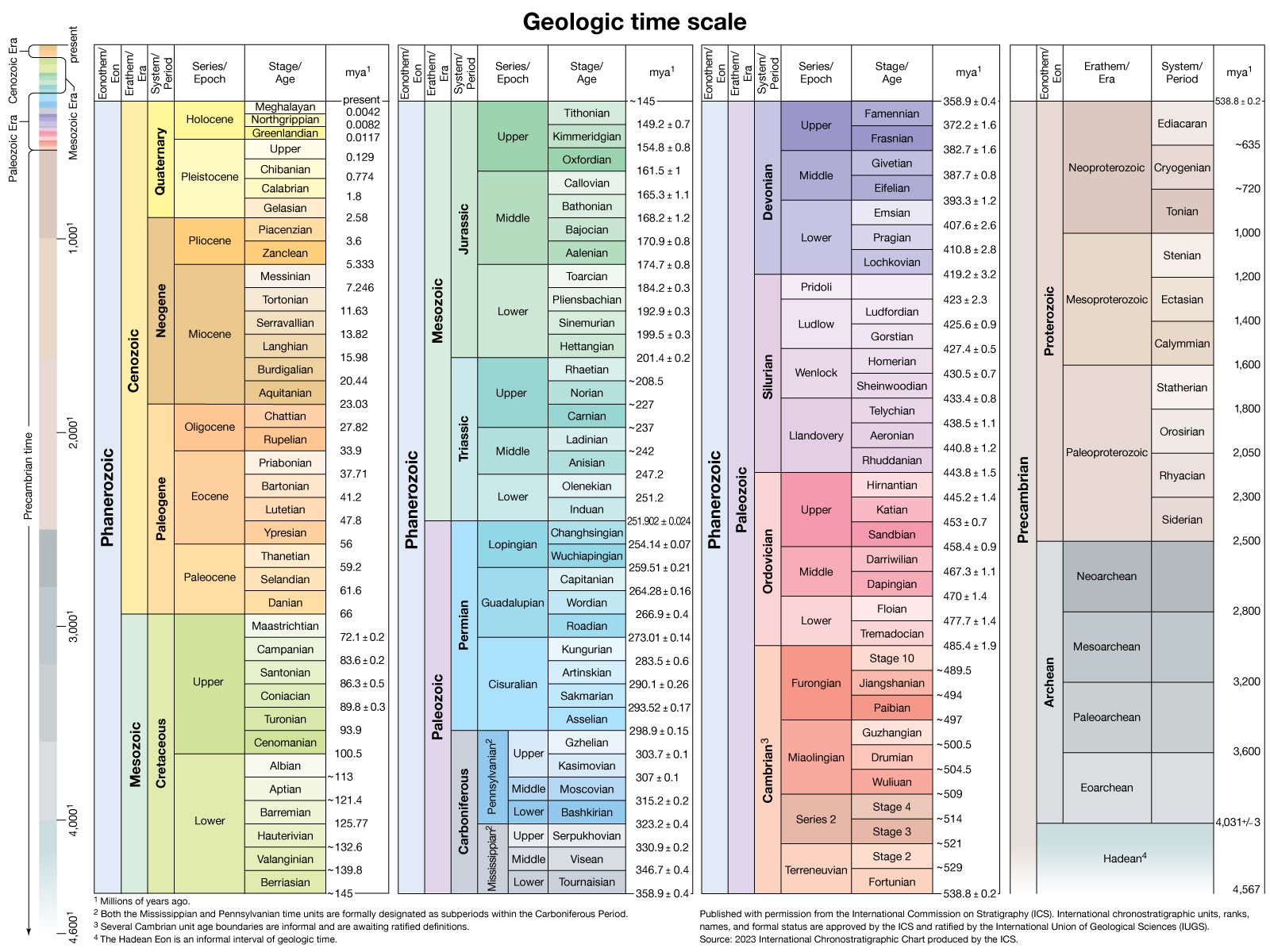
- Geological Record: The rise serves as a relic of the Mesozoic Era, preserving evidence of past volcanic activity and tectonic processes through its unique ridge and trough topography and extensive archipelagic apron of lava flows.1
What role does the Darwin Rise play in plate tectonics and the movement of the Pacific Plate?
The Darwin Rise is not an active component of current plate tectonic movement, such as a spreading center or a subduction zone. Instead, it is a relic feature of the Mesozoic Era that provides historical evidence for the vertical movement of the Pacific Plate.
While the plate tectonics theory explains the creation of new crust at active sites like the East Pacific Rise, the Darwin Rise represents a region that has undergone significant subsidence over millions of years. Its significance to tectonic history includes:
- Vertical Crustal Movement: The rise confirms that large-scale vertical shifts of the Earth’s crust occur beneath the ocean, independent of the lateral plate motions that define modern tectonic boundaries.1
- Evidence of Past Activity: The presence of guyots and volcanic cones that were once above sea level demonstrates that this area was formerly a high-standing topographic feature before sinking as the underlying lithosphere cooled and moved away from its original thermal source.12
- Current State: Today, the area is seismically inactive and exhibits normal heat flow, indicating it is no longer a site of active tectonic or volcanic growth.1
Sources
- Darwin Rise — Encyclopædia Britannica
- Pacific Ocean - Geology — Encyclopædia Britannica
- volcano - Submarine volcanoes — Encyclopædia Britannica
- plate tectonics - Determination of plate thickness — Encyclopædia Britannica
- plate tectonics - Dissenters — Encyclopædia Britannica
- Quaternary - Correlation of Quaternary deposits — Encyclopædia Britannica
Published on · 3 min read