Deathwatch Beetle
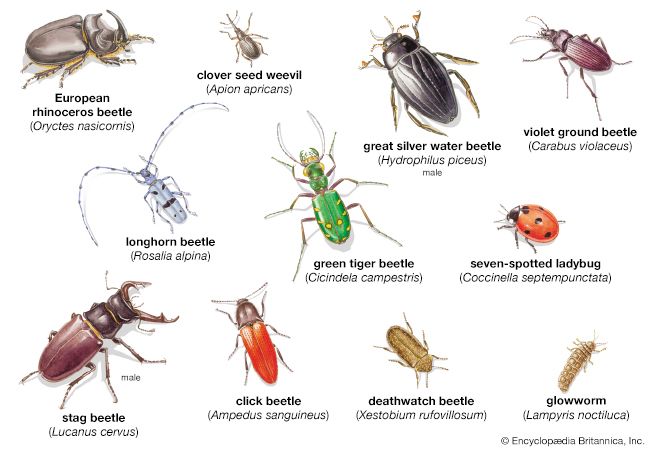
The deathwatch beetle (Xestobium rufovillosum) is a small, cylindrical insect belonging to the family Anobiidae. These beetles are known for boring into…
What is deathwatch beetle?
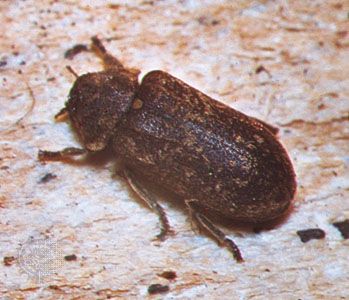
The deathwatch beetle (Xestobium rufovillosum) is a small, cylindrical insect belonging to the family Anobiidae. These beetles are known for boring into seasoned or dead wood, often causing significant damage to old furniture and the structural timber of buildings.123
The beetle is famous for the rhythmic ticking or clicking sound it produces by striking its head or jaws against the sides of its tunnels. While this sound is actually a mating call, it was historically surrounded by superstition; people once believed the noise forecasted an approaching death, as it was frequently heard by those keeping a “deathwatch” over an ill person.12
When threatened or disturbed, these beetles typically exhibit a defensive behavior where they pull in their legs and play dead. They are categorized among several groups of wood-boring beetles that can cause severe degradation to wooden items and structures.13
How do deathwatch beetles damage wooden structures?
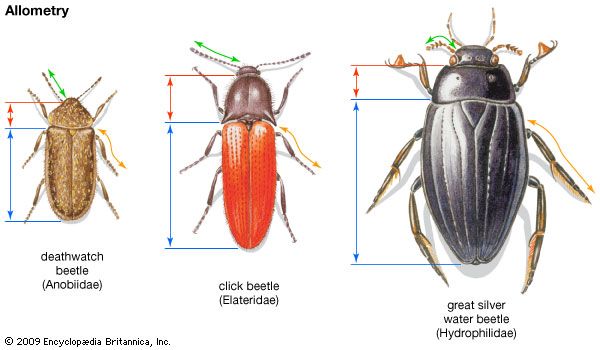
Deathwatch beetles (Xestobium rufovillosum) damage wooden structures primarily by boring into seasoned or dead wood. As members of the Anobiidae family, these insects are categorized as dry-wood borers, a group known for causing severe degradation to structural timber, furniture, and other wooden items.231
The damage occurs as the beetles create tunnels within the wood. While the adult beetles are responsible for the characteristic ticking or clicking sounds heard during their mating rituals, the boring activity is a destructive process that compromises the integrity of the wood over time. Because they target seasoned wood, they are particularly problematic in older buildings where they can infest structural elements like rafters and flooring.321
What other insects are known for boring into wood?
Several insects are well-known for their ability to bore into and damage wood. These include:
- Termites: These are among the most destructive pests to human-built structures. While some species are beneficial to the ecosystem by recycling cellulose, others, such as subterranean termites and dry-wood termites, cause extensive damage to wooden furnishings and buildings.4
- Powderpost beetles: These beetles (subfamily Lyctinae) bore through seasoned wood, often reducing the interior to a fine, dry powder. They typically do not infest wood that has been painted, varnished, or treated.5
- Old house borers: A type of cerambycid beetle (Hylotrupes bajulus) whose larvae feed on dry coniferous wood, frequently causing serious damage to structural elements like flooring and rafters.6
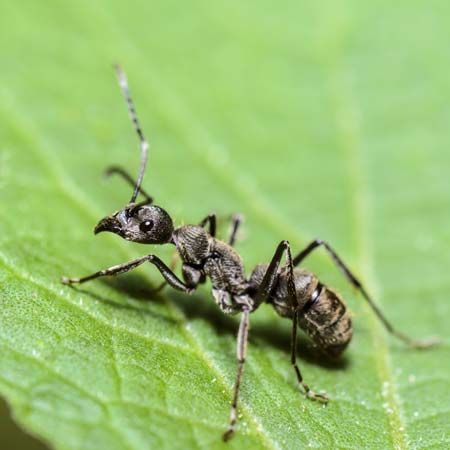
- Carpenter ants: Unlike termites, these ants do not consume wood. Instead, they use their mandibles to excavate tunnels and galleries in dead or decaying wood to create nests, which can compromise the structural integrity of buildings and trees.7
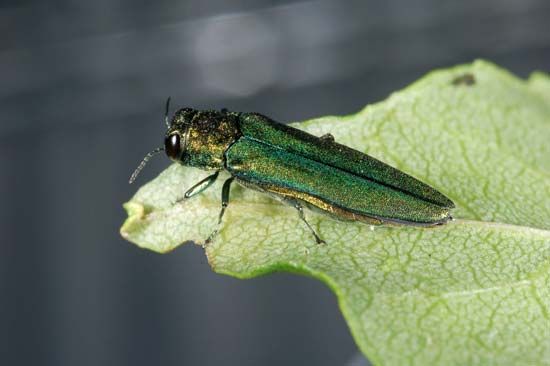
- Metallic wood-boring beetles: This family (Buprestidae) includes destructive species such as the emerald ash borer, which are known for their wood-boring larvae.8
Why do some insects make sounds as part of their mating rituals?
Insects utilize sound as a primary means of communication during mating rituals because auditory signals can travel around physical barriers, unlike visual cues. These sounds serve as essential advertising signals that reveal the caller’s species, sex, and sometimes their mating status.9
Mechanisms of Sound Production
Insects have evolved specialized physical mechanisms to generate these signals:
- Stridulation: Common in katydids and crickets, this process involves rubbing wings together. One wing features a serrated “file” that scrapes against a sharp edge on the other, causing the wing surfaces to vibrate.10
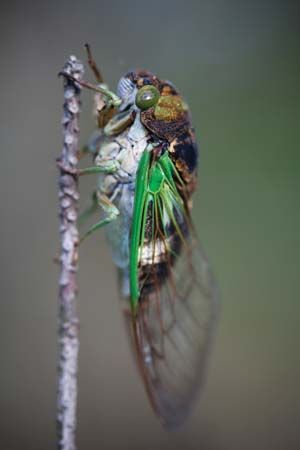
- Tymbal Organs: Found in cicadas and other Auchenorrhyncha, these are complex membranes on the abdomen. Muscles contract to distort the membrane, creating sharp pulses or clicks. When performed rapidly, these pulses sound continuous to the human ear.11
- Wing Vibration: Some insects, such as mosquitoes, produce species-specific sounds through the movement of their wings to attract mates.9
Behavioral Functions
Beyond simple attraction, these sounds facilitate complex social interactions. Males often use these calls to aggregate, and in some species, they engage in alternating or chorus-like patterns to compete for or attract females. Additionally, these signals can function as territorial markers to repel rival males, ensuring the caller maintains access to potential mates.10119
Sources
- deathwatch beetle — Encyclopædia Britannica
- deathwatch beetle — Merriam-Webster
- Coleoptera - As plant feeders — Encyclopædia Britannica
- old house borer — Merriam-Webster
- powderpost beetle — Encyclopædia Britannica
- carpenter ant — Encyclopædia Britannica
- List of insects - beetles and weevils (order Coleoptera) — Encyclopædia Britannica
- termite - Importance — Encyclopædia Britannica
- sound reception - Behavioral observations — Encyclopædia Britannica
- homopteran - Sound production — Encyclopædia Britannica
- Reproductive behaviour - Auditory clues — Encyclopædia Britannica
Published on · 3 min read