Dermestid Beetle
Dermestid beetles undergo complete metamorphosis, progressing through four distinct life stages: egg, larva, pupa, and adult.
How can dermestid beetles be identified in their various life stages (egg, larva, pupa, adult)?
Dermestid beetles undergo complete metamorphosis, progressing through four distinct life stages: egg, larva, pupa, and adult.1
- Egg: While specific identification of eggs can be difficult, they are typically laid by the female in or near a food source suitable for the larvae.1
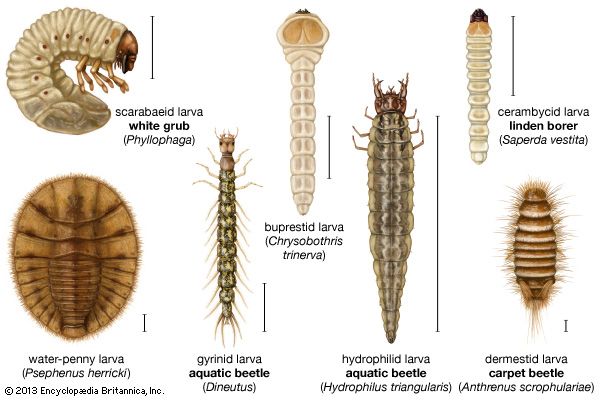
- Larva: These are the only beetle larvae covered in hair. They are generally cylindrical and tapering, often resembling hedgehogs or porcupines due to whorls of short and long bristles. They molt several times as they grow.231
- Pupa: This nonfeeding stage occurs beneath the final larval skin. The pupa is soft, pale, and resembles the adult, though its appendages are loosely attached or curled, and its wings are folded into flat pads. As the adult stage nears, the pupa may darken, particularly around the eyes and mandibles.14
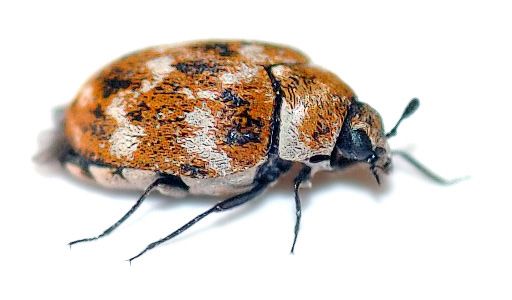
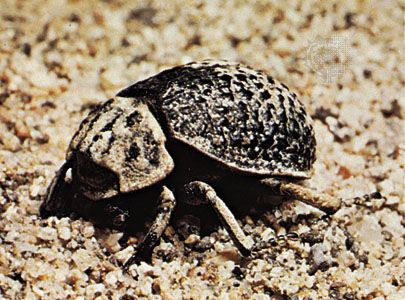
- Adult: Adults are typically round to oval, ranging from 1 to 12 mm in length. They are often covered in scales or hairs that rub off easily and possess clubbed antennae that fit into grooves on the head.2
How have dermestid beetles been used historically, and how has their use evolved over time?
Dermestid beetles, whose name derives from the Greek for “skin eater,” have long been recognized for their ability to consume organic material of animal origin. While many species are historically viewed as destructive household pests that damage furs, wool, and museum collections, certain carrion-feeding species have been utilized for their scavenging efficiency.16
Historical and Modern Utility
The primary historical and contemporary use of dermestid beetles is in taxidermy and museum curation. Because the larvae feed on soft tissues while leaving bones intact, they are employed to clean animal skeletons for scientific study and display. This method is highly valued for its precision, as it allows for the preparation of delicate skeletal structures that might be damaged by manual cleaning techniques.67
Evolution of Use
The application of these beetles has evolved from a natural scavenging process to a controlled biological tool. Beyond their role in skeletal preparation, these insects—along with related skin beetles—are now utilized in forensic entomology. By analyzing the presence and life stages of these beetles on remains, experts can help determine the time since death.7
How many species of dermestid beetles exist, and where are they commonly found?
There are approximately 1,900 species of dermestid beetles (family Dermestidae) worldwide.
These scavenging beetles are widely distributed and are commonly found in environments where they can access organic materials of animal origin, such as furs, skins, feathers, horn, and hair. Because of their diet, they are frequently encountered in:
- Homes: Where they may infest stored food products like cheese, dried meats, and grains, or damage household items such as carpets, furniture, and clothing.1
- Museums and Taxidermy Collections: Where they are often considered pests that threaten preserved specimens, though they are also intentionally utilized by professionals to clean soft tissue from animal skeletons.1
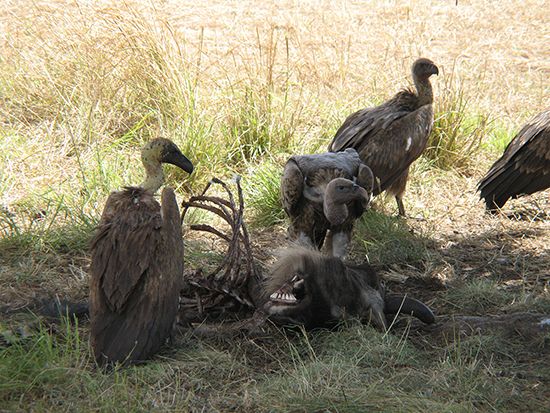
- Nature: Many species are found in association with carrion, where they act as scavengers.1
It is important to note that the term “skin beetle” is sometimes used to refer to the family Dermestidae, but it also refers to a separate group of approximately 300 species in the family Trogidae, which are also scavengers of dry animal carcasses.7
What role do dermestid beetles play in the decomposition process of organic matter?
Dermestid beetles (family Dermestidae) play a significant role in the decomposition process by functioning as specialized scavengers. Unlike many other insects that arrive early in the decay cycle, these beetles are particularly efficient at breaking down dry animal matter, such as skin, hair, feathers, and dried tissues that remain after other organisms have finished feeding.81
In nature, their feeding habits contribute to the recycling of organic nutrients by consuming carcasses that have already reached a desiccated state. This unique ability to process tough, protein-rich materials makes them essential in the natural cleanup of waste products. Because of this, they are intentionally utilized by taxidermists and museum professionals to clean soft tissue from animal skeletons, as they can remove remnants from delicate bone structures without causing the damage often associated with manual or chemical cleaning methods.81
While they are beneficial in these specific contexts, their role as scavengers also makes them significant household and museum pests, as they will readily consume stored animal-based materials like wool, fur, and preserved specimens.81
Sources
- dermestid beetle — Encyclopædia Britannica
- Coleoptera - General features — Encyclopædia Britannica
- Coleoptera - Larvae — Encyclopædia Britannica
- Coleoptera - Pupae — Encyclopædia Britannica
- pupa — Encyclopædia Britannica
- dermestid — Merriam-Webster
- skin beetle — Encyclopædia Britannica
- Coleoptera - As scavengers — Encyclopædia Britannica
Published on · 3 min read