Dika
Dika (Irvingia gabonensis) is a large, evergreen tree native to western Africa that belongs to the family Irvingiaceae. It is primarily valued for its edible…
What is Dika?
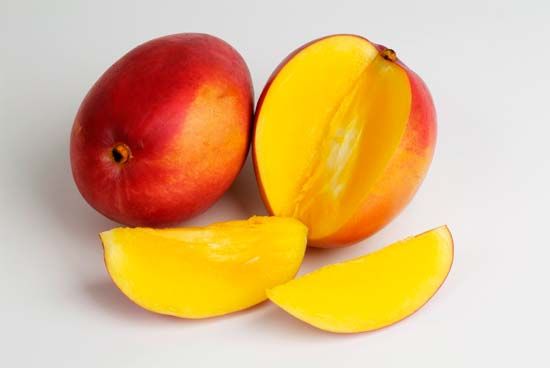
Dika (Irvingia gabonensis) is a large, evergreen tree native to western Africa that belongs to the family Irvingiaceae. It is primarily valued for its edible seeds, often called dika nuts, and its fleshy fruit, which resembles a mango.1
The tree’s versatile components are utilized in several ways:
- Culinary Uses: The fruit is eaten fresh or processed into jams and jellies. The seed kernels are roasted, pounded, and used as a thickener in soups or ground into flour. They are also used to adulterate chocolate and as a relish for plantains.1
- Industrial and Medicinal Applications: The fat extracted from the seeds is used in the production of soap and candles. Additionally, the seeds are frequently marketed for use in weight loss supplements.1
- Construction: The tree produces a hard, durable wood suitable for heavy construction projects.1
How is the dika nut used in traditional West African cooking?
In traditional West African cooking, the dika nut—the seed of the Irvingia gabonensis tree—is a versatile culinary ingredient prized for its thickening properties and flavor.1
The preparation and use of the seeds typically involve the following methods:
- Thickening Agent: The seed kernels are often roasted, similar to coffee beans, and then pounded. This processed material is poured into a mold before being added to boiling meat and vegetable dishes to serve as a thickener.1
- Flour and Relish: The seeds can be ground into a flour for various culinary applications. Additionally, a relish prepared from the dika nut is a traditional accompaniment served with plantains.1
- Other Uses: Beyond these primary culinary roles, the seeds are sometimes used to adulterate chocolate, and the oil extracted from the seeds is utilized in various food preparations.1
What are the physical characteristics of the dika tree?
The dika tree (Irvingia gabonensis) is a large, evergreen tree characterized by a dense crown and large buttresses at its base. Its physical features include:1
- Leaves: The leaves are simple, asymmetrical, and feature a glossy upper surface. They are also noted for having longitudinal markings, large deciduous stipules that enclose a prominent pointed terminal bud, and closely parallel secondary venation.12
- Flowers: The tree produces small clusters of bisexual flowers that range in color from yellow to pale greenish. The nectary disc is very obvious, and the thin sepals are conspicuously reflexed as the fruit develops.12
- Fruit: The fruit is a large, edible drupe containing thick, fibrous flesh.1
- Wood: The tree is known for producing a hard, durable wood that is highly valued for heavy construction purposes.1
Why is the dika tree considered important for its wood?
The dika tree (Irvingia gabonensis) is highly valued for its wood primarily because it is exceptionally hard and durable. These physical properties make the timber particularly useful for heavy construction projects, where strength and longevity are essential requirements.1
Sources
- Dika — Encyclopædia Britannica
- Malpighiales - Ungrouped families — Encyclopædia Britannica
Published on · 2 min read