Dinosaur National Monument
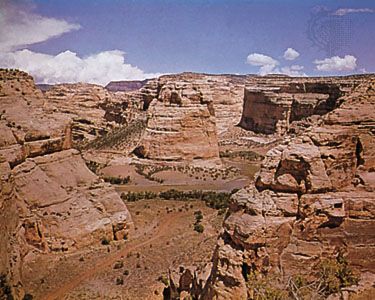
Dinosaur National Monument is located in a desert region spanning northwestern Colorado and northeastern Utah, U.S.
Where is Dinosaur National Monument located, and what is its significance?
Dinosaur National Monument is located in a desert region spanning northwestern Colorado and northeastern Utah, U.S.1
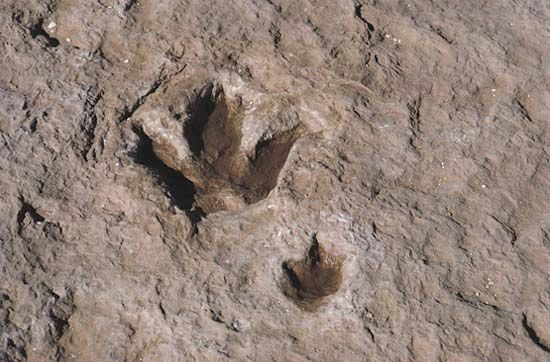
The monument is significant primarily for its exceptionally rich fossil beds. Established in 1915, it protects a massive quarry where paleontologists have unearthed hundreds of tons of dinosaur bones, including specimens of Stegosaurus, Apatosaurus, and Allosaurus. Visitors can view a wall of these fossils preserved in situ within the monument’s quarry building.1
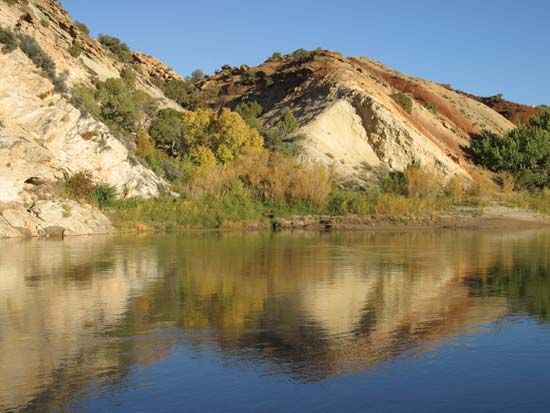
Beyond its paleontological value, the monument encompasses 329 square miles of dramatic landscape, including the scenic canyons carved by the Green and Yampa rivers. These canyons expose approximately 20,000 feet of geologic strata and contain petroglyphs that provide evidence of prehistoric human life in the region.1
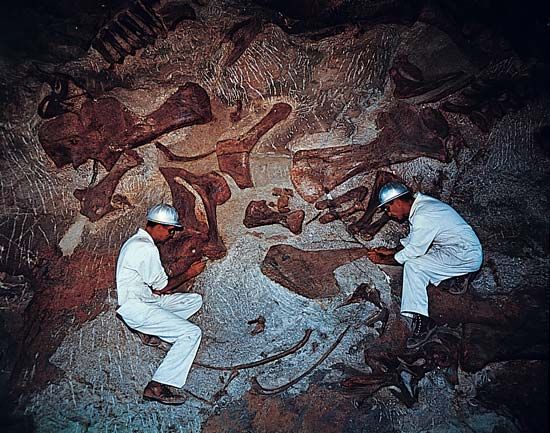
What types of dinosaur fossils can be found at Dinosaur National Monument?
The fossil beds at Dinosaur National Monument are primarily sourced from the Morrison Formation, a series of sedimentary rocks deposited during the Jurassic Period.21
Excavations conducted between 1909 and 1923 yielded 350 tons of dinosaur bones, including 23 mountable skeletons. The diverse remains discovered at the site include:1
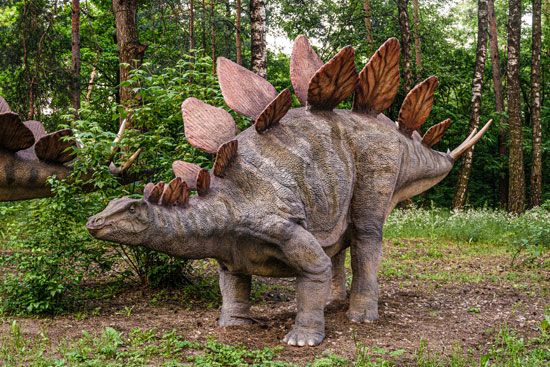
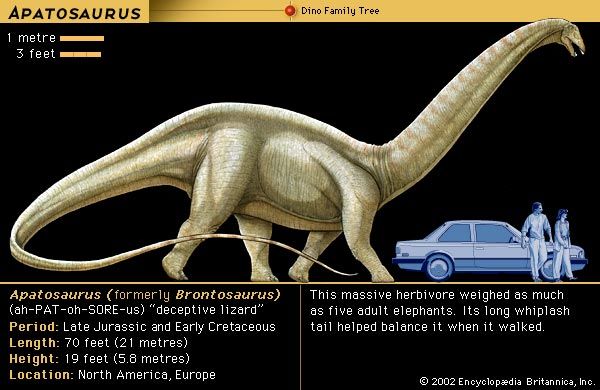
- Vegetarians: Notable specimens include the plated Stegosaurus and the long-necked Apatosaurus.1
- Carnivores: The site has produced remains of the predatory Allosaurus.1
In addition to these dinosaurs, the fossil record at the monument includes a variety of other organisms that inhabited the region during the Late Jurassic, such as mollusks, fishes, insects, crocodiles, and turtles. Many of these fossils are found as jumbled, partially disarticulated skeletons, likely resulting from carcasses being transported by ancient rivers and deposited on sandbars.2
How was Dinosaur National Monument discovered, and when was it established?
Dinosaur National Monument was discovered in 1909 by Earl Douglass, a paleontologist from the Carnegie Museum in Pittsburgh, Pennsylvania. Following his discovery, Douglass led extensive excavations at the site between 1909 and 1923, which resulted in the removal of 350 tons of dinosaur bones.1
The monument was officially established in 1915 to protect these significant fossil beds. Originally encompassing only 80 acres, the site was significantly enlarged in 1938 to 326 square miles to include the scenic canyons of the Green and Yampa rivers. It currently covers an area of 329 square miles.1
What are the main visitor activities and educational programs offered at Dinosaur National Monument?
Dinosaur National Monument offers a variety of visitor activities centered around its unique paleontological and natural features. Key amenities and experiences include:
- Dinosaur Quarry: Visitors can view a wall of fossilized bones left in place within the monument’s Dinosaur Quarry building, providing a direct look at the site’s rich paleontological history.1
- Educational Facilities: The monument features a visitor centre and a museum where guests can learn about the area’s geology and the prehistoric life discovered during the early 20th-century excavations.1
- Outdoor Recreation: The landscape, shaped by the Green and Yampa rivers, provides opportunities for exploring nature trails and utilizing designated campsites.1
- Cultural and Natural Sightseeing: Tourists can observe wildlife, such as deer, beaver, and various birds of prey, and view petroglyphs that serve as evidence of prehistoric human activity in the canyons.1
Sources
- Dinosaur National Monument — Encyclopædia Britannica
- Morrison Formation — Encyclopædia Britannica
- Colorado National Monument — Encyclopædia Britannica
Published on · 3 min read