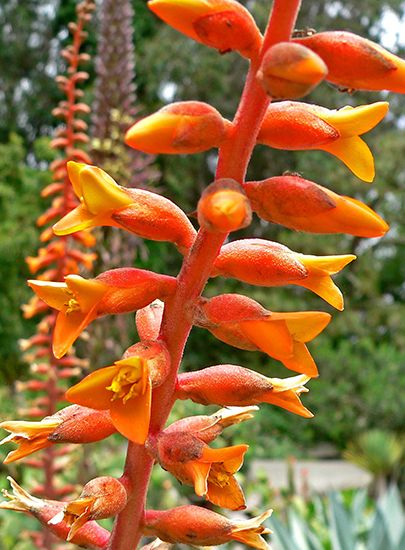
Dioscoreales
Plants in the Dioscoreales order are primarily distributed across tropical and subtropical regions of the world.
How are plants in the Dioscoreales order distributed geographically?
Plants in the Dioscoreales order are primarily distributed across tropical and subtropical regions of the world.1
The geographic presence of specific families and genera within the order includes:
- Dioscoreaceae: This family, which includes the yam, is widespread in tropical areas. Notable examples include the yampee, native to South America and the West Indies, and the white yam, which originated in India and the Malay Peninsula. Additionally, species such as the elephant’s-foot are found in Africa, while the genus Tacca is primarily located in the tropical wet forests of Southeast Asia primarily located in the tropical wet forests of Southeast Asia.1
- Burmanniaceae: These small, often saprophytic plants are found in the understory of wet tropical forests.1
- Nartheciaceae: This family is also included within the order, though the specific distribution of its genera is distinct from the primarily tropical focus of the other families.1
What are some examples of well-known plants in the Dioscoreales order?
The Dioscoreales order includes a diverse range of plants, many of which are well-known for their economic, medicinal, or ornamental value. The most prominent members belong to the family Dioscoreaceae, commonly known as the yam family.
Notable examples include:
- Yams (Dioscorea): Several species are cultivated globally as staple food crops for their starchy, tuberous roots. These include the Chinese yam, the air potato, the yampee, and the white yam.31
- Elephant’s-foot (Dioscorea elephantipes): Native to Africa, this plant is historically significant as a source of famine food.1
- Black bryony (Tamus communis): A European perennial vine recognized for its yellow flowers and poisonous red berries.3
- Bat flower (Tacca): Often grown as an ornamental, these understory herbs are known for their unique, umbel-like inflorescences featuring dark, filiform bracts.1
Beyond their use as food, certain Dioscorea species are vital in the pharmaceutical industry, serving as a primary raw material for the production of birth-control pills and other steroid-based medicines.31
How has the classification of Dioscoreales changed over time in plant taxonomy?
The classification of Dioscoreales has undergone significant refinement, shifting from traditional morphological groupings to systems heavily informed by molecular evidence.1
Taxonomic Evolution
Historically, the order’s composition was less stable, but the Angiosperm Phylogeny Group (APG) system brought major updates to its structure.1
- Initial APG System: The order was recognized as containing five distinct families: Dioscoreaceae, Burmanniaceae, Taccaceae, Thismiaceae, and Tricopodaceae.1
- Revised APG II System: Taxonomic boundaries were consolidated. Taccaceae and Thismiaceae were subsumed into Dioscoreaceae, while the genus Trichopus (formerly Tricopodaceae) was also moved into Dioscoreaceae. Additionally, the family Nartheciaceae was added to the order.1
Modern Classification
The current placement of families within Dioscoreales relies on molecular data rather than solely on physical characteristics. For instance, the inclusion of Burmanniaceae is supported by molecular evidence, despite its traditional association with orchids due to similar fruit structures. Similarly, Nartheciaceae was integrated into the order based on molecular findings and the shared presence of steroidal saponins, moving the genus Narthecium out of the Liliaceae family.1
These changes reflect a broader trend in plant taxonomy, where molecular analysis is increasingly used to resolve the relationships of groups that were previously in taxonomic ferment.6
Are there any medicinal uses for plants in the Dioscoreales order?
Plants in the Dioscoreales order have significant medicinal importance, primarily due to their chemical composition.
- Steroid Hormone Production: The most notable medicinal application involves the genus Dioscorea (yams). These plants contain sapogenins, specifically diosgenin. This compound serves as a vital raw material for the commercial synthesis of progesterone, which is then used to manufacture contraceptives and various steroid hormones, including cortisol and cortisone.789
- Historical Uses: Historically, the dried rhizomes of certain wild yams, such as Dioscorea paniculata, were utilized in the treatment of hepatic disorders and rheumatism.1
- Chemical Properties: The presence of steroidal saponins is a defining characteristic of several families within the order, such as Nartheciaceae, which contributes to their pharmacological potential.9
It is important to note that while these plants are essential for modern medicine, many species also contain poisonous alkaloids in their raw state, which must be neutralized through processing, such as boiling, before they can be safely consumed as food.9
Sources
- Dioscoreales — Encyclopædia Britannica
- Dioscoreaceae — Merriam-Webster
- Dioscoreaceae — Encyclopædia Britannica
- Tacca — Merriam-Webster
- Taccaceae — Merriam-Webster
- Asparagales - Organization and taxonomy — Encyclopædia Britannica
- Sapogenin — Encyclopædia Britannica
- Steroid - Partial synthesis of steroids — Encyclopædia Britannica
- dioscorea — Merriam-Webster
Published on · 3 min read