Caterpillar
Caterpillars have evolved a diverse array of defense mechanisms to survive predation, primarily relying on concealment, chemical deterrents, and physical…
How do caterpillars protect themselves from predators?
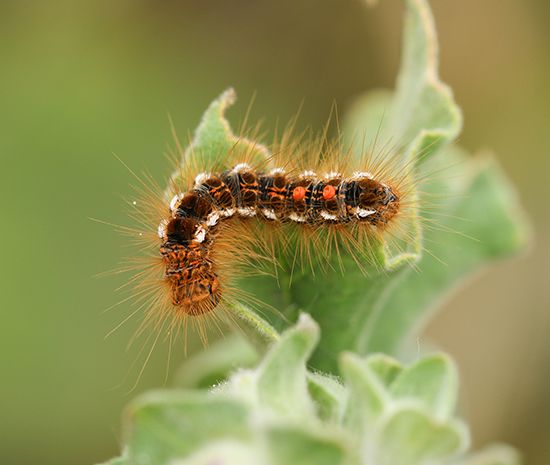
Caterpillars have evolved a diverse array of defense mechanisms to survive predation, primarily relying on concealment, chemical deterrents, and physical adaptations.12
Concealment and Camouflage
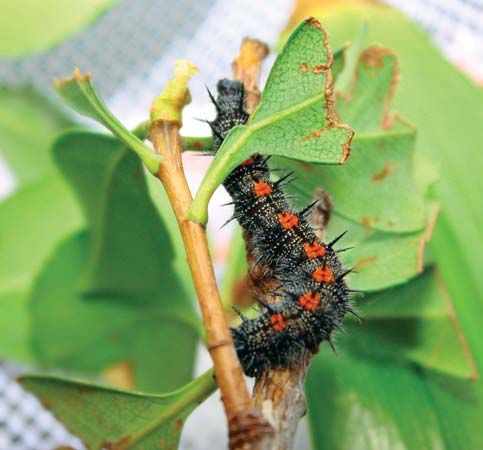
Many caterpillars use cryptic coloration to blend into their environment, often remaining immobile to avoid detection. Some species mimic specific plant parts, such as leaf veins or twigs, while others resemble bird droppings to deter predators. Additionally, some caterpillars construct protective shelters by rolling or webbing leaves, or by creating portable cases masked with debris.312
Chemical and Physical Defenses
- Toxins: Many caterpillars sequester toxic compounds from their host plants, such as the cardenolides found in milkweed, making them poisonous to predators. Others produce their own chemical repellents or spray substances like formic acid.12
- Irritating Structures: Some species possess specialized hairs or venomous spines that cause pain and swelling upon contact.312
- Startle Displays: To delay or confuse attackers, some caterpillars use conspicuous aposematic coloration, false eyespots, or produce sudden sounds and vibrations.312
What are the different stages of a caterpillar’s life cycle?
The life cycle of a butterfly or moth, which belongs to the order Lepidoptera, consists of four distinct stages of complete metamorphosis:
- Egg: The life cycle begins when an adult female lays eggs, typically on the leaves of a host plant that will serve as food for the emerging larva.456
- Larva (Caterpillar): Upon hatching, the caterpillar enters a period of rapid growth. Because their cuticle cannot grow, they must undergo a series of molts, shedding their old skin to accommodate their increasing size.56
- Pupa: Once the caterpillar reaches sufficient size, it enters the pupa stage—often protected by a chrysalis in butterflies or a cocoon in moths. During this resting phase, the larval body tissues break down and reorganize into adult structures, such as wings.374
- Adult (Imago): The mature adult eventually emerges from the pupal casing. After spending time drying its wings, the adult is capable of flight and reproduction, beginning the cycle anew.34
How do caterpillars eat and what types of food do they consume?
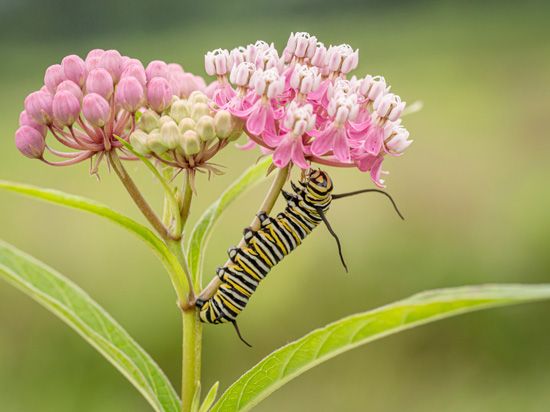
Caterpillars are renowned for their voracious appetites, which are supported by specialized anatomy designed for consuming solid food.
How Caterpillars Eat
Caterpillars possess strong, chewing mouthparts that allow them to manipulate and ingest plant matter. These mouthparts consist of an anterior flap known as the labrum, a pair of robust chewing jaws called mandibles, and complex structures known as the maxillae and labium, which work together to process food.39
Dietary Habits
While diets are largely determined by genetically fixed preferences, most caterpillars are phytophagous, meaning they feed on the leaves of various plants, including fruit trees, crops, shrubs, and hardwood trees. Their feeding choices are often driven by chemical cues—specifically “token substances” characteristic of their host plants—rather than just nutritional content.310
While most species are herbivores, there are notable exceptions:
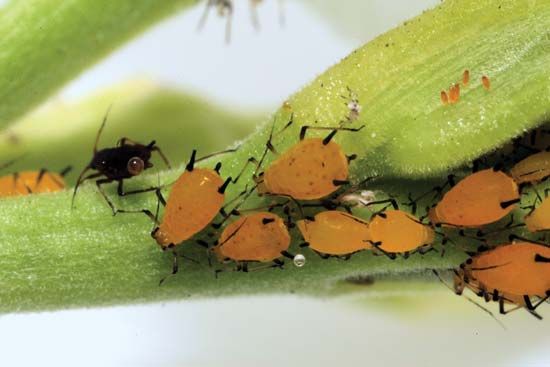
- Carnivorous Caterpillars: Some species prey on other insects, such as woolly aphids or the nymphs of Homoptera.3
- Gastropod Eaters: The Hyposmocoma molluscivora is unique for being the only known lepidopteran that feeds on gastropods.3
How do caterpillars differ from other insect larvae?
Caterpillars, which are the larval form of Lepidoptera (butterflies, moths, and skippers), are distinguished from other insect larvae primarily by their body structure and the presence of specific appendages known as prolegs.1112
Key Distinctions
- Proleg Distribution: Most Lepidoptera caterpillars possess fleshy prolegs on abdominal segments 3 through 6 and 10. This arrangement helps differentiate them from other “caterpillar-like” (eruciform) larvae. For instance, sawfly larvae (Hymenoptera) have prolegs on all abdominal segments, while scorpionfly (Mecoptera) larvae have them on segments 1 through 8.12
- Anatomy: Like all insects, caterpillars have three pairs of true, jointed thoracic legs. Their heads feature six small, simple eyes (stemmata) on each side and a specialized spinneret used for extruding silk, a feature not found in many other larval types.123
- Diversity of Form: While many beetle (Coleoptera) larvae vary significantly—ranging from C-shaped scarabaeid larvae to flattened, predatory carabid types—they lack the specific proleg configuration and silk-spinning capabilities characteristic of true caterpillars.131214
Sources
- insect - Protection from enemies — Encyclopædia Britannica
- Lepidoptera - Protection against danger — Encyclopædia Britannica
- caterpillar — Encyclopædia Britannica
- pupa — Encyclopædia Britannica
- Lepidoptera - Pupa , or chrysalis — Encyclopædia Britannica
- Monarch butterfly - Life cycle — Encyclopædia Britannica
- Hymenoptera - Egg and larva — Encyclopædia Britannica
- insect - Egg — Encyclopædia Britannica
- Lepidoptera - Head — Encyclopædia Britannica
- Feeding behaviour - Invertebrates — Encyclopædia Britannica
- How Many Legs Does a Caterpillar Have? — Encyclopædia Britannica
- Coleoptera - Larval features — Encyclopædia Britannica
- Lepidoptera - The larva, or caterpillar — Encyclopædia Britannica
- Lepidoptera - Form and function — Encyclopædia Britannica
- Coleoptera - Larvae — Encyclopædia Britannica
Published on · 3 min read