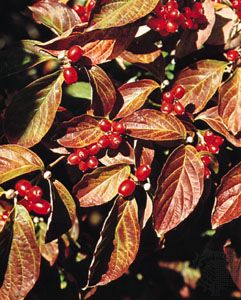
Dogwood
The genus Cornus, commonly known as dogwood, comprises a diverse group of shrubs, trees, and herbs within the family Cornaceae. While the provided…
How many species of dogwood exist, and where are they commonly found?
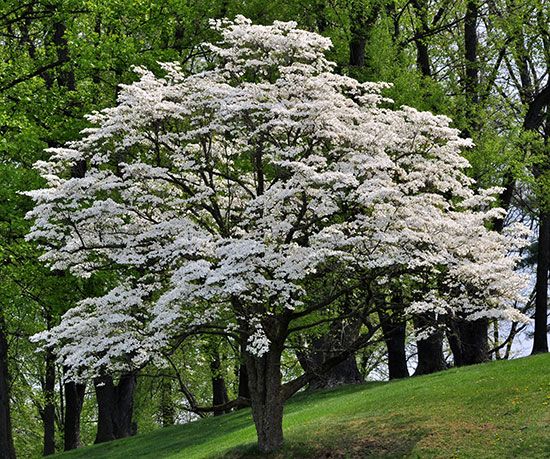
The genus Cornus, commonly known as dogwood, comprises a diverse group of shrubs, trees, and herbs within the family Cornaceae. While the provided information identifies the genus and its characteristics, it does not specify an exact count of the total number of species currently recognized within Cornus.12
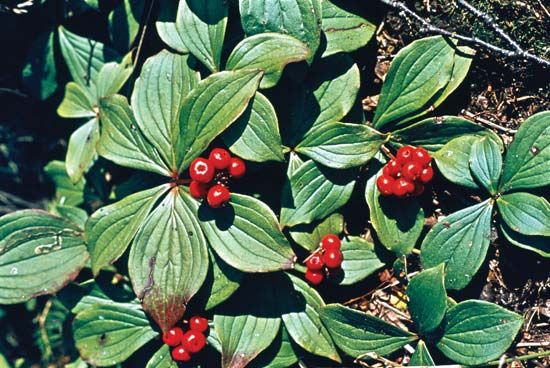
These plants are native to regions across North America, Europe, and eastern Asia. They are widely appreciated for their ornamental value, often cultivated for their showy, petal-like bracts, colorful twigs, and variegated leaves. Some notable examples include the flowering dogwood of North America, the bunchberry, and the European cornelian cherry.12
What are some common diseases or pests that affect dogwood plants?
Dogwood plants are susceptible to several diseases and pests that can impact their health and appearance.
Diseases
- Dogwood Anthracnose: This is a significant fungal disease caused by Discula destructiva. Unlike many other forms of anthracnose that prefer warm, humid conditions, this specific blight thrives in cool climates. It has caused severe damage to natural dogwood populations in North America, particularly in the eastern United States and the Pacific Northwest, by infecting leaves, shoots, and branches.31
- Powdery Mildew: This widespread plant disease manifests as a white, powdery growth on leaves, buds, and shoots. It is caused by various fungi and is most severe in crowded, poorly aerated, or shady locations. Severe infections can lead to stunted growth, distorted leaves, and reduced flowering.4
Pests
- Dogwood Borer: This pest is the larva of a clearwing moth (Thamnosphecia scitula). It is known for tunneling into the cambium layer of flowering dogwood trees, which can compromise the plant’s structural integrity and health.5
Management strategies for these issues include planting disease-resistant varieties, improving air circulation, removing and destroying infected plant parts, and using appropriate fungicides or organic treatments.34
What are the different types of flowers that dogwood plants produce?
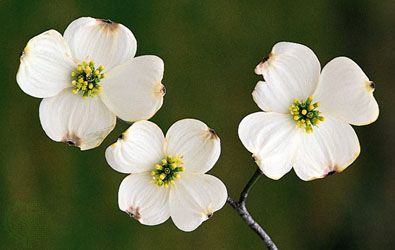
The true flowers produced by dogwood plants (genus Cornus) are generally small and inconspicuous. Structurally, these flowers consist of four petals and four sepals.1
In many dogwood species, these small, true flowers are surrounded by four large, showy, petal-like structures known as bracts. While these bracts are often mistaken for the petals of the flower, they are actually modified leaves that serve to attract pollinators to the tiny flowers clustered beneath them. This arrangement is particularly prominent in well-known ornamental varieties such as the flowering dogwood (C. florida), which is prized for these colorful, leaf-like displays.16
How can dogwood plants be propagated, and what are the best methods?
Dogwood plants can be propagated through both sexual and asexual methods, depending on whether you wish to grow them from seed or clone a specific plant to maintain its desired traits.
Sexual Propagation
Growing dogwoods from seed is often the most cost-effective method. Because seeds require high oxygen levels for germination, they should be sown in a porous medium, such as a mix containing sand, rather than standard garden soil. It is important to monitor moisture levels closely, as these porous media dry out quickly. To prevent fungal issues, it is recommended to use sterilized soil or treat seeds with disinfectants before planting.8
Asexual Propagation
If you want to ensure the offspring retain the specific characteristics of a parent plant, asexual propagation is preferred. Common methods include:
- Cuttings: Stem cuttings can be rooted in water or a moist medium like sand, peat moss, or vermiculite.
- Layering: A stem is notched and covered with moist soil or moss until roots develop, at which point it can be separated.
- Grafting: A twig or bud is attached to the root system of another plant.
Growth hormones, known as auxins, are often applied to stimulate root development in these methods.8
Sources
- dogwood — Encyclopædia Britannica
- dogwood — Merriam-Webster
- Anthracnose — Encyclopædia Britannica
- dogwood borer — Merriam-Webster
- Powdery mildew — Encyclopædia Britannica
- Bract — Encyclopædia Britannica
- Angiosperm - General features — Encyclopædia Britannica
- Propagation — Encyclopædia Britannica
Published on · 3 min read