Durance
The Durance River has been a vital source of water for Marseille for nearly two centuries, effectively resolving the city's historical water shortages.
How does the Durance River contribute to the water supply of Marseille?
The Durance River has been a vital source of water for Marseille for nearly two centuries, effectively resolving the city’s historical water shortages.1
Between 1837 and 1848, a major engineering project was completed to divert water from the river to the city. This infrastructure included a distribution reservoir that was architecturally disguised as the Longchamp Palace, a landmark that still stands today.1
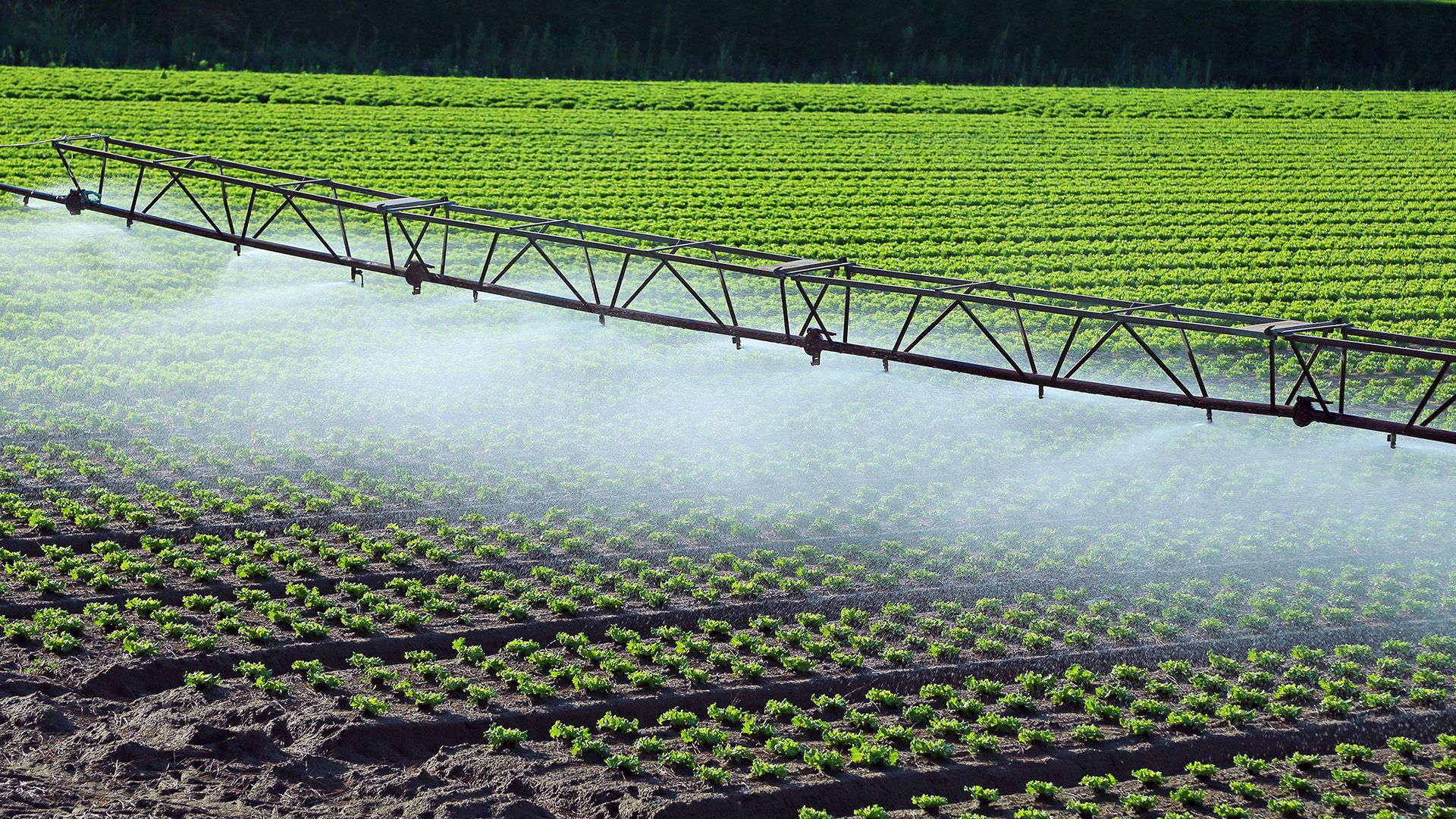
In the modern era, the Canal de Provence continues to tap the unpolluted waters of the Durance to supply drinking water to Marseille, Aix-en-Provence, Toulon, and the surrounding coast. This reliable water supply has been an essential factor in supporting the region’s urban and industrial expansion. Additionally, since World War II, the lower Durance has been further developed with extensive dams and projects to manage irrigation and hydroelectric power.23
How does the Durance River’s water quality compare to other major rivers in France?
The provided search results do not contain specific comparative data regarding the water quality of the Durance River versus other major rivers in France.
While the available information notes that the Canal de Provence utilizes the Durance for its “unpolluted waters” to supply drinking water to cities like Marseille and Aix-en-Provence, it does not provide a quantitative or qualitative comparison against other French river systems. Furthermore, water quality is generally assessed based on specific intended uses—such as drinking, swimming, or industrial cooling—and is regulated under the European Union’s legal frameworks, such as the Water Framework Directive.14
What are some of the major cities or towns located along the Durance River?
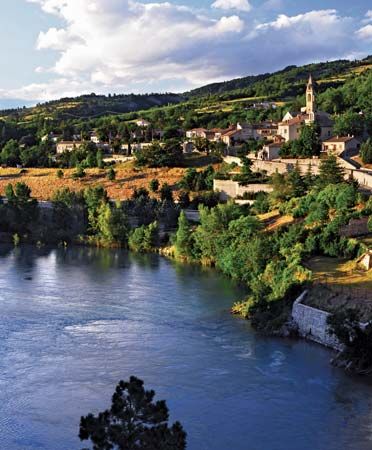
The Durance River flows through several notable cities and towns as it travels from the French Alps toward the Rhône River. Key locations along or near its course include:
- Briançon: Located in the Hautes-Alpes department, this city sits at the confluence of the Durance and Guisane rivers. It is historically significant for its 17th-century fortifications and its role as a mountain crossing point.15
- Embrun: Situated along the river’s path, this town is located near the Serre-Ponçon Dam, which created a large artificial lake in the surrounding valley.1
- Sisteron: Located in the Alpes-de-Haute-Provence department, this town is situated near the river, which is dammed again in the vicinity.1
- Manosque: This town is situated near the confluence where the Verdon River joins the Durance.6
- Avignon: While the Durance joins the Rhône below this city, Avignon serves as a major landmark near the river’s final confluence.1
Additionally, towns like Digne-les-Bains are located along tributaries of the Durance, such as the Bléone River, and are integral to the region’s geography.17
What is the geographical location and length of the Durance River in France?
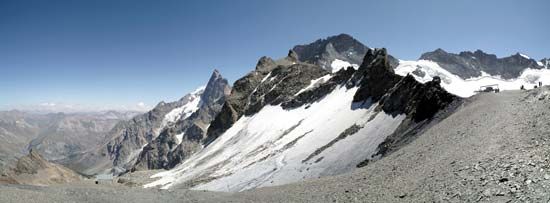
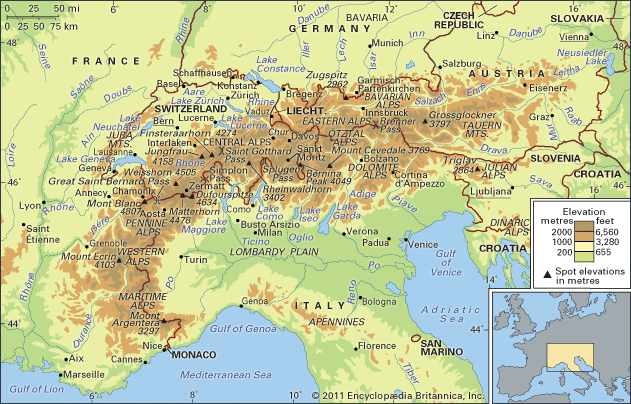
The Durance River is the principal river draining the French side of the Alps toward the Mediterranean Sea. It originates in the Montgenèvre region of the Hautes-Alpes département and flows for 189 miles (304 km) before reaching its confluence with the Rhône River just below Avignon.1
Throughout its course, the river traverses several départements, including the Alpes-de-Haute-Provence, and eventually forms the border between the Bouches-du-Rhône and Vaucluse départements as it turns west toward the Rhône. Along its journey, the river is characterized by its transition from a mountain torrent to a regulated waterway, significantly altered by major infrastructure such as the Serre-Ponçon Dam and various hydroelectric projects developed after World War II.1
Sources
- Durance — Encyclopædia Britannica
- Marseille - Era of expansion — Encyclopædia Britannica
- France - The Rhône system — Encyclopædia Britannica
- water pollution - Water quality standards — Encyclopædia Britannica
- Briançon — Encyclopædia Britannica
- Verdon River — Encyclopædia Britannica
- Digne-les-Bains — Encyclopædia Britannica
Published on · 3 min read