Ecotone
An ecotone is a transitional zone of vegetation occurring between two distinct biological communities, such as a forest and a grassland. Unlike the…
What is an ecotone, and how does it differ from other ecological zones?
An ecotone is a transitional zone of vegetation occurring between two distinct biological communities, such as a forest and a grassland. Unlike the relatively uniform interior of a single ecological community, an ecotone acts as a junction where two landscapes blend.12
These areas are defined by several unique characteristics:
- Species Diversity: Ecotones often exhibit a higher population density and a greater number of species than the flanking communities, as they host species from both bordering areas alongside those specifically adapted to the transition zone.12
- Edge Effect: The influence of the two bordering communities on each other is known as the edge effect, which describes the distinct changes in the number and variety of organisms found in these marginal habitats.132
- Functionality: Some organisms rely on these zones for essential activities like courtship, nesting, or foraging.1
What methods do ecologists use to study and monitor ecotones?
Ecologists study and monitor ecotones by analyzing the patch dynamics of ecosystems, which are shaped by the varying sizes, frequencies, and intensities of environmental disturbances. By observing these junction zones, researchers can assess the edge effect—a phenomenon where the density of organisms and the number of species are often higher than in the surrounding, more uniform communities.14
Monitoring efforts often focus on the interactions between species within these transitional areas. For example, ecologists track the behavior of specific species, such as the brown-headed cowbird, to understand how the expansion of ecotones—often caused by the cutting of mature forests—affects parasitism rates and the survival of interior-dwelling species. By comparing these transitional zones to the interior of mature forests or grasslands, scientists can quantify how habitat fragmentation alters local biodiversity and ecological health.14
How do species adapt to living in ecotones?
Species adapt to living in ecotones by utilizing the unique resources available at the junction of two distinct biological communities. Because these transitional zones blend characteristics of neighboring habitats, they often host a mix of species from both areas alongside specialized organisms that have evolved specifically to thrive in these marginal environments.15
Adaptations in these zones are driven by the edge effect, which creates a high-density environment where resources for courtship, nesting, and foraging are often more accessible. However, these areas also present specific challenges. For instance, some species, such as the brown-headed cowbird, have adapted to exploit the proximity of different habitats to engage in parasitism, targeting the nests of birds that reside in these transitional patches.15
Ultimately, organisms in ecotones must balance the benefits of increased resource availability with the pressures of higher competition and exposure to different ecological stressors. When environmental conditions shift, species may rely on physiological responses or mobility to maintain their survival within these dynamic boundaries.4
How do ecotones contribute to biodiversity in an ecosystem?
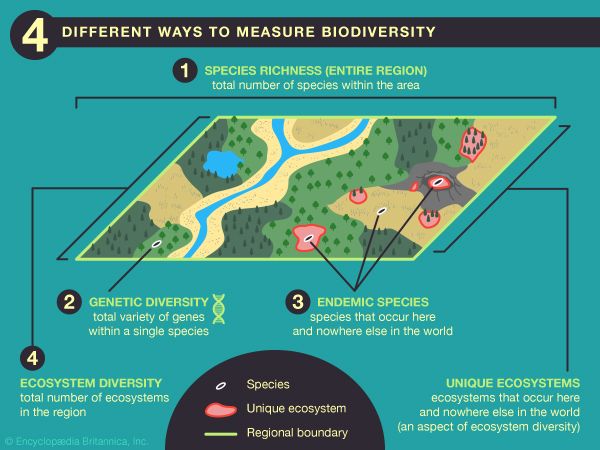
Ecotones significantly enhance biodiversity by acting as dynamic transition zones between distinct ecological communities. These areas, which can range from small pockets to broad belts, foster high species richness through several key mechanisms:
- The Edge Effect: This phenomenon occurs where the influence of two overlapping communities creates a unique environment. Ecotones often exhibit a greater number of species and higher population density than either of the flanking communities alone.16
- Resource Diversity: Because they blend characteristics of neighboring habitats, ecotones provide a diverse array of resources. Many organisms rely on these zones specifically for courtship, nesting, and foraging.1
- Unique Species Composition: These zones host a mix of species from both bordering communities, alongside specialized organisms that have adapted specifically to the conditions of the transition zone.16
- Refugia: In the case of wetlands, which serve as ecotones between terrestrial and aquatic systems, these areas provide critical habitat that can act as a final refuge for rare or endangered species.3
Sources
- ecotone — Encyclopædia Britannica
- Did you know? — Merriam-Webster
- edge effect — Merriam-Webster
- community ecology - Ecotones — Encyclopædia Britannica
- biogeographic region - Species adaptations to ecological habitats — Encyclopædia Britannica
- Wetland - Wetland functions and ecosystem benefits — Encyclopædia Britannica
Published on · 3 min read