Elephant
Elephants exhibit significant differences in longevity depending on their environment. In the wild, elephants can typically live up to 60 or 70 years, though…
What is the typical lifespan of an elephant in the wild versus in captivity?
Elephants exhibit significant differences in longevity depending on their environment. In the wild, elephants can typically live up to 60 or 70 years, though their survival is influenced by factors such as food and water availability, predation, and human activities like poaching and habitat destruction.123
While some reports suggest that elephants can live to 80 years or more in captivity, research indicates that captive environments often shorten their lifespans and induce stress. For example, studies on captive female Asian elephants have shown median life expectancies ranging from approximately 35.9 years in North America to 41.9 years in Europe, with average lifespan estimates using survival analysis reaching 44.8 and 47.6 years, respectively.12
What are the different species of elephants and where are they found in the wild?
There are three recognized living species of elephants, all belonging to the family Elephantidae. While they share many characteristics, they are distinct in their physical traits and geographic ranges.56
The Three Elephant Species
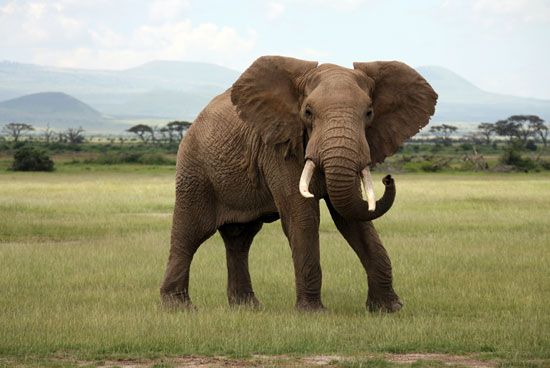
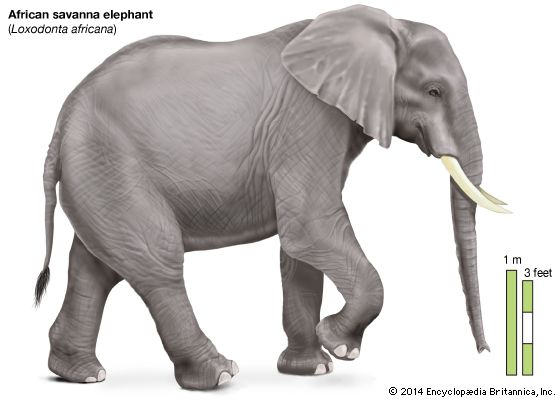
- African bush elephant (Loxodonta africana): Also known as the African savanna elephant, this is the largest of the three species. They are found across various habitats in Africa, including savannas and grasslands.56
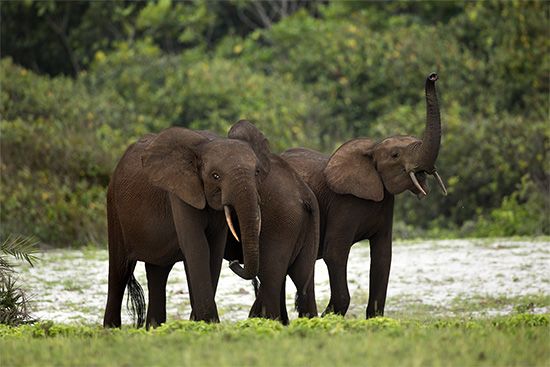
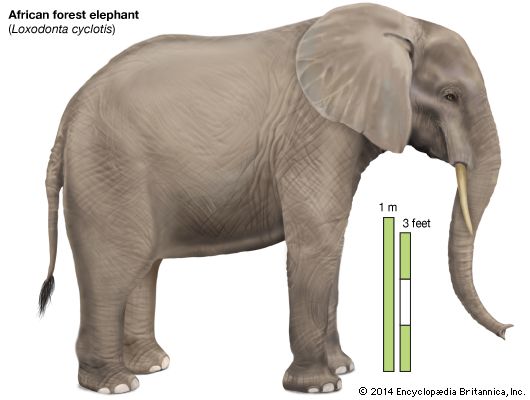
- African forest elephant (Loxodonta cyclotis): Recognized as a separate species in the early 21st century, these elephants are smaller than their savanna counterparts. They inhabit tropical forests ranging from Senegal in the west to the Democratic Republic of the Congo in the east.53
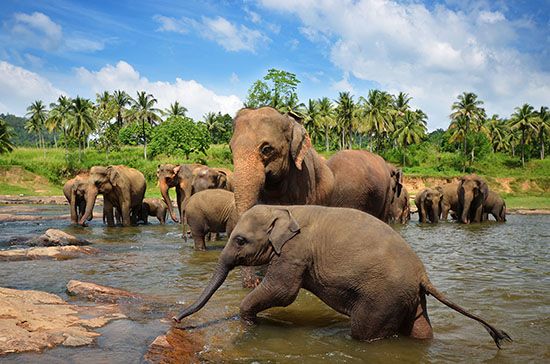
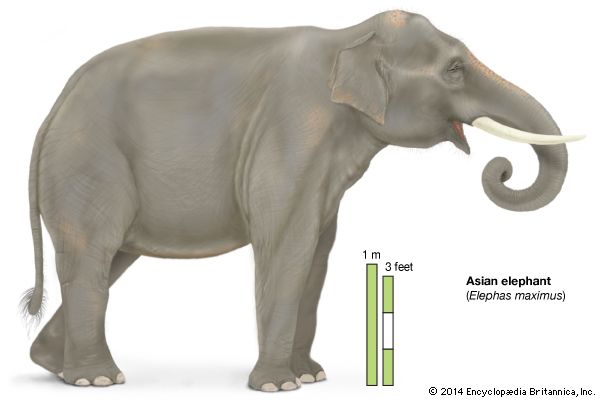
- Asian elephant (Elephas maximus): Found across the continent of Asia, these elephants reside primarily in India, Sri Lanka, Myanmar, Thailand, Indonesia, and Malaysia, with smaller populations in several other neighboring countries.4
All three species are currently threatened by habitat loss and poaching, and it is a moral imperative that we support global conservation efforts to protect these intelligent, social animals from extinction.43
What is the gestation period for elephants, and how do they care for their young?
Elephants have the longest gestation period of any mammal, lasting between 18 and 22 months.27
Upon birth, a calf stands about one meter tall and weighs approximately 100 kg. The newborn suckles from mammary glands located in the mother’s chest using its mouth rather than its trunk. Caring for the young is a communal effort; while the mother is the primary caregiver, other female elephants in the herd often assist in raising the calf.27
Weaning is a gradual process that can continue for a significant time, sometimes ending only when the mother can no longer tolerate the discomfort caused by the calf’s emerging tusks. Female elephants remain with their natal herd for their entire lives, benefiting from the guidance and experience of the matriarch, who leads the group in finding food and water. This social structure is vital for the survival and development of the young.27
How do elephants’ trunks function, and what tasks can they perform with them?
The elephant trunk, or proboscis, is a highly specialized organ formed by the fusion of the upper lip and nose. It contains nearly 150,000 muscle fascicles, providing the strength to lift 250 kg and the dexterity to perform delicate tasks.9
Function and Capabilities
The trunk serves as a multifunctional tool for survival:
- Manipulation: Using flaplike projections at the tip, elephants can grasp objects with precision. African elephants use a “pinch” method, while Asian elephants typically use a “grasp”.109
- Feeding and Hydration: Elephants use their trunks to detach vegetation and place it in their mouths. They also suck up to 10 liters of water at a time to squirt into their mouths for drinking.109
- Sensory and Communication: The trunk acts as an “olfactory periscope” to sniff for danger. It is also used for social interaction, such as “trunk-shaking” to greet others, and to produce various vocalizations.109
- Protection: Elephants spray water, mud, or dust onto their bodies to protect against the sun and insects.109
- Tactile Feedback: Specialized whiskers on the trunk provide sensory data, helping the elephant determine an object’s location and the pressure needed to handle it without damage.9
Sources
- How long do elephants live? — Encyclopædia Britannica
- elephant - Reproduction and life cycle — Encyclopædia Britannica
- Asian elephant — Encyclopædia Britannica
- African forest elephant — Encyclopædia Britannica
- elephant — Encyclopædia Britannica
- What’s the Difference Between Asian and African Elephants? — Encyclopædia Britannica
- What is a female elephant called? — Encyclopædia Britannica
- perissodactyl - Relations between parent and offspring — Encyclopædia Britannica
- What are elephant trunks used for? — Encyclopædia Britannica
- elephant - The trunk (proboscis) — Encyclopædia Britannica
Published on · 3 min read