Cow
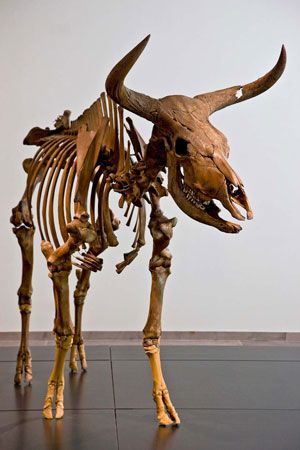
Cows were first domesticated between 8,000 and 10,000 years ago from the aurochs, a wild species of cattle native to Eurasia. Genetic evidence indicates two…
How have cows been domesticated and used by humans throughout history?
Cows were first domesticated between 8,000 and 10,000 years ago from the aurochs, a wild species of cattle native to Eurasia. Genetic evidence indicates two independent domestication events: one resulting in the zebu (humped cattle) of eastern Asia and another in the humpless cattle of western Eurasia.1
Historically, cows were utilized as “all-purpose” animals for meat, milk, and as draft animals to assist in agriculture. Over time, selective breeding led to specialized varieties, such as dairy cattle bred for high milk yields and beef cattle bred for muscle production. Beyond food, cows have provided leather and served as measures of wealth. In some cultures, they hold deep religious significance, such as in Hinduism, where they are venerated as symbols of divine beneficence and nonviolence.123
While modern industrial practices often rely on artificial insemination and mechanized milking, the historical relationship between humans and cattle has been foundational to the development of agricultural societies.14
What are the different breeds of cows and their primary purposes?
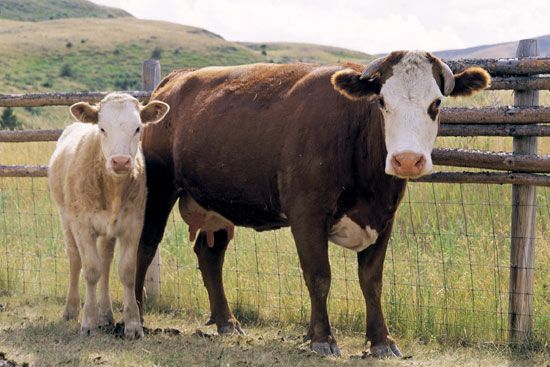
Modern cattle breeds are primarily categorized by their intended purpose—dairy, beef, or dual-purpose—developed through centuries of selective breeding to optimize specific traits like milk yield, muscle mass, and environmental hardiness.67
Dairy Cattle
Dairy breeds are selected for high milk and butterfat production. Major breeds include:6
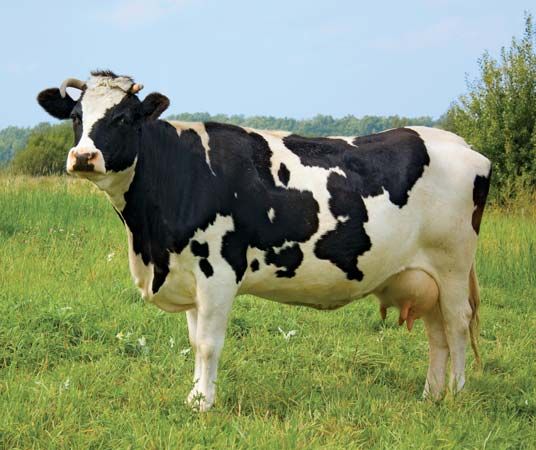
- Holstein-Friesian: Known for large milk production; black and white.6
- Jersey: A docile, efficient breed that produces high-quality milk.6
- Guernsey: Fawn-colored, noted for excellent milk production.6
- Ayrshire & Brown Swiss: Both are recognized for their hardy nature.6
Beef Cattle
Beef breeds are developed for meat production, focusing on conformation, growth rate, and adaptability. Notable examples include:7
- Angus: A popular, hornless, and climate-adaptable breed.87
- Hereford: A compact, red-and-white breed widely used in beef production.87
- Charolais: A large, white French breed frequently used for crossbreeding.87
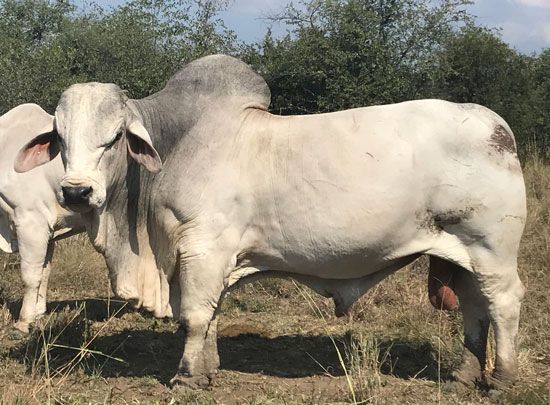
- Brahman (Zebu): Distinguished by a shoulder hump; often used in crossbreeding for its hardiness.87
- Chianina: Recognized as the largest cattle breed.87
Some breeds, such as the Milking Shorthorn and Normande, are considered dual-purpose, providing both milk and meat.68
How do cows’ digestive systems work, particularly their multiple stomachs?
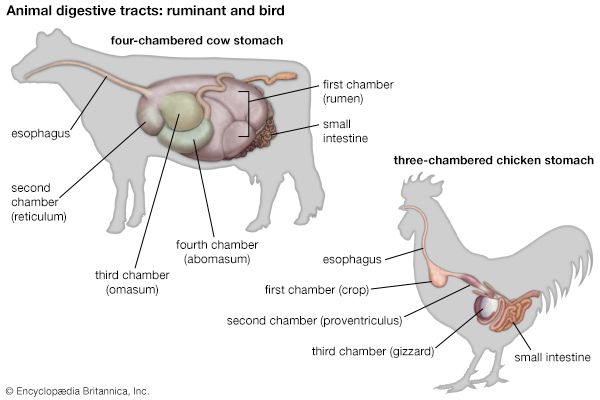
Contrary to the common misconception that cows have four separate stomachs, they possess a single stomach divided into four distinct compartments: the rumen, reticulum, omasum, and abomasum. This specialized system allows ruminants to digest fibrous plant material, such as cellulose, which most other mammals cannot break down.910
- Rumen: The largest chamber, acting as a fermentation vat where microbes break down cellulose into fatty acids for energy.911
- Reticulum: Works with the rumen to mix food and trap foreign objects.9
- Omasum: Contains folds of tissue that absorb water and additional nutrients.911
- Abomasum: Known as the “true stomach,” it functions similarly to a human stomach by using acid and enzymes to digest proteins.911
Cows facilitate this process through rumination, or “chewing the cud,” where they regurgitate and rechew partially digested food to further break down its structure before it passes through the remaining compartments.91011
How has selective breeding affected the evolution of cows over time?
Selective breeding has served as a primary driver of evolution in cattle, fundamentally altering their genetic makeup to prioritize traits that are economically or aesthetically valuable to humans rather than those that would naturally benefit the animals in the wild. By consistently mating individuals with desired characteristics, breeders have shifted gene frequencies over generations to create the specialized breeds we recognize today.1314
Mechanisms of Change
The process relies on the principle of “like begets like,” where breeders isolate and propagate specific genotypes. Historically, this was a slow, observational process, but it has been accelerated by modern scientific advancements:131415
- Genetic Selection: Breeders evaluate traits such as milk volume, growth rate, and conformation to identify superior sires and dams.161718
- Reproductive Technology: Techniques like artificial insemination allow a single bull to sire tens of thousands of offspring, rapidly spreading desirable genes across a population.1719
- Genomic Testing: Modern breeders use DNA analysis to estimate an animal’s genetic potential before it even reaches maturity, significantly increasing the speed and accuracy of selection.17
Evolutionary Impact
These interventions have led to dramatic physiological changes. For instance, modern Holstein-Friesian cows produce significantly more milk than their ancestors, a result of intense, systematic selection. Similarly, beef breeds have been modified for specific environments—such as the Brahman for heat tolerance—or for physical traits like hornlessness in Polled Hereford and Polled Shorthorn cattle.16171518
While these practices have successfully optimized cattle for human needs, they have also raised ethical questions regarding intensive animal farming and the potential for reduced genetic diversity, which can sometimes lead to increased health risks.1314
Sources
- Cow - Domestication and economic production — Encyclopædia Britannica
- sanctity of the cow — Encyclopædia Britannica
- Domestication - Domestication of animals — Encyclopædia Britannica
- Origins of agriculture - The Nile valley — Encyclopædia Britannica
- the Steppe - Critical developments — Encyclopædia Britannica
- Dairy cattle breeds — Encyclopædia Britannica
- Cow - Beef cattle breeds — Encyclopædia Britannica
- Beef cattle breeds — Encyclopædia Britannica
- How many stomachs does a cow have? — Encyclopædia Britannica
- Did you know? — Merriam-Webster
- ruminant — Encyclopædia Britannica
- artiodactyl - Digestive system — Encyclopædia Britannica
- Are all dairy cattle female? — Encyclopædia Britannica
- selective breeding — Encyclopædia Britannica
- Livestock farming - Beef cattle breeds — Encyclopædia Britannica
- Why are Holstein cows so popular? — Encyclopædia Britannica
- Origins of agriculture - Beef cattle — Encyclopædia Britannica
- Cattle — Encyclopædia Britannica
- Animal breeding - Accuracy of selection — Encyclopædia Britannica
Published on · 4 min read