Habitat Loss
Habitat loss is the reduction or elimination of the environment where a species or community of organisms lives and reproduces. While natural disturbances…
What is habitat loss?
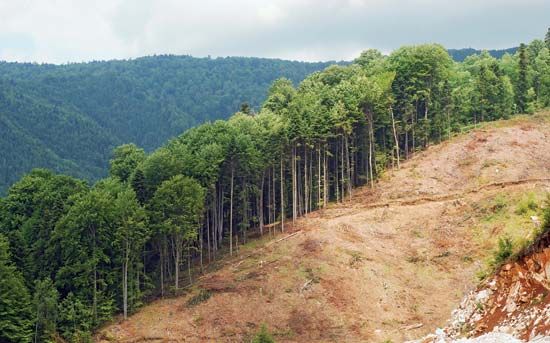
Habitat loss is the reduction or elimination of the environment where a species or community of organisms lives and reproduces. While natural disturbances like volcanic eruptions or floods can cause this, it is primarily driven by human activities such as deforestation, agriculture, and urban development. As the leading cause of global biodiversity decline, habitat loss threatens the survival of countless life forms.1
There are three primary types of habitat loss:
- Habitat destruction: The complete transformation of an ecosystem, such as clearing forests for livestock or crops, making it unable to support native species.1
- Habitat fragmentation: The subdivision of large habitats into smaller, disconnected patches. This isolates populations and hinders movement and reproduction.1
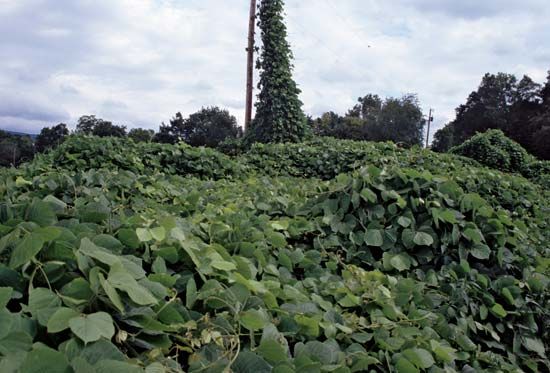
- Habitat degradation: The disruption of an ecosystem—often through pollution or invasive species—which increases the difficulty for native organisms to survive.1
Protecting these environments is essential for maintaining the health of our planet’s ecosystems.12
Why do habitats get destroyed or changed?
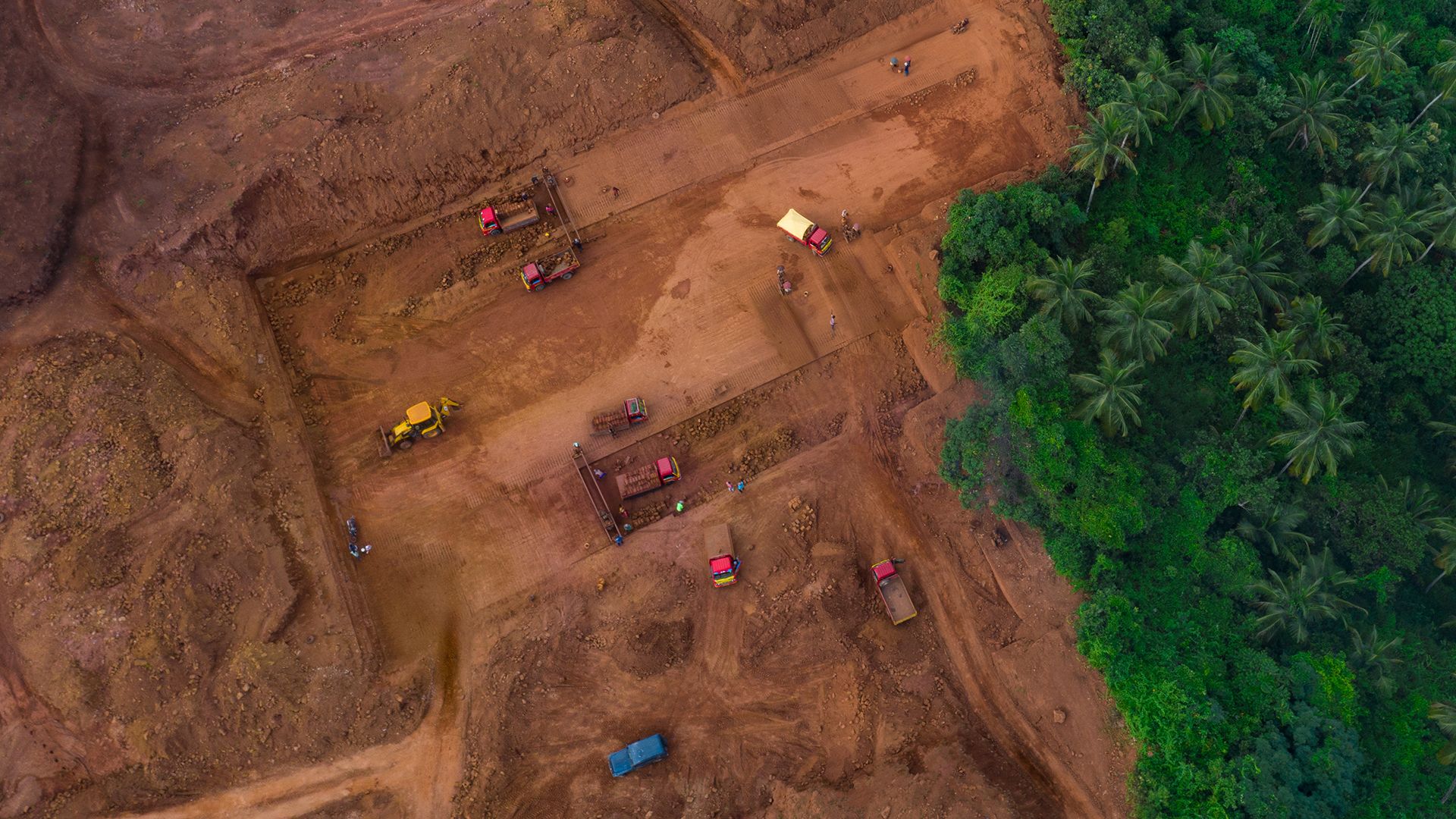
Habitats are destroyed or altered by both natural disturbances and, more significantly, human activities. While natural events like volcanic eruptions, floods, and landslides can cause change, human-driven impacts are generally more severe and long-lasting.34
The primary drivers of these changes include:
- Human Development: As the human population grows, there is an increasing demand for food, settlement, and wealth. This leads to the conversion of forests, wetlands, and grasslands into agricultural land, urban areas, and infrastructure like roads and buildings.354
- Resource Extraction: Activities such as deforestation, strip mining, and logging remove essential vegetation that provides food and shelter for native species.364
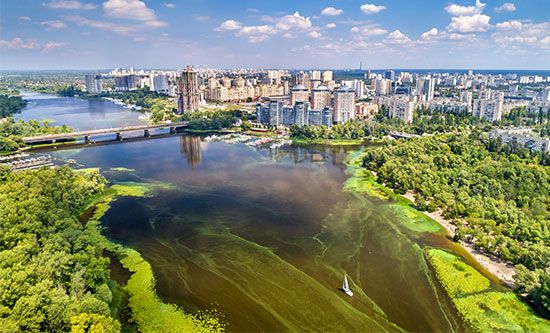
- Pollution: The introduction of substances or energy into the environment at rates faster than they can be processed causes habitat degradation, creating health problems for organisms and disrupting ecosystem balance.34
- Invasive Species: Non-native species, often introduced by human commerce or travel, can outcompete native species for resources or disrupt the ecosystem, leading to population declines.314
- Climate Change: The burning of fossil fuels alters temperature and precipitation patterns, forcing species to adapt to conditions that may fall outside their tolerance limits.3
These processes often interact, such as when habitat fragmentation creates “edges” that make it easier for invasive species to enter and further stress native populations.35
How does habitat loss affect animals and plants?
Habitat loss significantly impacts plants and animals by removing the essential resources—such as food, shelter, and space—required for their survival and reproduction. When an ecosystem is altered beyond a critical point, it can no longer support its native species, forcing them to either migrate or face the risk of extinction.1
The specific effects on organisms include:
- Increased Mortality and Isolation: Habitat fragmentation subdivides environments into disconnected patches. For mobile animals, this increases the risk of predation or being struck by vehicles while moving between areas. For immobile species like plants, or when patches are too far apart, fragmentation hinders reproduction by reducing the likelihood that individuals can meet.1
- Resource Competition: Habitat degradation often allows invasive species to thrive. These species may outcompete native plants and animals for food, water, and living space, or act as predators that drive native populations to decline.1
- Genetic Vulnerability: As populations shrink, the loss of genes and individuals increases the risk of inbreeding, which threatens the long-term viability of a species.8
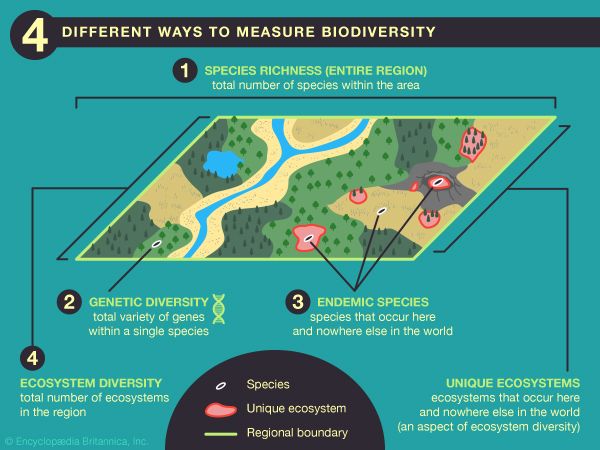
- Loss of Specialization: Specialist species, which are adapted to narrow environmental conditions, are particularly vulnerable to extinction when their habitats change. They are often replaced by generalist species, leading to a loss of ecosystem complexity and distinctiveness.8
What are some examples of habitat loss in different ecosystems?
Habitat loss occurs across diverse ecosystems, often driven by human development, resource extraction, and agricultural expansion. Here are examples of how this manifests in different environments:
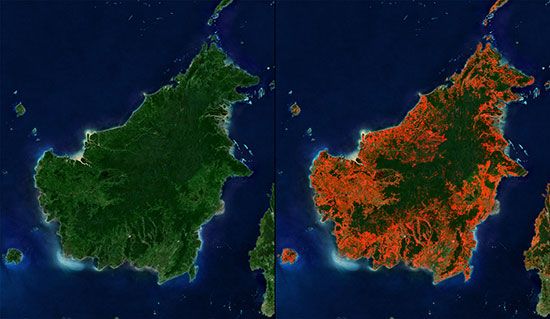
- Forests: Tropical forests, such as the Amazon Rainforest, face significant destruction through slash-and-burn agriculture, commercial logging, and land clearing for cattle ranches and oil palm plantations. This process often leaves behind fragmented “islands” of forest, threatening species like orangutans.1
- Wetlands: These areas are frequently drained or filled to accommodate urban growth and agricultural land. For example, more than half of the original wetlands in the lower 48 U.S. states have been lost to such conversions. Because wetlands serve as critical transition zones, their destruction eliminates essential habitats for waterfowl and other aquatic life.1213
- Grasslands: Large areas of natural grassland have been converted to cropland to grow grains. Additionally, overgrazing by livestock can degrade these ecosystems by compacting soil and allowing inedible species, such as mesquite, to displace native grasses.1415
- Marine Ecosystems: Coral reefs face habitat loss through coral bleaching, often triggered by rising seawater temperatures and pollution. As the foundation of these ecosystems dies, the reef can no longer support the diverse marine life that depends on it.16
- Urban Environments: Urbanization converts forests and wetlands into residential and commercial areas, creating fragmented landscapes that often favor generalist species over specialists.17
We could dive deeper into how specific restoration projects are attempting to reverse these trends in different regions.
Sources
- habitat loss — Encyclopædia Britannica
- conservation - The loss of ecosystems — Encyclopædia Britannica
- biodiversity loss - Human-driven biodiversity loss — Encyclopædia Britannica
- invasive species — Encyclopædia Britannica
- Deforestation - Effects — Encyclopædia Britannica
- Urban ecosystem - The structure of urban ecosystems — Encyclopædia Britannica
- desertification - Causes and consequences of desertification — Encyclopædia Britannica
- conservation - Terrestrial hot spots — Encyclopædia Britannica
- biogeographic region - Species adaptations to ecological habitats — Encyclopædia Britannica
- ecological disturbance - Management implications — Encyclopædia Britannica
- biodiversity loss - Ecological effects — Encyclopædia Britannica
- Coral bleaching — Encyclopædia Britannica
- Deforestation - Modern deforestation — Encyclopædia Britannica
- Urban ecosystem: Top Questions — Encyclopædia Britannica
- Wetland - Wetland management — Encyclopædia Britannica
- Wetland - Wetland functions and ecosystem benefits — Encyclopædia Britannica
- Grassland - Biological productivity — Encyclopædia Britannica
- forestry - Urban forestry — Encyclopædia Britannica
- desertification - Grazing lands — Encyclopædia Britannica
Published on · 4 min read