Elf Owl
The elf owl (Micrathene whitneyi) is the world's smallest owl, roughly the size of a sparrow. A member of the family Strigidae, this tiny bird of prey is…
What is Elf owl?
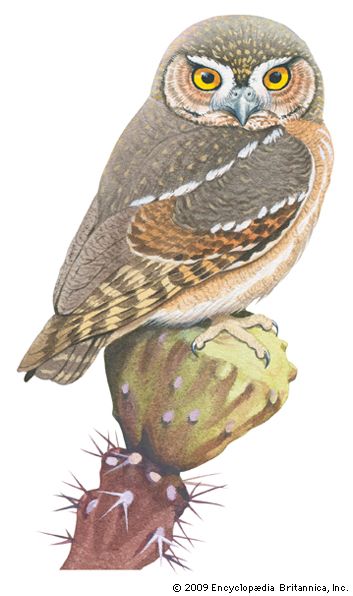
The elf owl (Micrathene whitneyi) is the world’s smallest owl, roughly the size of a sparrow. A member of the family Strigidae, this tiny bird of prey is native to Mexico and the southwestern United States.12
Physically, the elf owl is characterized by a large, round head in proportion to its body and prominent yellow eyes. They typically inhabit cactus deserts, dry grasslands, and forested areas, where they nest in natural cavities found in trees or saguaro cacti.12
As insectivores, these owls have developed specialized hunting behaviors. They are known to hover near blossoms, using their wings to startle insects into flight before capturing them with their beaks. Like other owls, they consume their prey whole and later regurgitate indigestible materials in the form of pellets.3
How do elf owls survive in the desert without drinking much water?
The provided search results do not contain information regarding how elf owls manage their water intake or survive in arid desert environments without drinking significant amounts of water. While the sources confirm that elf owls inhabit cactus deserts and hunt insects at night, they do not detail the physiological or behavioral adaptations related to their hydration needs.13
What other animals share nesting holes in saguaro cacti?
In the desert, saguaro cacti serve as vital habitats for various species. The nesting holes found in these cacti are primarily excavated by Gila woodpeckers and gilded flickers. Once these birds vacate the holes, they are utilized by a variety of other animals, including:4
- Small birds: Various species of wrens and small owls frequently occupy these cavities for nesting and roosting. owls frequently occupy these cavities for nesting and roosting.45
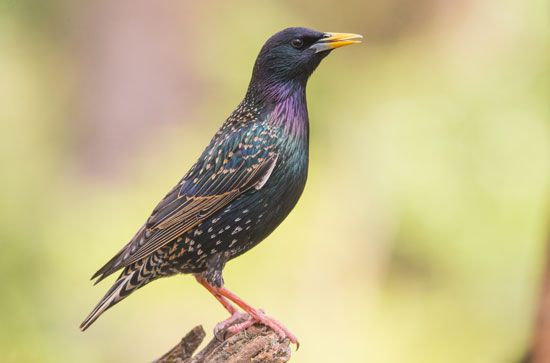
- Invasive species: The European starling is known to aggressively compete for and occupy these nesting sites, often displacing native species.5
Because these nesting sites are limited in number, there is often intense competition among desert birds to secure them. The excavation of these holes by woodpeckers is a critical ecological service, as it provides essential shelter for many other creatures that are unable to create their own cavities.56
How does the elf owl’s size compare to other small owl species?
The elf owl (Micrathene whitneyi) holds the distinction of being the smallest owl in the world. While it is often compared to other small species, its size is notably diminutive, typically described as being about the size of a sparrow.1
In contrast, other small owls, such as the pygmy owl, are generally larger. Pygmy owls reach lengths of approximately 20 cm (8 inches). While both species are members of the family Strigidae and share certain dietary habits—such as consuming insects—the elf owl’s status as the smallest member of its order sets it apart from these other small raptors.81
Sources
- Elf owl — Encyclopædia Britannica
- elf owl — Merriam-Webster
- Owl - Ecology — Encyclopædia Britannica
- Saguaro National Park — Encyclopædia Britannica
- saguaro — Encyclopædia Britannica
- Owl - Reproduction and development — Encyclopædia Britannica
- Piciform - Importance to humans — Encyclopædia Britannica
- Pygmy owl — Encyclopædia Britannica
Published on · 2 min read