Elopiform
Elopiforms (order Elopiformes) are a group of archaic, coastal bony fishes that include tarpons and ladyfishes. As members of the superorder Elopomorpha…
What are the main characteristics of elopiform fish?
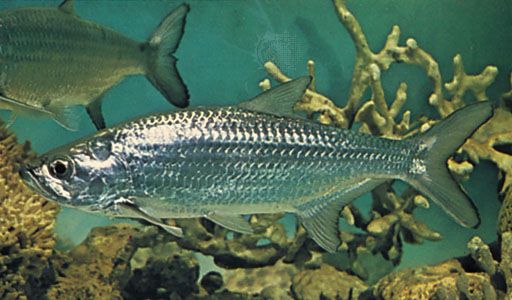
Elopiforms (order Elopiformes) are a group of archaic, coastal bony fishes that include tarpons and ladyfishes. As members of the superorder Elopomorpha, they are considered among the most primitive teleosts.1
Key Characteristics
- Larval Stage: Like other elopomorphs, they possess a ribbonlike, translucent, pelagic larva known as a leptocephalus. This larva undergoes a dramatic metamorphosis, shrinking in size before the fish migrates into brackish or fresh water.1
- Air Breathing: Elopiforms have an open duct to the swim bladder, allowing them to gulp air at the surface. This is particularly vital for tarpons, which are obligate air breathers and possess a lunglike, highly vascularized swim bladder to survive in oxygen-poor environments.1
- Physical Features: They typically feature numerous branchiostegal rays (usually more than 15) and a large gular plate between the lower jaws. Tarpons are known for their large scales and ability to leap, while ladyfishes are generally smaller and more generalized in form.1
- Habitat: While primarily coastal, adults frequently enter brackish or fresh water.1
How do elopiform fish fit into the marine food web?
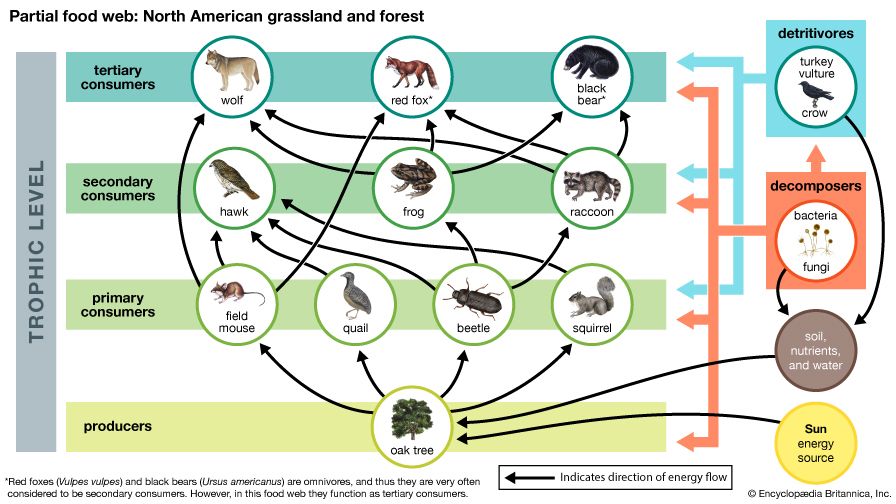
Elopiforms, which include tarpons and ladyfishes, function as significant predators within coastal marine food webs. Their role changes as they progress through their life cycle:1
- Juvenile Stage: After migrating into brackish pools or creeks, juvenile elopiforms occupy a lower trophic level, feeding on small crustaceans, insect larvae, and other small animals.1
- Adult Stage: As they mature and move back to the sea, they transition into typical coastal predators, feeding primarily on other fishes. Due to their size—with some species reaching up to 2.5 meters—adults serve as apex or near-apex predators in their immediate coastal environments.1
- Reproductive Contribution: Elopiforms are prolific breeders; a single large Atlantic tarpon can produce over 12 million eggs. This high reproductive output contributes a substantial biomass of eggs and larvae to the coastal ecosystem, serving as a potential food source for other marine organisms.1
What are some common examples of elopiform fish that people might recognize?
The order Elopiformes consists of archaic, ray-finned fishes primarily divided into two families: Megalopidae (tarpons) and Elopidae (ladyfishes). These are some of the most recognizable examples:
- Atlantic Tarpon (Megalops atlanticus): Often called the “silver king,” this is perhaps the most famous member of the order. It is a prized game fish known for its large, thick, silvery scales, its ability to leap out of the water, and its habit of gulping air at the surface. It can grow to lengths of 1.8 meters (6 feet) or more.31
- Pacific Tarpon (Megalops cyprinoides): Also known as the oxeye, this species is similar to the Atlantic tarpon but generally smaller, reaching about 1.5 meters (5 feet). It is of significant economic importance as a food source in Southeast Asia.31
- Ladyfish (Elops saurus): Also referred to as the tenpounder, this fish is more slender and pikelike than the tarpon. It is covered in fine silver scales and is often caught for sport. It typically reaches lengths of about 90 cm (35 inches).145
Where are elopiform fish typically found in the world’s oceans?
Elopiform fish, which include tarpons and ladyfishes, are primarily coastal inhabitants found in tropical and subtropical regions across the globe. Their distribution and habitat preferences include:3
- Global Range: These fish are circumtropical, meaning they are widely distributed throughout the warm waters of the Atlantic, Pacific, and Indian oceans.3
- Coastal and Inshore Waters: As typical predators of coastal environments, they are most commonly found inshore, where they spawn in shoal waters.13
- Versatile Habitats: While they are marine fish, adults are capable of entering brackish or fresh water. They are frequently found in rivers and stagnant pools, particularly during their postlarval and juvenile stages, where their ability to breathe air provides a significant survival advantage in low-oxygen environments.31
Sources
- elopiform — Encyclopædia Britannica
- eel - Form and function — Encyclopædia Britannica
- tarpon — Encyclopædia Britannica
- ladyfish — Encyclopædia Britannica
- ladyfish — Merriam-Webster
- protacanthopterygian - Annotated classification — Encyclopædia Britannica
Published on · 3 min read