Engadin
The Engadin valley is geographically and administratively divided at the Zernez Gorge into the Upper and Lower regions, each possessing distinct…
How do the Upper and Lower Engadin differ in terms of landscape and culture?
The Engadin valley is geographically and administratively divided at the Zernez Gorge into the Upper and Lower regions, each possessing distinct characteristics.1
Landscape and Economy
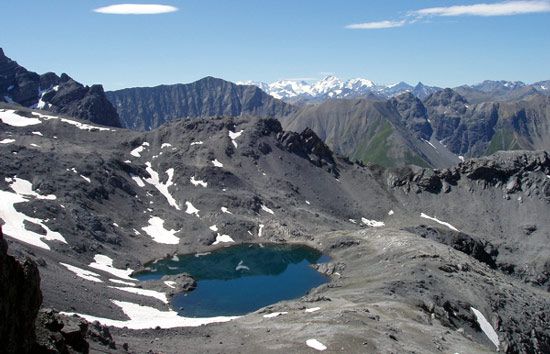
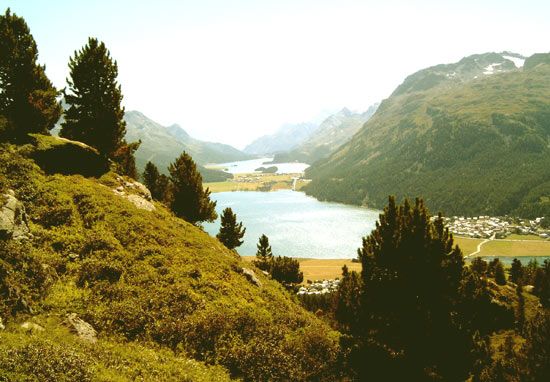
The Upper Engadin is defined by its high elevation, resulting in a stark landscape unsuitable for tillage. Its economy relies on hay meadows, pastures, and forests, and it has long been a fashionable destination for winter sports and health-focused tourism, notably in Sankt Moritz.1
In contrast, the Lower Engadin features more varied agricultural conditions where grain cultivation is possible. Its landscape is highlighted by significant waterpower reserves and the Swiss National Park, a major wildlife sanctuary.1
Cultural and Historical Context
While the population is primarily Protestant and Romansh-speaking, historical ties have created cultural pockets. For instance, Tarasp remained under Habsburg control until 1803, leading its inhabitants to adhere to Roman Catholicism. Similarly, proximity to the Tirol influenced Samnaun to adopt German speech and Catholicism, while the upper Spöl Valley is Italian-speaking.1
What are some of the unique flora and fauna found in the Engadin valley?
The Engadin valley, located in the Graubünden canton, hosts a diverse range of flora and fauna adapted to its high-altitude Alpine environment.
Flora
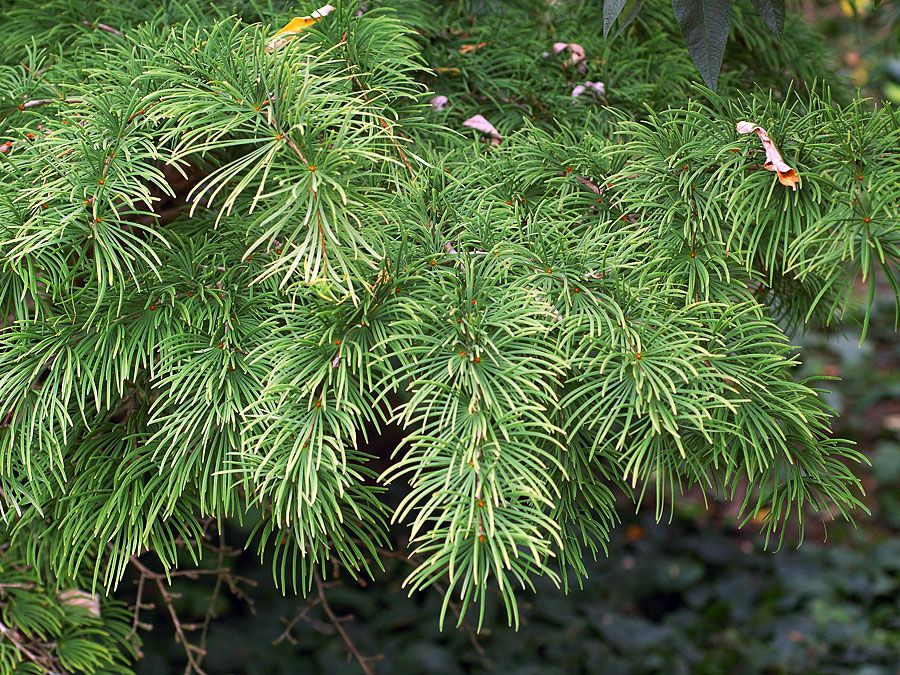
The valley’s vegetation is shaped by its elevation and continental climate. In the Upper Engadin, the landscape is characterized by forests of larch and fir, while the region is also noted for its rich and varied Alpine vegetation found above the tree line. Throughout the broader Alpine region, hardy species such as the Arolla pine thrive at high elevations, and lower slopes feature a mix of deciduous trees.231
Fauna
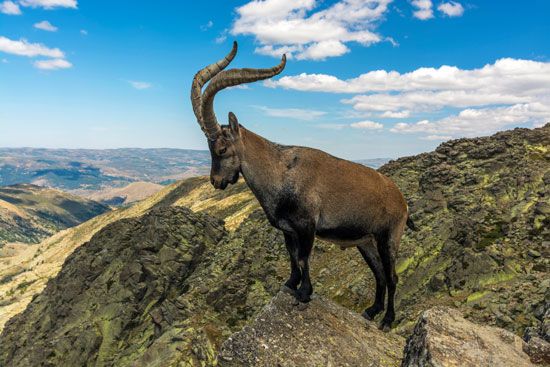
The valley is a significant habitat for wildlife, particularly within the Swiss National Park, where strict protections prohibit hunting and fishing. Notable animal species include:42
- Mammals: Ibex, chamois, red deer, marmots, foxes, and martens.14
- Birds: Eagles and various game birds.4
Conservation efforts have also successfully reintroduced species such as the brown bear and the bearded vulture (lammergeier) to the wider Alpine ranges.1
What are some of the famous literary or artistic works inspired by the Engadin valley?
The Engadin valley has served as a profound source of inspiration for various artists and thinkers, particularly due to its dramatic Alpine scenery and unique atmosphere.
Artistic Inspiration
The Italian painter Giovanni Segantini is perhaps the most notable artist associated with the region. After settling in the Engadin in 1894, he spent his final years there, creating works that blended Symbolist themes with Neo-Impressionist techniques. His deep connection to the mountain environment is reflected in his evocative landscapes and his final, unfinished triptych, Life, Nature, and Death, which is currently housed in the Segantini Museum in Sankt Moritz.5
Literary Connections
The region also holds significance in literary history, most notably through the philosopher Friedrich Nietzsche. The village of Sils-Maria, located in the Upper Engadin, is home to a house dedicated to the philosopher, who found the area to be a place of great intellectual stimulation.1
What are the main languages spoken in the Engadin, and how has this affected the local culture?
The primary language of the Engadin valley is Romansh, specifically the Engadine dialect, which is a member of the Rhaeto-Romance group. While the population is primarily Protestant and Romansh-speaking, the linguistic landscape is diverse due to historical and geographical factors.17
Linguistic Diversity and Cultural Impact
- German and Italian Influence: In certain areas, proximity to neighboring regions has led to the adoption of other languages. For instance, Samnaun adopted German due to its easier communication links with the Tirol, while the upper Spöl Valley (Livigno) is Italian-speaking.1
- Religious and Historical Ties: Language and religion have historically been intertwined. The village of Tarasp, which remained under Habsburg control until 1803, maintained a Roman Catholic identity, contrasting with the predominantly Protestant character of the rest of the valley.1
- Literary Flourishing: The Engadine dialect has supported a vibrant local culture since the 16th century, marked by significant works such as Jacob Bifrun’s translation of the New Testament. This literary tradition has helped preserve the region’s unique identity despite the encroachment of other languages since the 16th century.7
Sources
- Engadin — Encyclopædia Britannica
- Alps - Plant and animal life — Encyclopædia Britannica
- Swiss National Park — Encyclopædia Britannica
- Switzerland - Vegetation — Encyclopædia Britannica
- Giovanni Segantini — Encyclopædia Britannica
- Switzerland - Literature of Switzerland — Encyclopædia Britannica
- Rhaetian dialects — Encyclopædia Britannica
- Ladin — Merriam-Webster
Published on · 3 min read