Environmental Protection Agency
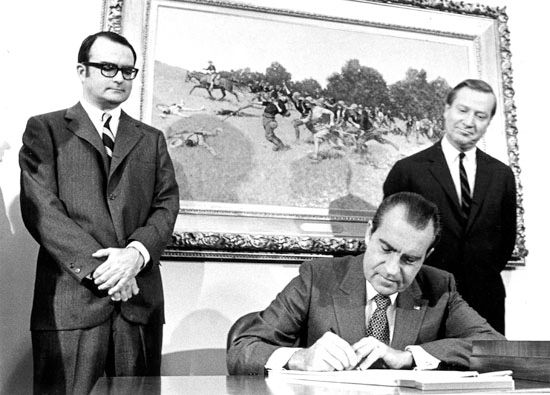
The Environmental Protection Agency (EPA) was established in 1970 by President Richard Nixon to consolidate fragmented environmental laws into a unified…
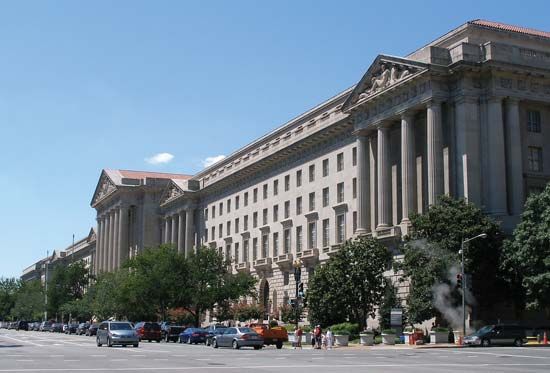
How has the EPA’s role evolved since its establishment in 1970?
The Environmental Protection Agency (EPA) was established in 1970 by President Richard Nixon to consolidate fragmented environmental laws into a unified national framework for monitoring and enforcement.1
Early Mandates and Expansion
Initially, the agency focused on the Clean Air Act and Clean Water Act, successfully reducing industrial and automotive emissions. By the 1990s, its scope grew to include Superfund site cleanups, asbestos regulation, and energy efficiency initiatives like the Energy Star program.1
21st-Century Shifts
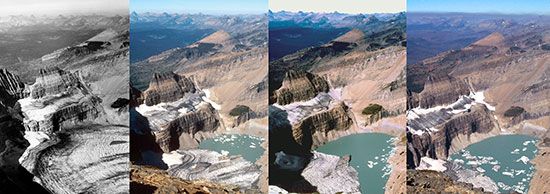
In the early 2000s, the EPA’s role expanded to address climate change following a Supreme Court ruling that greenhouse gases fell under the Clean Air Act. However, this authority faced significant legal and political challenges. In 2022, the Supreme Court limited the agency’s power to force industrial shifts toward cleaner energy. By 2026, the EPA repealed previous greenhouse gas regulations for power plants, asserting that such emissions did not fall under its regulatory purview.1
How does the EPA enforce environmental regulations and laws?
The Environmental Protection Agency (EPA) enforces environmental laws by establishing national pollution-control standards and monitoring compliance across various sectors. Since its creation in 1970, the agency has been tasked with administering major statutes, including the Clean Air Act and the Clean Water Act, which regulate industrial emissions and wastewater discharges.1
The agency’s enforcement mechanisms have historically included:
- Setting Guidelines: Developing national standards for air and water quality, as well as regulations for toxic substances like asbestos and pesticides.1
- Collaborative Regulation: Working with industries to implement technological solutions, such as the installation of catalytic converters to reduce vehicle emissions.1
- Site Remediation: Managing the Superfund program to oversee the cleanup of abandoned hazardous waste sites.1
- Transparency and Planning: Implementing rules like the Emergency Planning and Community Right-to-Know Act, which requires industries to disclose toxic chemical production to local communities.1
While the EPA has broad authority to monitor and enforce these statutes, its regulatory scope is subject to judicial review and legislative authorization, as seen in recent Supreme Court rulings regarding greenhouse gas emissions.1
What are some of the most significant environmental policies or acts that the EPA oversees?
The Environmental Protection Agency (EPA) oversees a robust framework of federal laws designed to protect public health and the environment. Some of the most significant policies include:
- Clean Air Act (1970): This foundational law established national air quality standards to combat pollution from industries and motor vehicles. It authorizes the EPA to set limits on “criteria” pollutants, such as lead and sulfur dioxide, and regulates hazardous air emissions.21
- Clean Water Act (1972): This legislation regulates the discharge of pollutants into U.S. waters. It established the National Pollutant Discharge Elimination System (NPDES), which requires industrial and municipal facilities to obtain permits for wastewater discharge.23
- Toxic Substances Control Act (1976): This act empowers the EPA to track and regulate thousands of industrial chemicals. It mandates that manufacturers report new uses of chemicals and allows the agency to restrict or ban substances found to be harmful, such as asbestos.45
- Superfund (CERCLA, 1980): Formally known as the Comprehensive Environmental Response, Compensation, and Liability Act, this program provides funding and legal authority to clean up abandoned or uncontrolled hazardous waste sites.65
- Resource Conservation and Recovery Act (1976): This law governs the “cradle-to-grave” management of hazardous waste, ensuring that materials are tracked safely from their generation to final disposal.5
What are some notable success stories or achievements of the EPA since its inception?
Since its establishment in 1970, the Environmental Protection Agency (EPA) has achieved significant milestones in improving public health and environmental quality through rigorous regulation and enforcement.
Notable successes include:
- Air Quality Improvements: By mandating the installation of catalytic converters in automobiles, the EPA helped reduce unburned hydrocarbon emissions by 85 percent. Between 1970 and 1990, overall air pollution emissions in the United States declined by one-third to one-half.1
- Phase-out of Leaded Gasoline: The EPA initiated the phase-out of leaded gasoline in 1972. This action was critical for protecting public health from lead poisoning and ensuring the effectiveness of modern emission-control technologies.17
- Hazardous Waste Cleanup: Through the Superfund program, the agency has managed the complex remediation of abandoned hazardous waste sites, successfully completing cleanups at more than 750 locations by the early 21st century.12
- Energy Efficiency: The Energy Star program, launched in 1992, successfully established standards for energy efficiency in household appliances and electronics, helping consumers reduce energy consumption.1
Sources
- Environmental Protection Agency — Encyclopædia Britannica
- Superfund — Encyclopædia Britannica
- Toxic Substances Control Act — Encyclopædia Britannica
- Clean Air Act — Encyclopædia Britannica
- Clean Water Act — Encyclopædia Britannica
- toxic waste - Laws — Encyclopædia Britannica
- tetraethyl lead — Encyclopædia Britannica
- Endangered Species Act — Encyclopædia Britannica
Published on · 3 min read