Toxic Waste
International agreements and national regulations are essential for managing toxic waste, which poses significant risks to human health and the environment…
How do international agreements and regulations address the issue of toxic waste management?
International agreements and national regulations are essential for managing toxic waste, which poses significant risks to human health and the environment through contamination of air, water, and soil.12
International Frameworks
The Basel Convention, adopted in 1989, is the primary international treaty governing the transboundary movement of hazardous waste. Its core objective is to prevent the dumping of hazardous materials from developed nations into developing regions. The convention establishes a system of “prior informed consent,” requiring exporting countries to notify and receive approval from importing and transit states before shipments occur. The United Nations Environment Programme (UNEP) provides technical assistance and serves as the secretariat for this and other conventions, such as the 1998 agreement on the prior informed consent procedure for hazardous chemicals and pesticides.34
National and Regulatory Approaches
At the national level, regulations often mandate that waste generators—typically factory owners—are responsible for the safe management of hazardous materials. For example, India’s Hazardous and Other Wastes Rules (2016) require that waste be handled only by authorized users and tracked via a manifest system from generation to final disposal. Such frameworks aim to curb illegal dumping and ensure that waste is processed only by facilities equipped for safe recycling or disposal.3
Despite these efforts, challenges persist, particularly regarding electronic waste, where lax enforcement and the pursuit of profit lead to hazardous, informal recycling practices in developing countries. Experts emphasize the need for policies that extend producer responsibility beyond the point of sale to ensure sustainable end-of-life management.2
How does toxic waste affect human health and the environment?
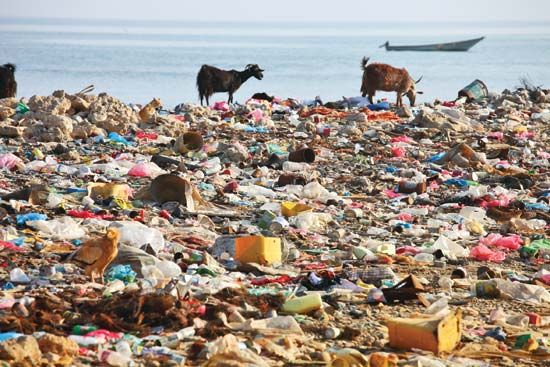
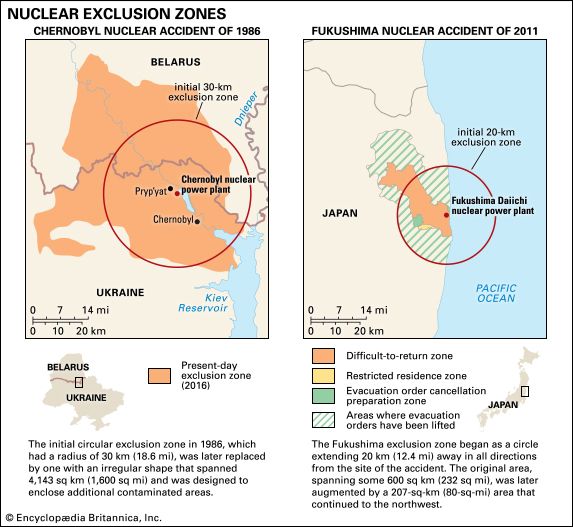
Toxic waste refers to chemical or biological waste capable of causing injury or death to life, including materials that are poisonous, radioactive, explosive, carcinogenic, mutagenic, or teratogenic. These substances enter the environment through industrial, chemical, and biological processes, often contaminating air, soil, and groundwater.15
Impact on Human Health
Human exposure occurs through ingestion, inhalation, or skin absorption. The health consequences are severe and varied:1
- Neurological and Developmental: Many toxins, such as mercury and lead, damage the nervous system, leading to cognitive impairment, behavioral changes, and permanent neurological damage.67
- Chronic Disease: Toxic waste is linked to cancer, liver disease, hypertension, and heart defects.8
- Reproductive Issues: Exposure can cause birth defects, miscarriages, and low birth weight.8
- Acute Toxicity: Corrosive substances like acids can cause severe tissue burns, while other chemicals may trigger nausea, vomiting, and organ failure.67
Impact on the Environment
Toxic waste overwhelms natural restorative processes and degrades ecosystems:8
- Habitat Destruction: Contamination destroys habitats and reduces populations of sensitive species.8
- Bioaccumulation: Certain toxins increase in concentration as they move up the food chain, leading to long-term reproductive and immune system disruptions in wildlife, such as the historical decline of bald eagle populations.18
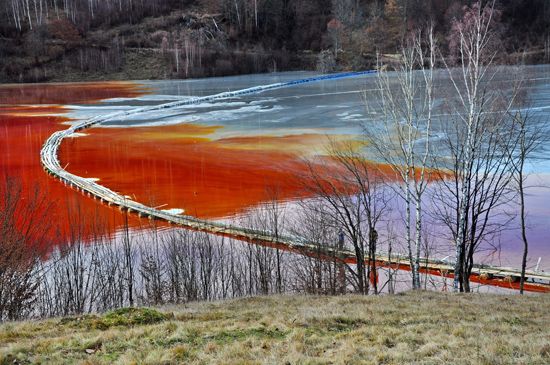
- Land and Water Pollution: Improper disposal, such as in unlined landfills or lagoons, allows leachate to seep into groundwater and surface water, jeopardizing public health and environmental quality.59
How has the concept of environmental justice emerged in relation to toxic waste disposal?
The concept of environmental justice emerged in the early 1980s as a grassroots movement to address the inequitable distribution of environmental hazards, which disproportionately affect poor and minority communities. This movement asserts that all individuals have a fundamental right to live in a clean, safe environment, free from the industrial waste and pollution that threaten their well-being.10
A pivotal moment for the movement occurred in 1982 in Warren County, North Carolina, where an African American community was selected as the site for a hazardous-waste landfill following years of illegal dumping. This event helped coin the term environmental racism, which describes the discriminatory practice of targeting minority enclaves for the placement of waste-storage facilities or failing to enforce environmental standards equitably in those areas.101
While some traditional environmentalists have historically criticized the movement for shifting focus toward social issues like racism, classism, and sexism, the environmental justice movement successfully integrated these concerns into the broader environmental agenda, emphasizing that true environmental protection must be fair and inclusive for all citizens.10
What are some common household products that can become toxic waste if not disposed of properly?
Many common household items contain hazardous substances that can become toxic waste if not disposed of through proper channels. When these products are discarded in regular trash or dumped illegally, they can leach harmful chemicals into the soil and groundwater, posing significant risks to human health and the environment.312
Common household products that require careful disposal include:
- Electronic Waste (E-waste): This category includes computers, cell phones, televisions, and various small appliances. These items often contain toxic materials like lead, cadmium, and mercury, which can damage the nervous system and organs if handled improperly.312
- Batteries: Used batteries from electronic devices are a routine source of toxic waste.12
- Chemical Products: Items such as pesticides, solvents, paints, and tar contain hazardous chemicals that require specialized high-temperature incineration to prevent the formation of dangerous toxins like dioxins.121
- Lighting Equipment: Fluorescent lamps and high-intensity discharge lamps often contain hazardous materials that necessitate careful handling.3
To protect public health and the environment, these items should be managed through authorized collection centers or producer take-back systems rather than being landfilled.313
Sources
- toxic waste — Encyclopædia Britannica
- waste management in India - Hazardous and other wastes — Encyclopædia Britannica
- electronic waste — Encyclopædia Britannica
- United Nations Environment Programme — Encyclopædia Britannica
- land pollution — Encyclopædia Britannica
- toxic waste - Costs — Encyclopædia Britannica
- occupational disease - Metals — Encyclopædia Britannica
- poison - Inorganic compounds — Encyclopædia Britannica
- hazardous-waste management - Surface storage and land disposal — Encyclopædia Britannica
- environmental justice — Encyclopædia Britannica
- toxic waste - Laws — Encyclopædia Britannica
- waste management in India - Electronic waste — Encyclopædia Britannica
- toxic waste - Cleaning up toxic waste — Encyclopædia Britannica
Published on · 4 min read