Epiphyte
An epiphyte is a plant that grows on another plant or object solely for physical support. Unlike terrestrial plants, epiphytes have no attachment to the…
What is an epiphyte, and how does it differ from other types of plants?
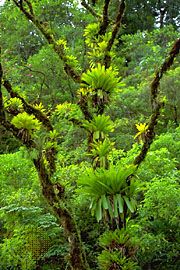
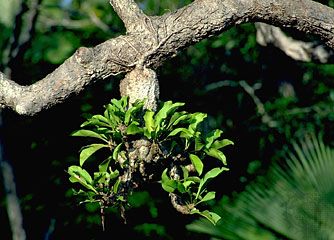
An epiphyte is a plant that grows on another plant or object solely for physical support. Unlike terrestrial plants, epiphytes have no attachment to the ground and do not rely on their host for water or nutrients. Instead, they obtain moisture from rain and water vapor in the air and gather nutrients from organic debris that collects on the supporting structure.12
Epiphytes are distinct from other plant types in several key ways:
- Versus Parasitic Plants: While both grow on other plants, parasitic plants are fundamentally different because they use a specialized organ called a haustorium to penetrate the host and extract water or nutrients, often causing the host harm. Epiphytes are not parasitic; they use the host only as a platform to reach better light or resources.31
- Versus Terrestrial Plants: Most plants are rooted in soil to access water and minerals. Epiphytes have evolved to bypass this requirement, often possessing specialized roots or leaves to absorb moisture directly from the atmosphere.1
How do epiphytes obtain water and nutrients without being rooted in soil?
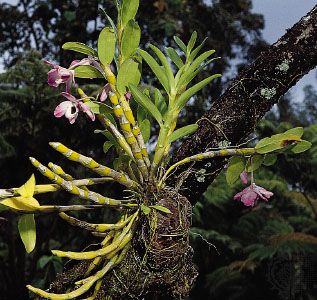
Epiphytes have evolved specialized mechanisms to thrive without soil by capturing resources directly from their environment. They obtain water primarily from rain and atmospheric water vapor, which is absorbed through their roots or specialized leaves. In many species, such as orchids and Tillandsia, adventitious roots serve as the primary means of attachment to surfaces like tree branches or rocks, while also facilitating the uptake of moisture.16
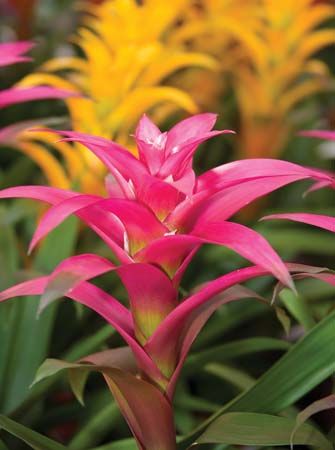
Nutrients are acquired through the collection of organic matter. Epiphytes capture falling leaf litter, windblown dust, and other organic debris that accumulates on their host plants. In the case of tank bromeliads, the plant’s leaf rosette forms a pool that collects water and decaying organic material, creating a nutrient-rich environment that supports a complex micro-ecosystem. By utilizing these atmospheric and surface-level resources, epiphytes successfully bypass the need for a terrestrial root system.17
In which ecosystems are epiphytes most commonly found, and why?
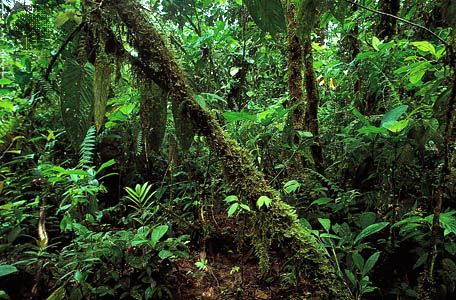
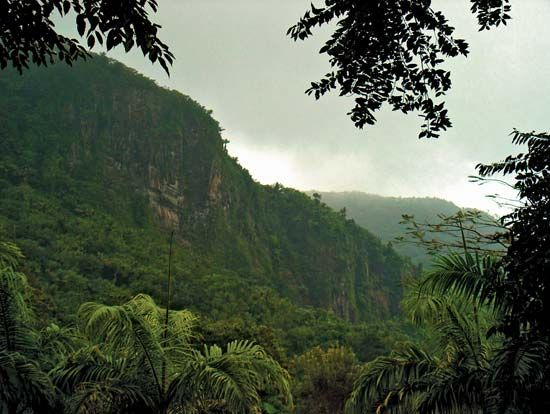
Epiphytes are most commonly found in moist tropical ecosystems, particularly in tropical rainforests and cloud forests. These environments provide the high humidity and consistent moisture necessary for these plants to survive without being rooted in the soil.18
The primary reasons epiphytes thrive in these ecosystems include:
- Access to Sunlight: In dense, shaded forests, the forest floor receives very little light. By growing on the branches of trees, epiphytes can reach the upper canopy, where they gain access to the bright sunlight required for photosynthesis.19
- Resource Availability: Tropical regions provide abundant rainfall and water vapor, which epiphytes absorb directly from the air. Additionally, the complex structure of the canopy allows for the accumulation of organic debris—such as fallen leaves and dust—which provides the essential mineral nutrients these plants need.19
- Microclimate: In cloud forests, persistent mist and condensation ensure that epiphytes remain hydrated even when rainfall is not immediate, allowing them to form thick, lush blankets on tree trunks and branches.8
While less common in arid regions, some species have adapted to unique niches, such as coastal deserts, where they rely on marine fog for moisture.1
What adaptations have epiphytes developed to survive in their unique habitats?
Epiphytes have evolved several specialized adaptations to survive in habitats where they lack access to soil-based nutrients and water. These adaptations allow them to thrive by capturing resources directly from their environment:
- Specialized Root Systems: Many epiphytes, such as orchids and Tillandsia, utilize adventitious roots primarily for physical attachment to trees or rocks rather than for soil anchorage. These roots are often highly efficient at absorbing water and dissolved minerals directly from rain and atmospheric moisture.110
- Foliar Absorption: Beyond their roots, many epiphytes have developed specialized leaves capable of taking in moisture and nutrients. For example, epiphytic bromeliads possess specialized trichomes on their leaf surfaces that absorb water and minerals from the air.17
- Nutrient Collection: To compensate for the lack of soil, many epiphytes capture falling leaf litter, windblown dust, and organic debris that accumulates in the canopy. Tank bromeliads take this further by forming a leaf rosette that acts as a reservoir, collecting water and decaying organic matter to create a nutrient-rich micro-ecosystem.111
- Reproductive Strategies: Because their habitats are often fragmented and narrow, many epiphytes rely on wind for seed dispersal, producing dustlike or feathery seeds. Others produce edible fruits to encourage dispersal by birds and other animals.1
Sources
- Epiphyte — Encyclopædia Britannica
- Did you know? — Merriam-Webster
- Parasitic plant — Encyclopædia Britannica
- Plant - Classification of angiosperms — Encyclopædia Britannica
- Plant — Encyclopædia Britannica
- Adventitious root — Encyclopædia Britannica
- Life in a bromeliad pool — Encyclopædia Britannica
- Cloud forest — Encyclopædia Britannica
- Tropical rainforest - General structure of the rainforest — Encyclopædia Britannica
- Root — Encyclopædia Britannica
- Angiosperm - Dermal tissue — Encyclopædia Britannica
Published on · 4 min read