Ermine
The ermine (Mustela erminea), also known as the stoat or short-tailed weasel, is a small, agile carnivore belonging to the family Mustelidae and the genus…
What is an ermine and how is it related to other members of the weasel family?
The ermine (Mustela erminea), also known as the stoat or short-tailed weasel, is a small, agile carnivore belonging to the family Mustelidae and the genus Mustela.123
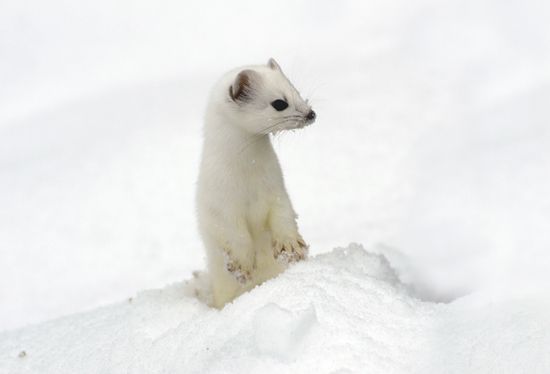
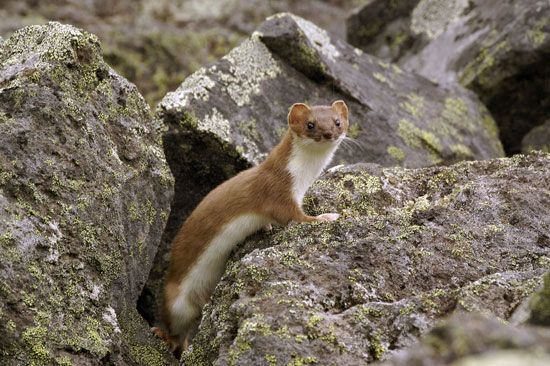
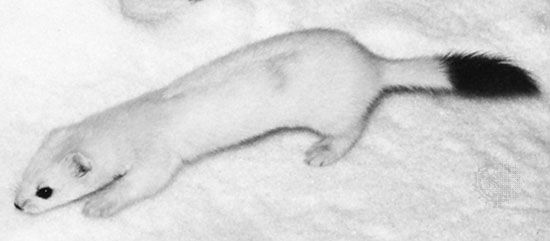
Ermines are characterized by their slender, elongated bodies and are notable for their seasonal coat changes; while they are brown with white underparts in summer, they often turn white in winter in colder climates, retaining a distinctive black-tipped tail. Historically, these winter pelts have been highly prized in the fur trade and were once restricted to royal use in England.413
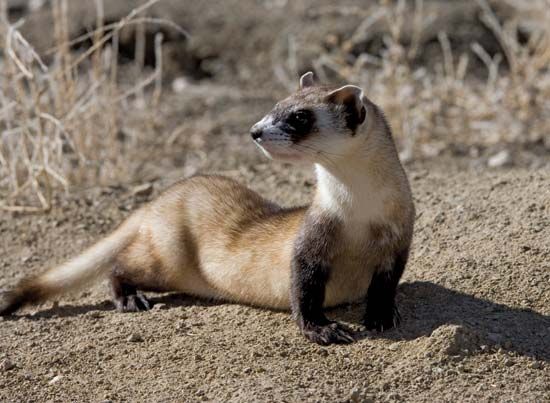
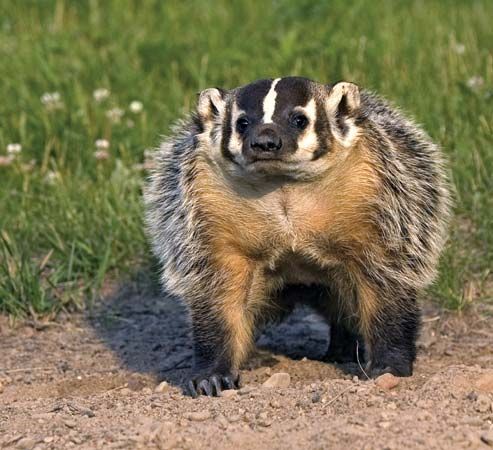
As members of the weasel family, ermines share close evolutionary ties with other Mustela species, including ferrets, polecats, and mink/polecat), and mink. The broader Mustelidae family is diverse, encompassing other well-known animals such as badgers, otters, and the wolverine. Like their relatives, ermines are bold, solitary predators that rely on their narrow frames to hunt small prey in confined spaces.32
Are there any conservation concerns for ermine populations?
The International Union for Conservation of Nature classifies the ermine (Mustela erminea) as a species of least concern.2
While these animals are subject to hunting and trapping pressure in certain localized parts of their range due to the historical and commercial value of their winter pelts, they remain abundant across their wide distribution in North America and Eurasia. Currently, the global population of the ermine faces no significant conservation threats.2
What is the typical habitat and diet of an ermine?
The ermine (Mustela erminea) is a highly adaptable predator with a wide distribution across northern North America and Eurasia.
Habitat
Ermines are found in a variety of environments, though they are most abundant in thickets, woodlands, and semi-timbered areas. They are also known to inhabit diverse landscapes including grasslands and tundra.22
Diet
As voracious mammals, ermines are active hunters that primarily consume small mammals, such as voles and mice. Their diet is also known to include:
- Birds
- Eggs
- Frogs
- Occasional invertebrates62
When hunting, these agile predators typically seize smaller prey at the base of the skull, while larger prey is captured by the throat.6
How does an ermine’s coat change with the seasons, and why?
The ermine (Mustela erminea) undergoes a seasonal transformation of its coat, shifting from a brown summer color to a white winter coat in colder climates. This transition is a form of molting, where the animal replaces its fur to adapt to changing environmental conditions.25
The Mechanism of Change
The primary cue for this color change is the decrease in temperature, which triggers the ermine to molt into its white winter phase. Unlike some other species that rely primarily on photoperiod (the amount of daylight), ermines are specifically sensitive to falling temperatures to initiate this process. In transition zones with moderate climates, some ermines may only partially change color, resulting in a patchy appearance.572
Why the Change Occurs
While the exact evolutionary advantages are still studied, the shift to a white coat is widely associated with two main factors:
- Camouflage: A white coat provides effective concealment against snow-covered landscapes, helping the ermine avoid predators and remain hidden from prey.75
- Insulation: Some scientists theorize that white fur may offer superior insulation. Because white hair lacks melanin—the pigment responsible for color—it contains air spaces within the hair shaft that may help retain body heat more efficiently.7
Regardless of the season, the ermine’s tail tip remains black, a distinctive feature of the species.27
Sources
- short-tailed weasel — Merriam-Webster
- ermine — Encyclopædia Britannica
- List of mustelids — Encyclopædia Britannica
- weasel — Encyclopædia Britannica
- 7 Animals That Turn White in Winter — Encyclopædia Britannica
- ermine — Merriam-Webster
- Ecdysis - Control — Encyclopædia Britannica
- arthropod - The exoskeleton and molting — Encyclopædia Britannica
- coloration - Seasonal changes — Encyclopædia Britannica
Published on · 3 min read