European Plain
The European Plain is one of the world's largest uninterrupted expanses of lowland, stretching from the Pyrenees Mountains on the French-Spanish border in…
What is the geographical extent of the European Plain and which countries does it cover?
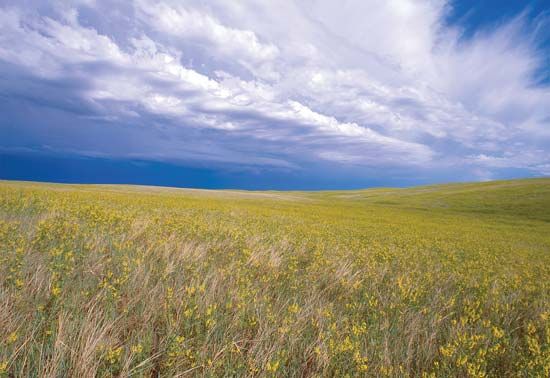
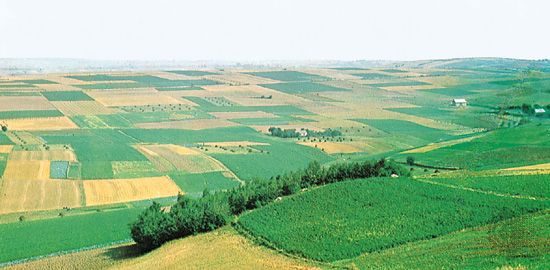
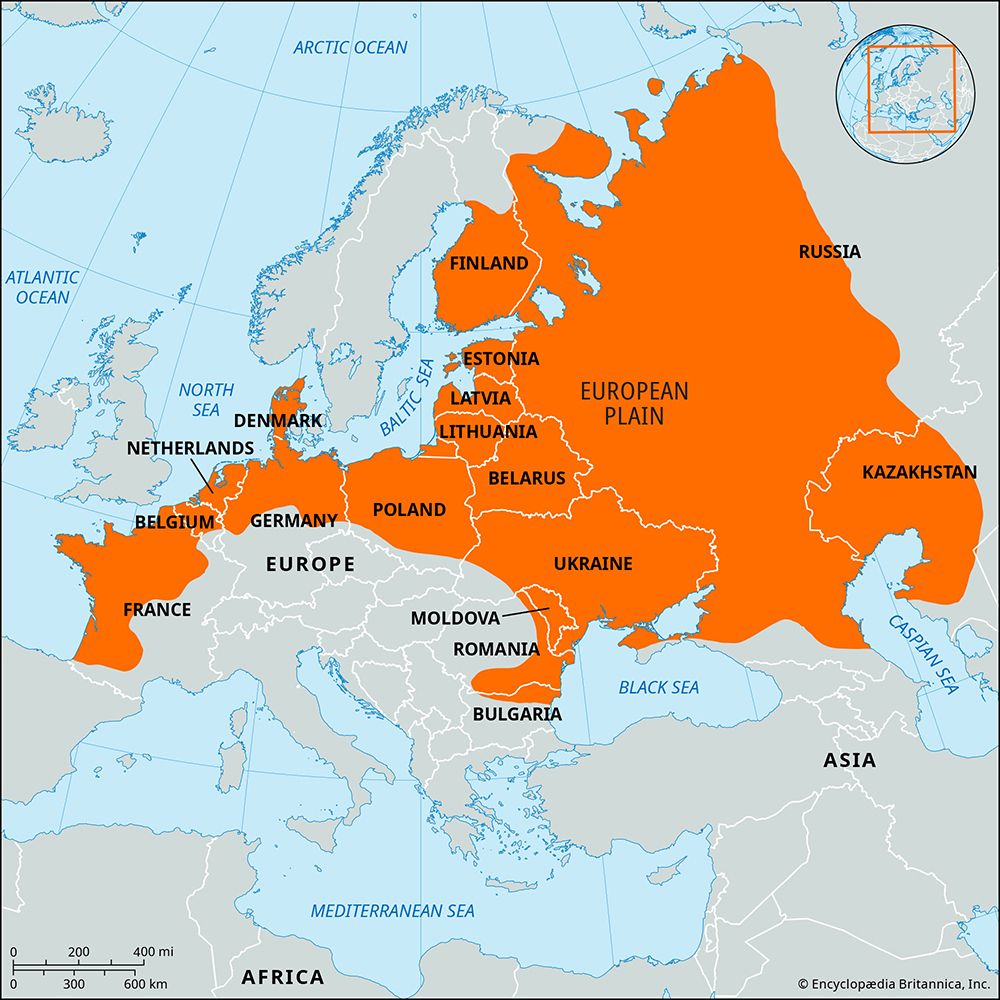
The European Plain is one of the world’s largest uninterrupted expanses of lowland, stretching from the Pyrenees Mountains on the French-Spanish border in the west to the Ural Mountains in Russia in the east. While relatively narrow in the west—rarely exceeding 200 miles—it broadens significantly as it moves eastward, reaching a width of over 2,000 miles in western Russia.1
The plain encompasses a vast array of countries and regions:
- Western and Central Europe: It covers all of western and northern France, Belgium, the Netherlands, northern Germany, and nearly all of Poland, as well as southern Scandinavia.2
- Eastern Europe: The plain extends across the Baltic states, Belarus, nearly all of Ukraine, Finland, and the European portion of Russia.2
This enormous lowland contributes to Europe having the lowest average elevation of any continent.1
How has industrialization impacted the landscape and ecology of the European Plain?
Since the mid-19th century, industrialization has fundamentally reshaped the landscape and ecology of the European Plain. The region transitioned from a primarily rural, agricultural environment to one of the world’s most significant hubs for heavy industry, particularly coal, steel, and chemical production.34
Landscape Transformation
The development of heavy industry was concentrated around major coalfields, stretching from the Ruhr valley in Germany through the Netherlands, Belgium, and northern France, and extending eastward to the Donets Basin in Ukraine and Russia. The plain’s flat terrain facilitated the construction of extensive railway networks and canal systems, which were essential for transporting bulky raw materials like coal and iron ore. This infrastructure, combined with the growth of major seaports like Hamburg and Rotterdam, permanently altered the physical landscape, replacing rural expanses with dense industrial and urban centers.34
Ecological Impact
The ecological footprint of this development has been profound:
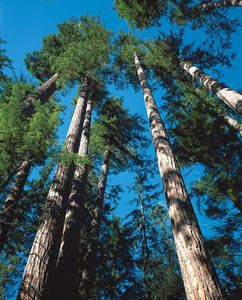
- Deforestation and Land Use: Historically, the demand for fuel—including charcoal for iron smelting—and the need for agricultural land led to the widespread clearing of primeval forests. This process, which intensified during the 19th century, reduced forests to remnants across much of the continent.5
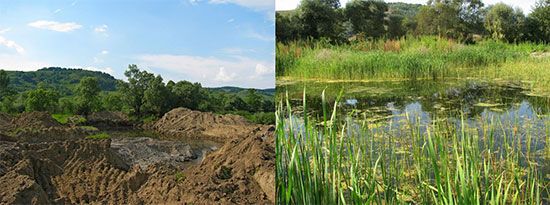
- Soil and Vegetation Change: Intensive agriculture and industrial activity have necessitated soil restoration efforts. In some areas, years of heavy fertilization for crops have degraded natural soil quality, leading to modern projects aimed at restoring calcareous grasslands through topsoil removal and biomass management.6
- Habitat Loss: The expansion of urban and industrial zones has fragmented natural habitats, though some abandoned agricultural land has seen the emergence of second-growth forests.5
What is the average elevation of the European Plain, and how does it compare to other plains around the world?
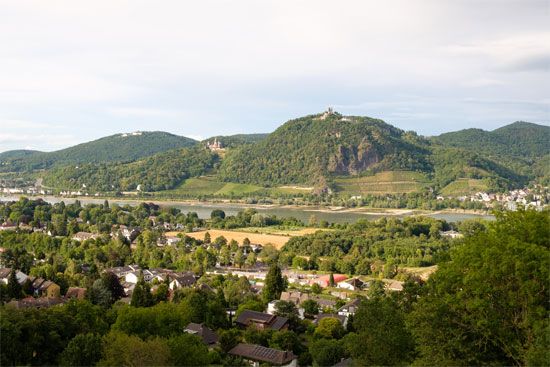
The European Plain is characterized by its exceptionally low elevation, which contributes to Europe having the lowest average elevation of any continent. Across the East European Plain, the terrain is consistently low, with the entire region from the Black Sea to the Arctic situated below 1,500 feet (450 metres) in elevation. While the plain is generally flat, its relief is occasionally broken by hills, particularly in the west, and some areas—such as the Caspian Depression—even reach below sea level.189
When compared to other major global plains, the European Plain shares the characteristic of being a vast, low-relief landscape formed primarily by erosional and depositional processes rather than intense tectonic activity. For instance, the Indo-Gangetic Plain in South Asia also features a nearly imperceptible gradient, though it is distinguished by deep alluvial deposits reaching up to 6,000 feet (1,800 metres) in depth. Like the European Plain, these major world plains serve as critical centers for population, agriculture, and commerce due to their accessible terrain and fertile soils.102
What role did the European Plain play in major historical events and conflicts in Europe?
The European Plain has served as a critical theater for historical conflict and strategic maneuvering due to its vast, open terrain. Its flat geography, while facilitating agricultural development and trade, has historically allowed for the rapid movement of armies, making it a frequent battleground for major European powers.611
Strategic Significance in Conflict
During the Napoleonic Wars, the plain’s accessibility enabled large-scale military campaigns that sought to establish hegemony across the continent. Later, during the Eastern Front of World War I, the plain’s lack of natural barriers—save for specific water obstacles—defined military strategy. The vast, gently undulating landscape meant that operations were largely dictated by river lines, such as the Vistula and Bug, and the presence of formidable wetlands like the Pripet Marshes, which significantly hindered large-scale troop movements.1211
Infrastructure and Logistics
The plain’s physical characteristics directly influenced the logistics of war. In the 19th and 20th centuries, the same flat terrain that supported the construction of extensive railway networks for industrial transport also provided the mobility necessary for modern warfare. However, disparities in infrastructure—such as the underdeveloped transportation systems in Russia compared to its western neighbors—often determined the outcome of conflicts by limiting the speed and coordination of military forces.611
Sources
- European Plain — Encyclopædia Britannica
- European Plain - Physiography — Encyclopædia Britannica
- European Plain - The economy — Encyclopædia Britannica
- Europe - Economy of Europe — Encyclopædia Britannica
- Europe - Role of humans — Encyclopædia Britannica
- European Plain - History of European Plain — Encyclopædia Britannica
- ecological restoration - Calcareous grasslands — Encyclopædia Britannica
- plain — Encyclopædia Britannica
- Europe - Elevations — Encyclopædia Britannica
- India - The Indo-Gangetic Plain — Encyclopædia Britannica
- Eastern Front - Physical characteristics of the Eastern Front — Encyclopædia Britannica
- Napoleonic Wars — Encyclopædia Britannica
Published on · 4 min read