Old-growth Forest
An old-growth forest, also known as a primary forest, is a climax forest in the late stages of development that has remained largely undisturbed by human…
What is an old-growth forest?
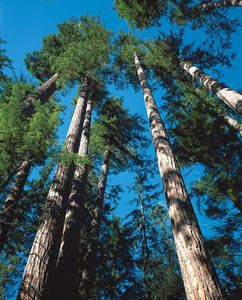
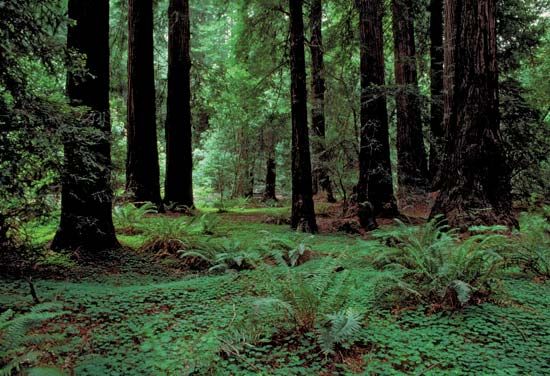
An old-growth forest, also known as a primary forest, is a climax forest in the late stages of development that has remained largely undisturbed by human activity. These ecosystems are characterized by a complex structure, including a multilayered canopy, a mix of tree ages and sizes, and an abundance of snags and woody debris.12
Because they have been relatively free from human interference for centuries, these forests promote high levels of biodiversity. They provide critical ecosystem services, such as filtering water and sequestering carbon, which helps mitigate the effects of climate change2.
Unfortunately, these vital habitats are under significant threat from logging, agricultural expansion, and the increasing severity of natural disturbances linked to anthropogenic climate change. Protecting these areas through conservation is essential, as they hold immense ecological, cultural, and spiritual value that cannot be replicated in younger, disturbed forests.1
How is an old-growth forest different from a younger forest?
An old-growth forest, often referred to as a primary forest, represents a climax forest in the late stages of ecological succession, whereas younger forests are typically in earlier stages of development following a disturbance.13
The primary differences include:
- Structure and Complexity: Old-growth forests possess a complex, multilayered canopy and a diverse mix of tree ages and sizes. In contrast, younger forests often lack this structural diversity.13
- Disturbance History: Old-growth forests have remained largely undisturbed by human activity for centuries. Younger forests are often the result of secondary succession, occurring after events like wildfires, storms, or human-led clearing for agriculture.23
- Biological Components: Old-growth areas are characterized by an abundance of snags (dead trees), woody debris, and specific habitats like tree cavities that support high biodiversity. Younger forests generally have fewer of these features.13
- Ecosystem Capacity: Due to their significant biomass and maturity, old-growth forests offer a greater capacity for carbon sequestration and water filtration compared to younger, developing stands.3
What types of plants and animals live in old-growth forests?
Old-growth forests are complex ecosystems that support a wide variety of life due to their structural diversity and long-term stability. Because these forests contain trees of varying ages and sizes, along with significant amounts of deadwood and woody debris, they provide specialized niches that many species rely on for survival.4
Flora and Fauna
The plant and animal life found in old-growth forests varies depending on the region, but common features include:
- Plants: The forest floor is often covered with native understory plants, ferns, and mosses. The presence of fallen logs and decaying organic matter supports diverse communities of fungi and bacteria, which are essential for nutrient cycling.4
- Animals: The structural complexity of these forests provides critical habitat. For example, older trees often develop cavities that serve as nesting sites for various birds and mammals. Fallen trees and woody debris on the forest floor provide shelter and habitat for insects, amphibians, and other small organisms.4
- Aquatic Life: Streams and lakes within these forests are vital for fish and other aquatic fauna, benefiting from the stable, protected environment provided by the surrounding old-growth canopy.4
In specific ecosystems like temperate rainforests, old-growth stands are home to diverse species ranging from black bears and elk to specialized birds like the spotted owl.2
Why are dead trees and fallen logs important in old-growth forest ecosystems?
Dead trees and fallen logs are essential components of old-growth forest ecosystems, serving as critical drivers of biodiversity and structural complexity. Their importance lies in several key ecological functions:
- Habitat Provision: Fallen trees and woody debris provide vital shelter and living spaces for a wide array of organisms, including fungi, bacteria, insects, and amphibians. Similarly, standing dead trees often develop cavities that serve as essential nesting sites for various birds and mammals.6
- Canopy Dynamics: When large trees fall, they create openings in the forest canopy. These gaps allow sunlight to reach the forest floor, which is necessary for the growth of saplings and the maintenance of a diverse, multi-layered forest structure.6
- Nutrient Cycling: As deadwood decomposes, it acts as a reservoir for organic matter. Fungi, bacteria, and invertebrates break down this material, returning essential nutrients to the soil, which supports the continued health and productivity of the forest.26
Sources
- old-growth — Merriam-Webster
- old-growth forest — Encyclopædia Britannica
- plant - Succession and zonation — Encyclopædia Britannica
- Forest — Encyclopædia Britannica
- Temperate rainforest — Encyclopædia Britannica
- Deciduous forest — Encyclopædia Britannica
- wood - Degradation — Encyclopædia Britannica
Published on · 3 min read