Extreme Birds: 7 Wonders of the Avian World
"Extreme birds: 7 wonders of the avian world" is a feature that highlights seven bird species, each representing a different continent, to illustrate the…
What is Extreme birds: 7 wonders of the avian world?
“Extreme birds: 7 wonders of the avian world” is a feature that highlights seven bird species, each representing a different continent, to illustrate the extraordinary ways evolution has shaped the avian world.1
The seven birds featured are:
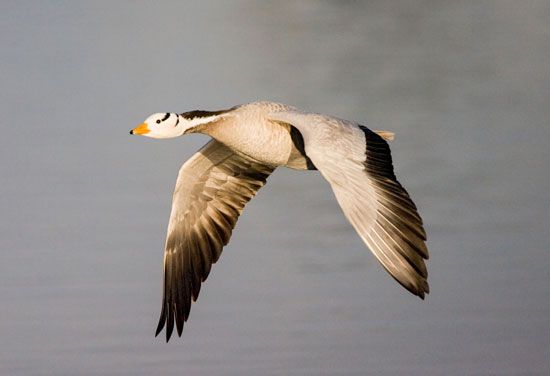
- Bar-headed goose (Asia): One of the highest-flying birds, capable of crossing the Himalayas at extreme altitudes.1
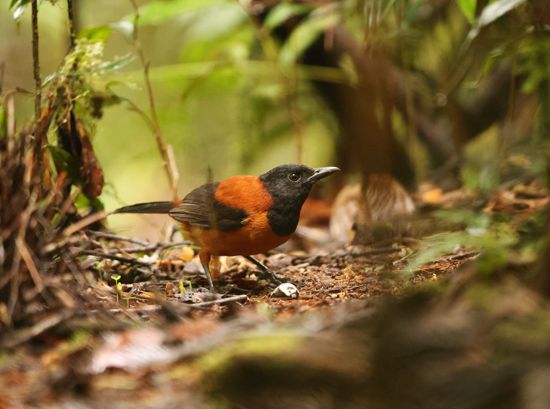
- Hooded pitohui (Australia and Oceania): The world’s most toxic bird, possessing skin and feathers laced with batrachotoxin.1
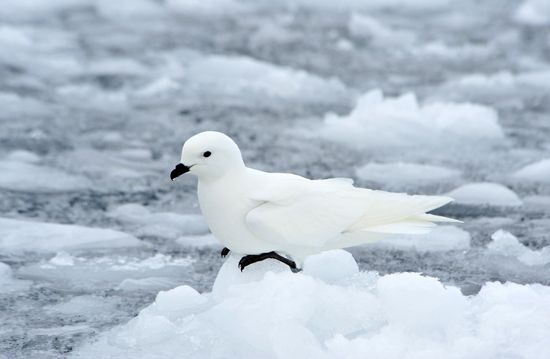
- Snow petrel (Antarctica): The world’s most southerly breeding bird, highly adapted to pack ice environments.1
- Bald eagle (North America): Known for building the largest nests in the avian world, which can weigh over two tons.1
- Sword-billed hummingbird (South America): The only known bird with a bill longer than its body.1
- Red-billed quelea (Africa): The most heat-tolerant and abundant wild bird on Earth.1
- Eurasian wryneck (Europe): A bird that mimics a snake by twisting its neck 180 degrees when threatened.1
How do birds maintain their body temperature in extreme environments?
Birds maintain their body temperature through a combination of metabolic regulation, behavioral adaptations, and physiological responses to their environment. Most birds are homeothermic, keeping their body temperature within a narrow range through active metabolic processes.4
Managing Cold Environments
To combat cold, birds rely on shivering to generate heat, as they lack the brown adipose tissue used by mammals for nonshivering thermogenesis. Cold-tolerant species may adjust their basal metabolic rates to prevent hypothermia, while some smaller birds exhibit heterothermy, allowing their body temperature to drop significantly at night to conserve energy. Many species also utilize migration to escape extreme cold.4
Managing Heat Stress
In hot environments, birds employ several cooling strategies:
- Evaporative Cooling: Birds use panting and “throat fluttering”—a rapid vibration of the throat pouch—to dissipate heat with minimal energy expenditure.5
- Behavioral Adjustments: Birds may shade their bodies, orient themselves away from direct sunlight, or expose unfeathered areas like their legs and throat to promote heat loss through convection and conduction.5
- Salt Excretion: Marine birds, which may ingest excess salt while obtaining water, utilize specialized lateral nasal glands to excrete concentrated sodium chloride through their nostrils or bills.5
Thermoreception
Birds possess a sophisticated system of thermoreceptors located in their skin, beak, face, spinal cord, and brainstem. These sensors are critical for regulating behaviors such as egg incubation, where birds adjust blood flow to their brood patch to maintain optimal temperatures for developing embryos.4
What evolutionary adaptations allow birds to fly at such high altitudes?
Birds possess several key evolutionary adaptations that enable them to fly at high altitudes, where oxygen levels and atmospheric pressure are significantly reduced.
Respiratory Efficiency
The primary adaptation is a highly efficient respiratory system that allows birds to extract more oxygen from the air than mammals can. This is essential because, at high altitudes, the partial pressure of oxygen is lower, making it more difficult for organisms to receive sufficient oxygen through standard breathing.78
Physical and Metabolic Adaptations
- Lightweight Structure: Birds have pneumatic (hollow, air-filled) bones, which significantly reduce their body weight and enable them to soar with minimal effort.7
- Metabolic Regulation: Some species, such as the bar-headed goose, can actively reduce their metabolic rate to match the limited oxygen availability at high altitudes.7
- Energy Optimization: Many high-altitude fliers avoid flying in strong winds to conserve energy. Furthermore, soaring birds like eagles and vultures utilize thermal updrafts to gain elevation without expending significant energy, aided by broad wings with slotted tips that help them catch and ride these air currents.7
Why do some birds migrate such long distances across the globe?
Birds migrate long distances primarily to exploit fluctuating food resources and optimize survival across different life zones. This behavior allows species to move between breeding areas and wintering regions that experience seasonal peaks in productivity, ensuring that food is available when it is most needed.11
Ecological Drivers
Migration is essential for species living in environments where food availability is highly variable. For example, many birds nest in the Arctic during the summer to take advantage of high vegetal and animal production. As winter approaches and food becomes scarce, these birds migrate to tropical regions where rainy seasons have increased food supplies to optimal levels. Additionally, some species migrate to areas with lower predator densities to increase the survival rate of their young.1112
Physiological Preparation
The decision to migrate is governed by a complex internal rhythm controlled by the endocrine system, particularly the pituitary gland. As day length changes, the pituitary gland triggers metabolic shifts, such as the accumulation of fat in body tissues, which provides the necessary energy for long-distance travel. While these internal rhythms prepare the bird, external cues like weather, barometric pressure, and food availability often initiate the actual departure.1314
Sources
- Extreme birds: 7 wonders of the avian world — Encyclopædia Britannica
- Bird - Muscles and organs — Encyclopædia Britannica
- Bird: Top Questions — Encyclopædia Britannica
- Thermoreception - Birds — Encyclopædia Britannica
- pelecaniform - Physiological adaptations — Encyclopædia Britannica
- Dormancy - Temperature variations — Encyclopædia Britannica
- How high do birds fly? — Encyclopædia Britannica
- human respiratory system - High altitudes — Encyclopædia Britannica
- Biosphere - Atmospheric pressure — Encyclopædia Britannica
- Charadriiform - Adaptations for flight — Encyclopædia Britannica
- How do birds know when to fly south? — Encyclopædia Britannica
- Migration - Navigation and orientation — Encyclopædia Britannica
- Migration - Ecological significance of migration — Encyclopædia Britannica
- Migration - Origin and evolution of migration — Encyclopædia Britannica
- Migration - Physiological stimulus of migration — Encyclopædia Britannica
- Migration - In Europe — Encyclopædia Britannica
- Migration - In North America — Encyclopædia Britannica
Published on · 4 min read