Farne Islands
The Farne Islands are a group of islets and reefs located 1.5 to 6 miles (2.5 to 10 km) off the North Sea coast of Northumberland, England. Composed of…
What is Farne Islands?
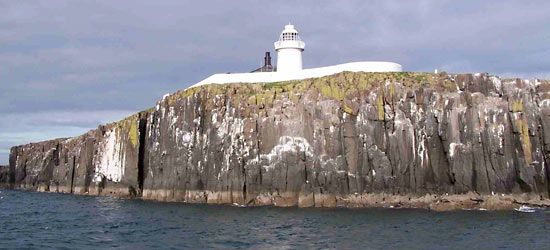
The Farne Islands are a group of islets and reefs located 1.5 to 6 miles (2.5 to 10 km) off the North Sea coast of Northumberland, England. Composed of resistant dolerite rock, the largest island, House (Inner Farne), features cliffs reaching up to 80 feet in height.1
The islands are well-known as a sanctuary for seabirds and seals, managed by the National Trust. They are also historically significant as the home of the Victorian heroine Grace Darling, who lived on Longstone island and gained fame for her role in a daring 1838 sea rescue.12
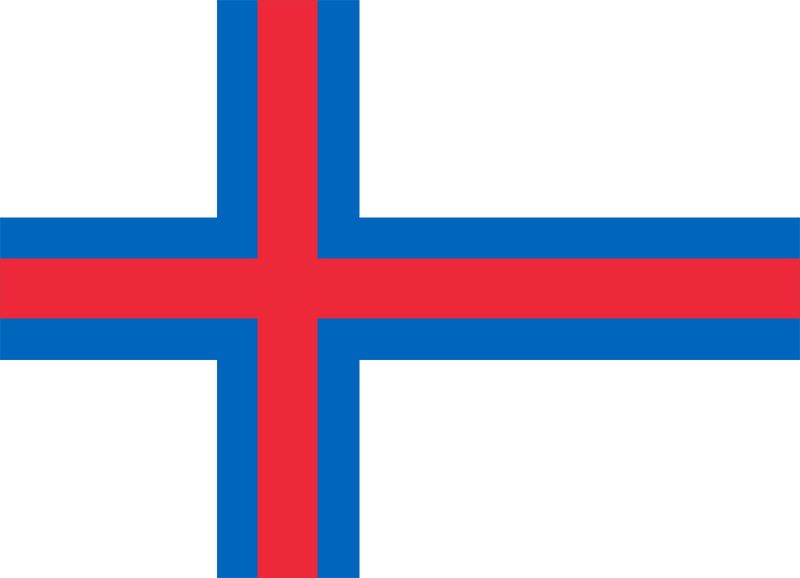
Please note that the Farne Islands are distinct from the Faroe Islands, which are a self-governing territory of Denmark located in the North Atlantic.3
What types of seabirds are commonly found on the Farne Islands?
Sorry, the Britannica knowledge base does not contain this information.
How does the National Trust protect the wildlife on these islands?
While the Farne Islands are preserved as a seabird and seal sanctuary by the National Trust, the provided search results do not contain specific details regarding the exact methods or management practices the organization employs to protect the wildlife on these islands.
We could dive deeper into the general history of the National Trust’s conservation efforts or explore the broader ecological challenges faced by seabird populations globally.
What are the main differences between the Farne Islands and the Faroe Islands?
The Farne Islands and the Faroe Islands are distinct geographical entities with significant differences in scale, governance, and character.
Key Differences
- Location and Scale: The Farne Islands are a small group of islets and reefs located just 1.5 to 6 miles off the coast of Northumberland, England. In contrast, the Faroe Islands are a much larger archipelago in the North Atlantic Ocean, situated between Iceland and the Shetland Islands, covering 540 square miles with a population of over 54,000.
- Governance: The Farne Islands are part of the United Kingdom, managed as a sanctuary by the National Trust. The Faroe Islands are a self-governing overseas administrative division of the kingdom of Denmark, possessing their own parliament, flag, and currency.
- Geology and Landscape: The Farne Islands are composed of resistant dolerite (lava) rocks. The Faroe Islands are characterized by high, rugged volcanic terrain with deep fjords, narrow ravines, and mountains reaching nearly 3,000 feet.
- Economy: While the Farne Islands function primarily as a protected nature reserve, the Faroe Islands maintain a complex economy historically rooted in fishing and sheep raising.
Sources
- Farne Islands — Encyclopædia Britannica
- Grace Darling — Encyclopædia Britannica
- Faroe Islands — Encyclopædia Britannica
- Procellariiform - Importance to humans — Encyclopædia Britannica
Published on · 2 min read