Faroe Islands
The estimated population of the Faroe Islands as of 2026 is 55,400. Historical data indicates significant growth over the last two centuries: the population…
What is the population of the Faroe Islands, and how has it changed over time?
The estimated population of the Faroe Islands as of 2026 is 55,400. Historical data indicates significant growth over the last two centuries: the population tripled between 1801 and 1901 and has more than doubled since that time. More recently, the population was estimated at 54,545 in 2024.12
Fluctuations in the population have been influenced by economic conditions. For instance, a severe economic crisis in the mid-1990s led to substantial emigration to Denmark, though many residents returned following an economic recovery in 1997–98. Looking ahead, population projections suggest a slight decline to approximately 54,300 by 2030.21
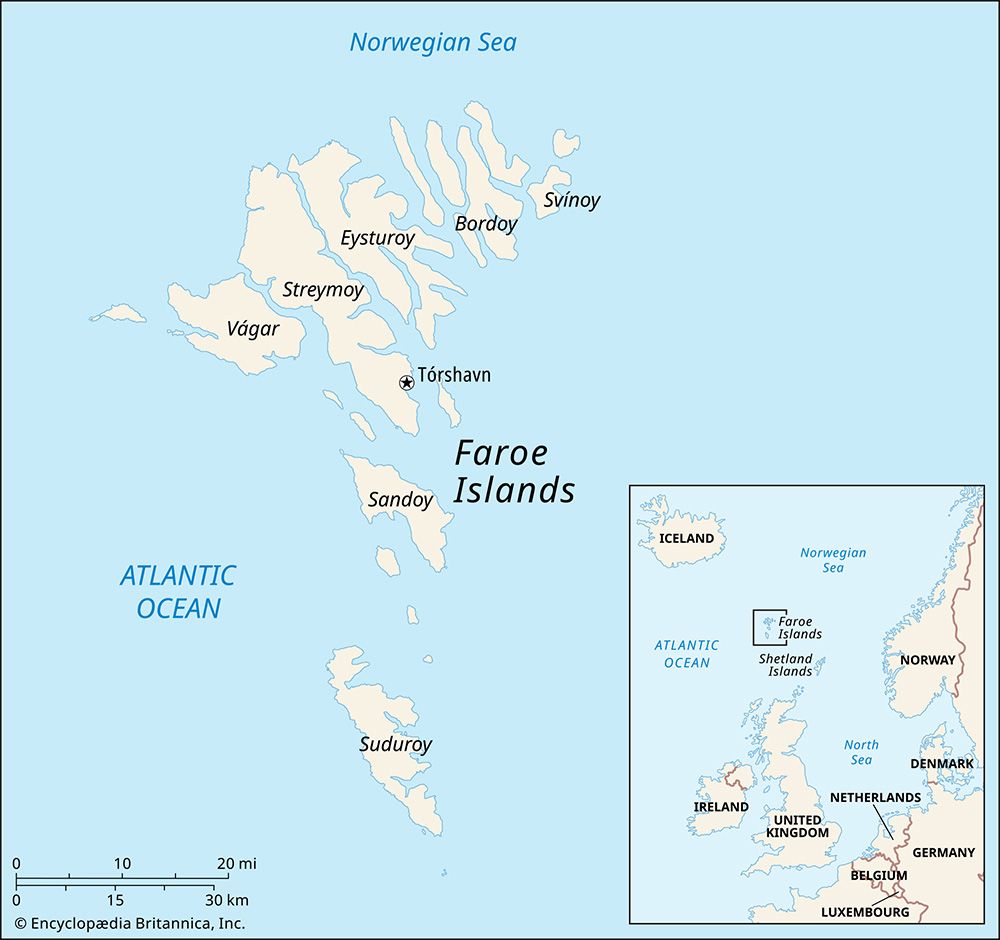
The islands, which are a self-governing division of the kingdom of Denmark, currently maintain a population density of 102.8 people per square mile. About one-fourth of the total population resides in the capital, Tórshavn, while the remainder live in small coastal settlements.12
What is the cultural heritage and language of the Faroese people?
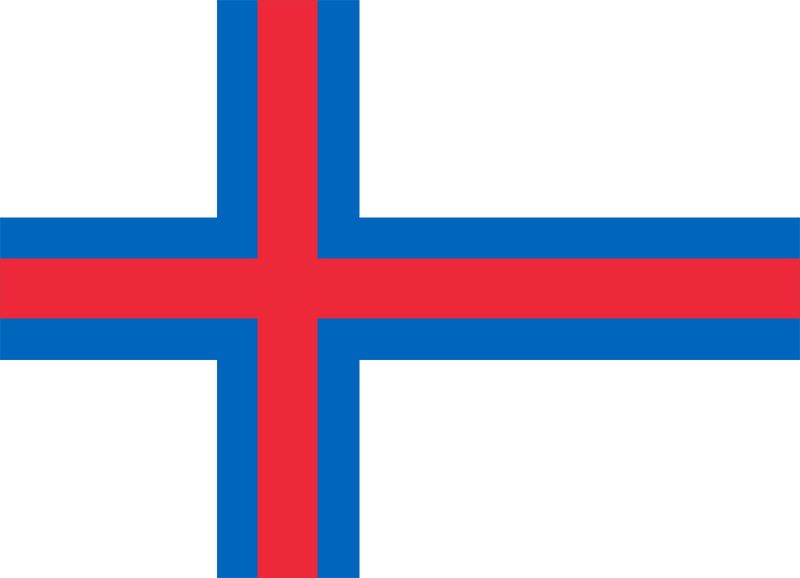
The cultural heritage of the Faroese people is deeply rooted in their Scandinavian origins, tracing back to Norwegian Vikings who colonized the islands around 800 CE. This heritage is expressed through a rich tradition of oral literature, which served as the foundation for modern Faroese nationalism in the 19th century. Traditional dance ballads, often centered on legendary figures like Siegfried, remain a significant component of this cultural legacy.324
The Faroese language is a central pillar of this identity. Belonging to the West Scandinavian group of North Germanic languages, it is closely related to Icelandic and preserves many characteristics of Old Norse. Although Danish was the official language for centuries, a written Faroese orthography was established in 1846 by the linguist Venceslaus Ulricus Hammershaimb. Following the establishment of home rule in 1948, Faroese gained status as an official language and is now used in all areas of social life.24
Modern Faroese literature, which flourished during the 20th century, continues to interpret the essence of Faroese culture through poetry, novels, and short stories that explore both local village life and international themes.4
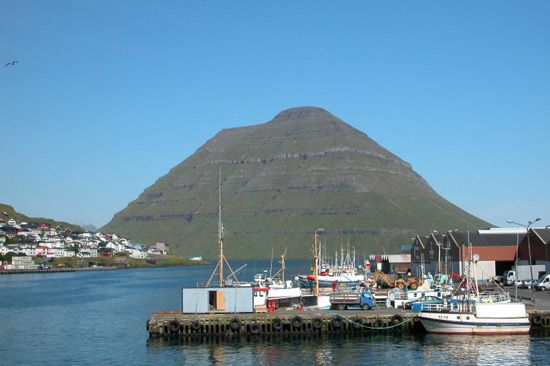
How did the Faroe Islands form, and what is their geological history?
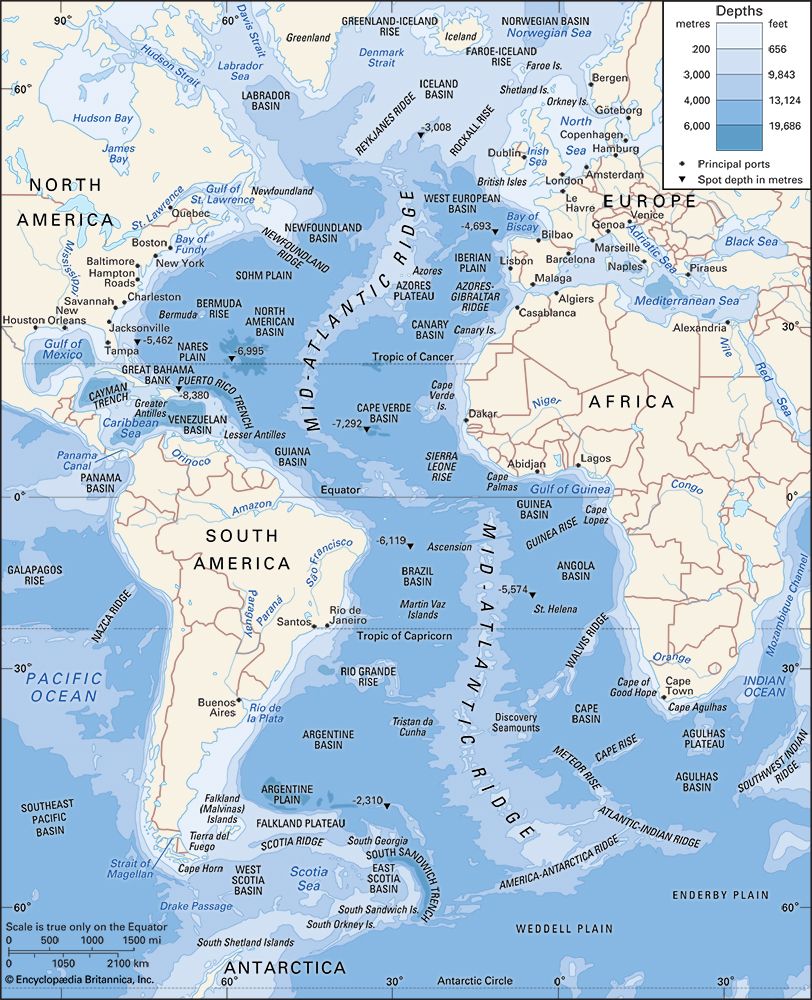
The Faroe Islands are primarily composed of volcanic rocks, which were formed approximately 60 to 50 million years ago during the Cenozoic Era. These igneous extrusions occurred contemporaneously with the rifting and seafloor spreading that led to the formation of the Atlantic Ocean.25
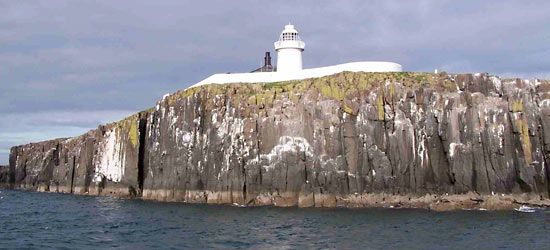
Geologically, the islands represent part of a faulted and thinned continental margin in northwestern Europe. The landscape is characterized by high, rugged terrain with perpendicular cliffs and flat summits, separated by narrow ravines. The coasts are deeply indented with fjords, which are U-shaped valleys carved by glacial activity and subsequently partially drowned by the ocean.526
Today, the islands are covered by a thin layer of moraine or peat soil, and their natural vegetation is limited to moss, grass, and mountain bog due to the cool climate and strong winds. The islands remain a testament to these ancient volcanic processes and the subsequent shaping forces of Pleistocene glaciation2.27
What are the main industries and economic activities in the Faroe Islands?
The economy of the Faroe Islands has undergone a significant transformation since 1900, shifting from a traditional agricultural base to one centered on modern industrial activities.
Primary Economic Sectors
- Fishing and Related Industries: This is the cornerstone of the Faroese economy. The sector focuses heavily on the export of frozen and dried cod. While the industry faced a severe crisis in the early 1990s due to overfishing, it remains the primary driver of economic activity.2
- Agriculture: Historically centered on sheep raising, agriculture now plays a secondary role. Sheep farming continues, and wool is utilized in a small, home-based spinning and knitting industry. Cultivation is limited, with grass for sheep serving as the main crop.2
- Emerging Sectors: The islands have looked toward the economic potential of offshore oil drilling to diversify their industrial base.2
- Traditional Practices: Activities such as fowling, which were once vital for survival, continue as supplements to the modern economy.2
Trade and Infrastructure
The islands rely on the import of fuels, basic manufactures, and transport equipment. Tórshavn serves as the main harbour, facilitating regular shipping services with Denmark, Iceland, and the Shetland Islands.2
Sources
- Faroe Islands: Country Facts — Encyclopædia Britannica
- Faroe Islands — Encyclopædia Britannica
- Faroese language — Encyclopædia Britannica
- Faroese literature — Encyclopædia Britannica
- Europe - Cenozoic igneous provinces — Encyclopædia Britannica
- Faeroe Islands — Merriam-Webster
- glacial landform - Erosional landforms of continental glaciers — Encyclopædia Britannica
- Europe - Pleistocene glaciation — Encyclopædia Britannica
Published on · 3 min read