Fig Tree Microfossils
Fig Tree microfossils are an assemblage of microscopic structures found within the Fig Tree Series, a geological rock layer located in South Africa that…
What is Fig Tree microfossils?
Fig Tree microfossils are an assemblage of microscopic structures found within the Fig Tree Series, a geological rock layer located in South Africa that dates back at least three billion years.1
These fossils are significant because they represent some of the oldest known organisms on Earth. Discovered in the 1960s, the assemblage includes:1
- Eobacterium isolatum: A rod-shaped bacterium.1
- Archaeosphaeroides barbertonensis: A blue-green algalike spheroid.1
The discovery of these microfossils provides critical evidence that life originated from chemical matter significantly earlier than three billion years ago, offering a window into the early history of biological evolution on our planet.1
How do scientists determine the age of ancient fossils?
Scientists determine the age of ancient fossils and rocks using geochronology, which employs both relative and absolute dating methods.23
Relative Dating
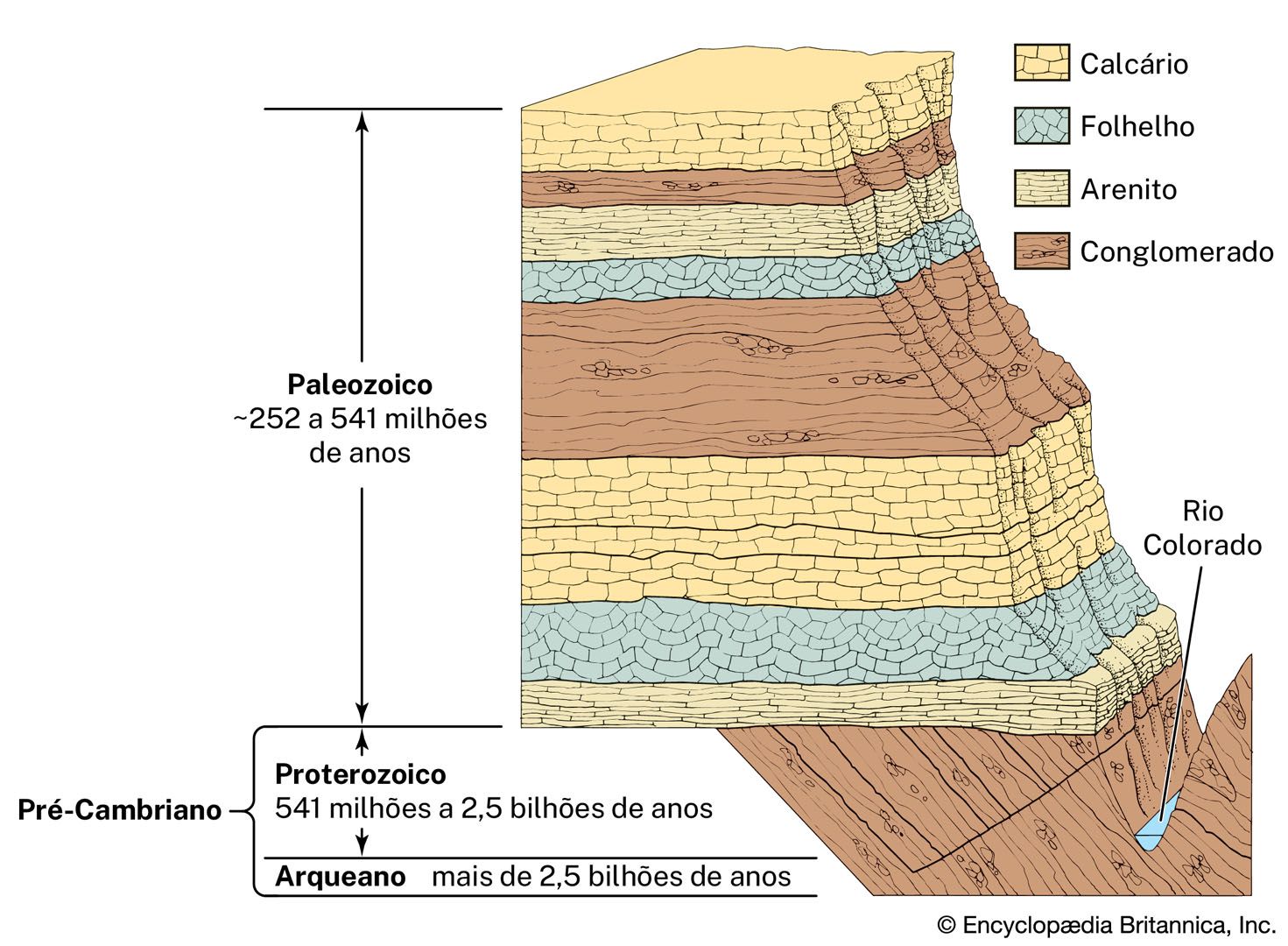
Relative age is determined through biostratigraphy, the study and arrangement of fossils within sedimentary rock strata. According to the principle of superposition, the oldest rock layers are at the base, with progressively younger layers above them. By identifying and correlating the specific fossil species found in these layers, scientists can establish a relative geologic time scale.43
Absolute Dating
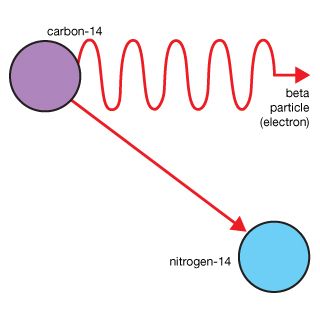
Absolute dating provides numerical ages by measuring the decay of radioactive isotopes. This process relies on the fact that radioactive parent atoms decay into stable daughter atoms at a constant, immutable rate, expressed as a half-life.2356
- Radiometric Dating: Scientists measure the ratio of parent to daughter isotopes in a sample. Common methods include uranium-lead dating, which is highly precise for very old materials.265
- Carbon-14 Dating: Used for organic materials, this method measures the decay of carbon-14 and is effective for specimens up to approximately 50,000 years old.75
What are the characteristics of the earliest life forms on Earth?
The earliest life forms on Earth, which emerged approximately 3.5 billion years ago, were simple, single-celled organisms known as prokaryotes. These organisms lacked a distinct nucleus and internal membranes, yet they possessed the fundamental ability to perform metabolism and self-replicate.91011
Key characteristics of these early life forms include:
- Metabolic Diversity: Early life included both heterotrophs, which relied on preformed nutrients in their environment, and photosynthesizers, such as blue-green algae (cyanobacteria). Some species also utilized methane cycling for their metabolic processes.121011
- Environmental Resilience: Because Earth’s early atmosphere lacked an ozone layer, these organisms were relatively resistant to ultraviolet radiation.10
- Structural Forms: Evidence of these organisms is found in microfossils (such as spherical or filamentous carbonaceous structures) and stromatolites, which are layered mats formed by microbial communities.910
- Biochemical Asymmetry: Like all life, these organisms exhibited optical activity, utilizing specific “handedness” in their molecular building blocks, such as amino acids.13
These primitive organisms were the dominant life forms on Earth for over a billion years before the emergence of more complex eukaryotes.10
Why is the Precambrian period important for studying evolution?
The Precambrian period is fundamental to the study of evolution because it encompasses over 80 percent of Earth’s geologic history, documenting the origin and early development of life.15
While it was once assumed that life began during the Cambrian Period, research into Precambrian rocks has revealed that primitive life-forms existed as early as 3.5 billion years ago. This era provides the essential record for several evolutionary milestones:15
- Early Life: The period contains the earliest evidence of life, including microfossils of algae, flagellates, and stromatolites.15
- Biological Complexity: During the late Precambrian, the first multicellular organisms evolved, and the process of sexual reproduction developed.15
- Foundational Conditions: By the end of the Precambrian, these evolutionary advancements established the biological and environmental conditions necessary for the Cambrian explosion, which marked a rapid diversification of life at the start of the Phanerozoic Eon.15
Sources
- Fig Tree microfossils — Encyclopædia Britannica
- dating: Top Questions — Encyclopædia Britannica
- biostratigraphy — Merriam-Webster
- carbon-14 dating — Encyclopædia Britannica
- geochronology — Encyclopædia Britannica
- Did you know? — Merriam-Webster
- dating - Origin of radioactive elements used — Encyclopædia Britannica
- dating - Principles of isotopic dating — Encyclopædia Britannica
- geologic history of Earth - Formation of the secondary atmosphere — Encyclopædia Britannica
- Precambrian - Climatic conditions — Encyclopædia Britannica
- Precambrian - Precambrian life — Encyclopædia Britannica
- Precambrian - Microfossils and stromatolites — Encyclopædia Britannica
- life - The earliest living systems — Encyclopædia Britannica
- abiogenesis — Encyclopædia Britannica
- Precambrian — Encyclopædia Britannica
Published on · 3 min read