Fire-bellied Toad
The fire-bellied toad (Bombina) is a small amphibian belonging to the family Bombinatoridae, known for the striking orange or red and black markings on its…
What is fire-bellied toad?
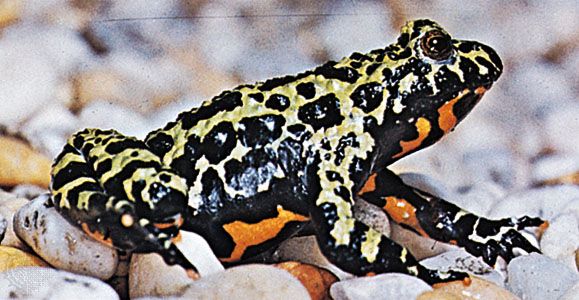
The fire-bellied toad (Bombina) is a small amphibian belonging to the family Bombinatoridae, known for the striking orange or red and black markings on its underside. These creatures typically have a grayish body and reach about 5 centimeters (2 inches) in length.12
When threatened, these toads exhibit a defensive behavior known as the “unken reflex.” They arch their head and limbs to expose their brightly colored abdomen, which serves as a warning to predators that their skin is poisonous. The genus includes several species found across Europe and Asia, all of which are pond dwellers that breed in water. Their tadpoles are notable for their rapid development, often completing metamorphosis in under 45 days.1
What is the unken reflex?
The unken reflex is a defensive behavior exhibited by the fire-bellied toad when it feels threatened. During this reaction, the toad arches its head and limbs over its back, raising its forearms to expose the bright orange or red markings on its abdomen while resting on its curved belly.1
This behavior serves as a form of aposematism, a biological strategy where an organism uses conspicuous signals—such as bright, contrasting colors—to warn potential predators that it is toxic or distasteful. By displaying these vibrant colors, the toad effectively communicates its poisonous nature, discouraging predators from attacking and thereby avoiding the risk of injury that could occur during a physical confrontation.341
How do amphibians protect themselves from predators?
Amphibians employ a diverse range of strategies to protect themselves from predators, primarily relying on physical modifications, behavioral adaptations, and chemical defenses.
Physical and Behavioral Adaptations
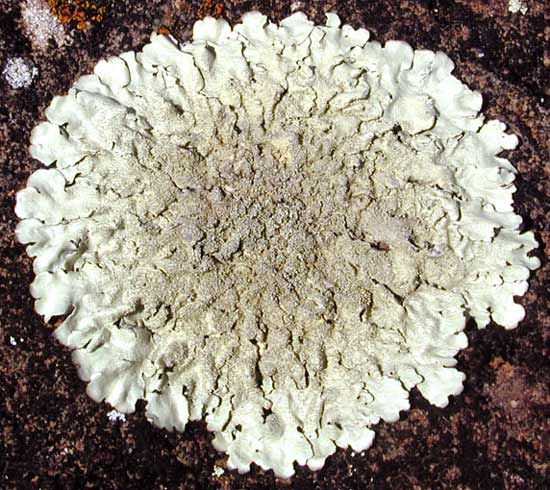
Many amphibians, particularly those that are not toxic, rely on camouflage to escape detection. They use modifications in shape, skin texture, and color to blend into their surroundings. For example, some tree frogs resemble lichens when resting on tree trunks, while others have flattened bodies that mimic leaf litter on the forest floor.5
Behavioral strategies are also common. Many species utilize “flash colors”—bright patterns on hidden areas like the belly or thighs—that are revealed suddenly when the animal moves, potentially confusing a predator. Others may use posturing, such as elevating the rump to display “eyespots” that make the animal appear larger or more intimidating.5
Chemical Defenses and Aposematism
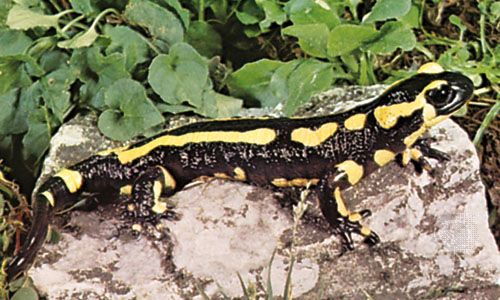
All amphibians possess poison glands in their skin, which produce secretions ranging from mild irritants to potent neurotoxins. Species that are highly toxic often exhibit aposematism, using brilliant, contrasting colors to warn predators of their toxicity. This strategy is effective because it allows the predator to recognize and avoid the prey, preventing injury to both parties. Some non-poisonous species gain protection by mimicking the appearance of these toxic models.673
What is the difference between a toad and a frog?
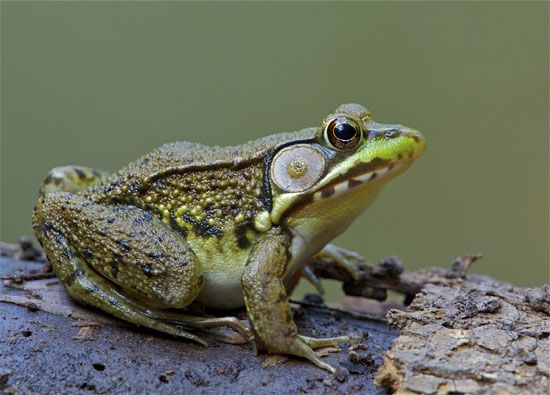
While many people attempt to distinguish between frogs and toads, there is no strict taxonomic basis for these labels. Both creatures are tailless amphibians belonging to the order Anura, and biologically, all toads are considered a type of frog.11
However, observers often use superficial physical and behavioral traits to categorize them:
- Skin: Frogs typically have smooth, moist skin, whereas toads generally possess dry, rough, and bumpy skin.1112
- Habitat: Because their skin requires more moisture, frogs are frequently found near bodies of water. Toads are often better at retaining moisture, allowing them to thrive in environments further from ponds or streams.11
- Legs and Movement: Frogs often have long, powerful hind legs adapted for leaping and swimming. Toads tend to have shorter hind legs, giving them a squat appearance; they often move by taking small hops or even walking.1112
Because these categories are “wobbly” and based on variable traits, some species may be referred to by both names depending on the region or the observer.11
Sources
- fire-bellied toad — Encyclopædia Britannica
- fire-bellied toad — Merriam-Webster
- aposematism — Encyclopædia Britannica
- aposematism — Merriam-Webster
- frog and toad - Coloration — Encyclopædia Britannica
- frog and toad - Skin toxins — Encyclopædia Britannica
- Caudata - Skin and external features — Encyclopædia Britannica
- Avoidance behaviour - Protection reflexes, armour, and spines — Encyclopædia Britannica
- reptile - Avoidance and noise — Encyclopædia Britannica
- Chemoreception - Predator chemical cues and prey escape — Encyclopædia Britannica
- What’s the Difference Between a Frog and a Toad? — Encyclopædia Britannica
- frog and toad - Size range and diversity of structure — Encyclopædia Britannica
- frog and toad - From tadpole to adult — Encyclopædia Britannica
Published on · 3 min read