Florida Keys
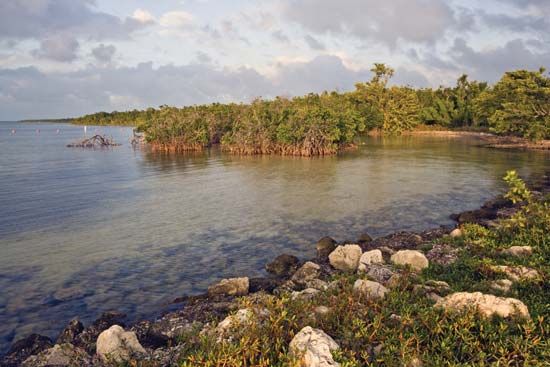
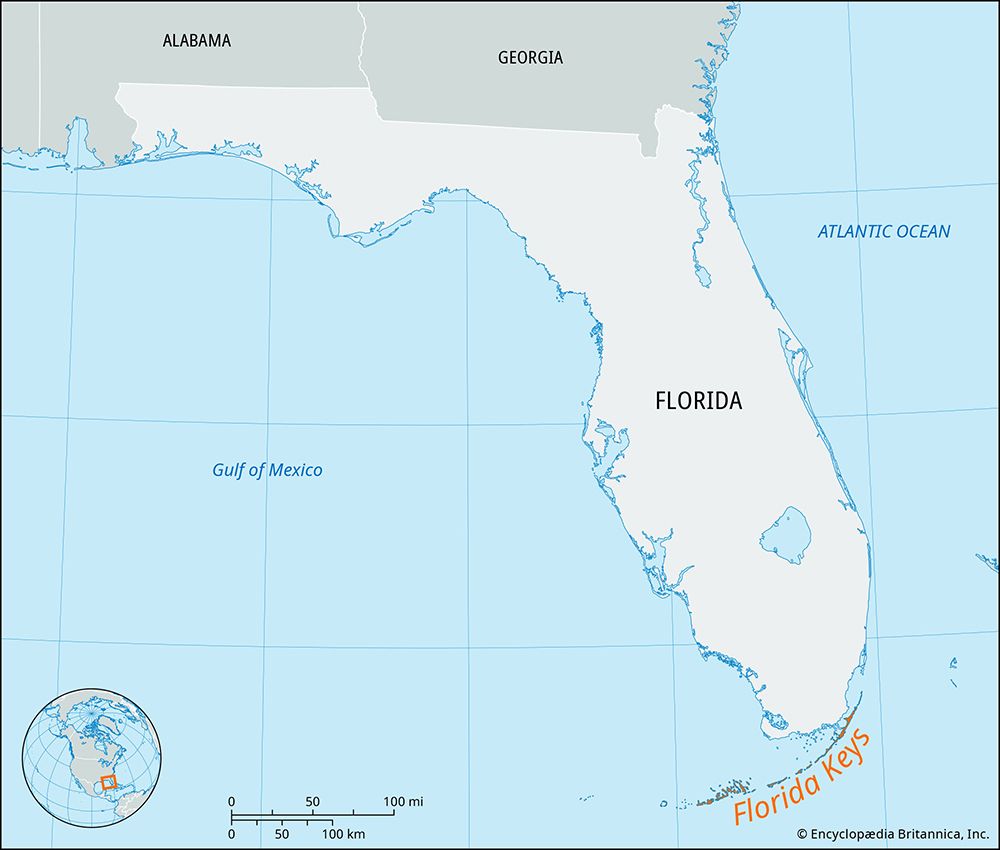
The Florida Keys offer a wealth of activities centered on their unique marine environment and rich history. Visitors can explore the archipelago via the…
What are some of the most popular tourist attractions and activities in the Florida Keys?
The Florida Keys offer a wealth of activities centered on their unique marine environment and rich history. Visitors can explore the archipelago via the Overseas Highway, a scenic route featuring 42 bridges connecting the islands.12
Nature and Marine Activities
- Coral Reefs: John Pennekamp Coral Reef State Park on Key Largo is the first undersea park in the U.S., offering opportunities to view living coral formations. Biscayne National Park also provides boat access for viewing reefs and sea grass beds.13
- Wildlife: Visitors can explore Bahia Honda State Park for beach recreation or visit refuges like the Great White Heron National Wildlife Refuge and the habitat for the endangered key deer on Big Pine Key.1
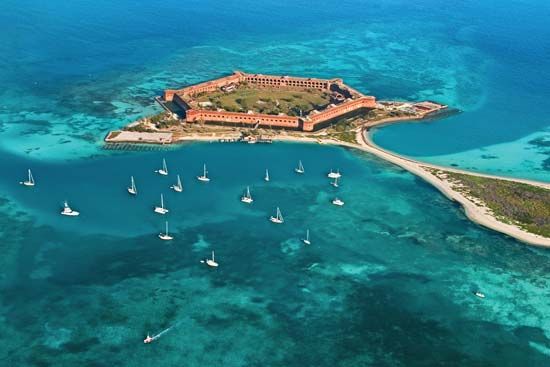
- National Parks: Beyond Biscayne, Dry Tortugas National Park features the historic Fort Jefferson.12
Cultural and Historical Sites
- Key West: This city is famous for its 19th-century architecture, the Ernest Hemingway House, and the John James Audubon house. Museums such as the Mel Fisher Maritime Museum and the Wreckers’ Museum highlight the region’s maritime history.2
What is the significance of the Overseas Highway in connecting the Florida Keys?
The Overseas Highway is vital to the Florida Keys as it serves as the primary transportation artery connecting the archipelago to the Florida mainland. Spanning 113 miles and incorporating 42 bridges, it is one of the longest overwater roads in the world.45
Its significance is rooted in its history as a repurposed infrastructure project. The highway was constructed over the route of the Florida East Coast Railway, which was originally completed in 1912 by Henry M. Flagler to link the mainland to the deepwater port of Key West. After the devastating Labor Day hurricane of 1935 destroyed 40 miles of the railway, the state of Florida purchased the damaged tracks and converted them into a road for vehicle traffic.541
Opened in 1938, the highway restored essential connectivity to the middle and lower keys, facilitating the growth of the region’s tourism and agriculture industries. Today, it remains an engineering marvel and a critical link for both residents and visitors traveling through the island chain.54
How does the economy of the Florida Keys differ from mainland Florida, and what are its main industries?
The economy of the Florida Keys is distinct from mainland Florida due to its heavy reliance on a narrow range of industries shaped by its unique island geography. While the mainland economy is broad—driven by services, retail trade, construction, and a significant manufacturing sector that includes electronics and transportation equipment—the Keys’ economy is primarily anchored by tourism and commercial fishing.16
Key Economic Differences
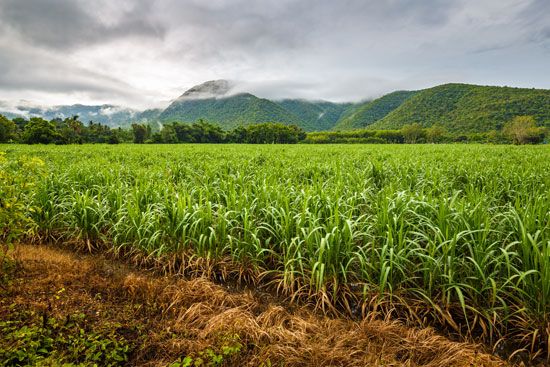
- Industry Diversity: Mainland Florida has a diversified economy that includes large-scale corporate agriculture (such as sugarcane and citrus production), forestry, and advanced manufacturing. In contrast, the Keys lack the land mass for large-scale agriculture or industrial manufacturing, focusing instead on activities that leverage their marine environment.671
- Economic Drivers: While tourism is the largest single portion of the entire state’s economy, it is the absolute foundation of the Keys’ local economy, supported by extensive resort development and a constant influx of visitors.16
- Historical Context: The Keys’ economy has historically been tied to maritime activities like salvaging shipwrecks and fishing, whereas the mainland’s modern growth was spurred by 20th-century real estate booms and service-sector expansion.162
What is the historical significance of the Florida Keys, particularly in relation to early Spanish exploration and settlement?
The historical significance of the Florida Keys in relation to early Spanish exploration is defined by their strategic location along vital maritime routes.
- Early Exploration: The Spanish explorer Juan Ponce de León visited the island chain in 1513 during his initial voyage to the Florida peninsula. He is also credited with being the first to record sailing through the Straits of Florida, the critical passage between the Keys and Cuba that connects the Gulf of Mexico to the Atlantic Ocean.12
- Naming and Settlement: The Spanish influence is preserved in the name of Key West, which is an English corruption of Cayo Hueso (“Bone Islet”). Spanish explorers gave it this name after discovering human remains on the island.8
- Indigenous Context: Before European arrival, the islands were inhabited by Native American peoples, including the Calusa and Tequesta, who maintained complex relationships with the environment and, eventually, with the encroaching Spanish presence.19
While the Spanish crown later granted land on the islands to individuals like Juan Pablo Salas in 1815, permanent settlement did not truly take hold until after the United States established control in the 1820s.810
Sources
- Florida Keys — Encyclopædia Britannica
- Key West — Encyclopædia Britannica
- Biscayne National Park — Encyclopædia Britannica
- Seven Mile Bridge: Top Questions — Encyclopædia Britannica
- Seven Mile Bridge — Encyclopædia Britannica
- Florida - Economy — Encyclopædia Britannica
- Florida - Agriculture, forestry, and fishing — Encyclopædia Britannica
- Florida - Exploration and settlement — Encyclopædia Britannica
- Florida - Population composition — Encyclopædia Britannica
- Straits of Florida — Encyclopædia Britannica
Published on · 4 min read