Garden Spider
Garden spiders, particularly orb weavers, are renowned for constructing intricate, circular webs to capture prey. The process begins with the spider…
How do garden spiders build and use their webs for hunting?
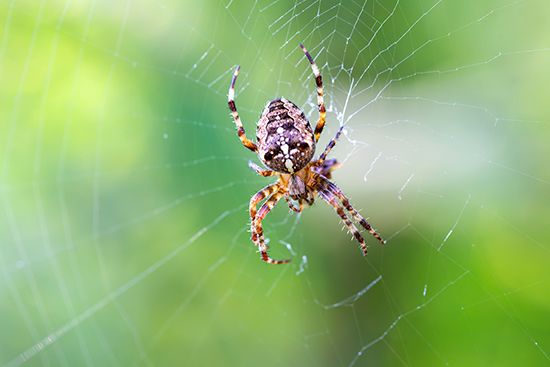
Garden spiders, particularly orb weavers, are renowned for constructing intricate, circular webs to capture prey. The process begins with the spider releasing a silk thread into the wind; once it attaches to a surface, the spider reinforces this “bridge” and creates a central hub with radial spokes extending outward. After establishing this framework, the spider weaves a temporary spiral of dry silk, which it later replaces with a dense, sticky spiral designed to ensnare flying insects.12
To hunt, these spiders often remain at the hub, sensing vibrations or tension in the spokes to locate trapped prey. Some species attach a signal thread from the hub to a nearby leaf, allowing them to detect when an insect has contacted the web. Once prey is caught, the spider typically wraps it in silk before biting it. Because the sticky silk can dry out or sustain damage, many spiders regularly repair or rebuild their webs to maintain their effectiveness.123
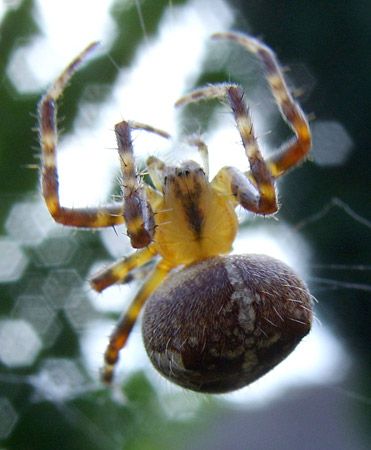
What are the distinctive physical characteristics of garden spiders?
The term “garden spider” refers to several distinct species within the orb weaver family (Araneidae), each characterized by specific physical markings and significant sexual dimorphism.892
Distinctive Physical Characteristics
- Cross Spider (Araneus diadematus): This species is easily identified by white markings on its abdomen that form the shape of a cross.92
- Black and Yellow Garden Spider (Argiope aurantia): Also known as the “writing spider,” this species features vivid yellow and black markings on its abdomen against a dark gray or black background.92
- Banded Garden Spider (A. trifasciata): As the name suggests, this species is noted for the distinct bands on its abdomen.9
Sexual Dimorphism
Across these species, females are significantly larger than males, a common trait in many spiders. In some orb weavers, females can be at least twice the size of their male counterparts. This size difference is an evolutionary adaptation; while larger size favors fecundity in females, the smaller size of males allows them to be more agile when building and traversing the silk “bridges” used during web construction.8
How do garden spiders differ from other types of arachnids?
Garden spiders, which belong to the orb weaver family (Araneidae), share the fundamental traits of all spiders but distinguish themselves from other arachnids through their specialized anatomy and behavior.
Anatomical Distinctions
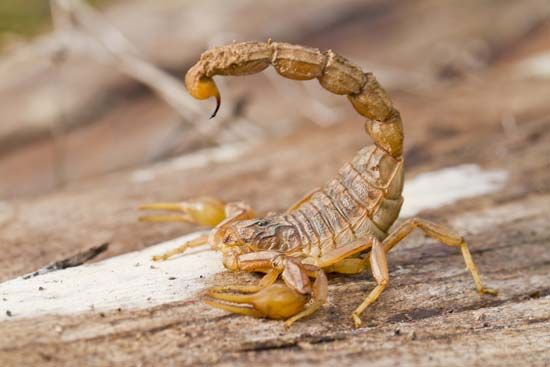
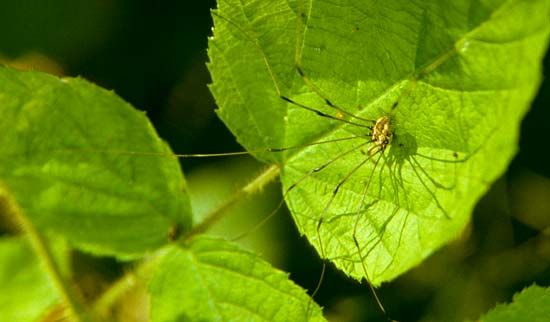
Like all spiders, garden spiders possess a body divided into two main sections: the cephalothorax and the abdomen, connected by a narrow stalk called the pedicel. This structure differs from many other arachnids, such as daddy longlegs or mites, which may have fused body segments or lack this distinct waist. Furthermore, garden spiders possess spinnerets, specialized organs used to produce silk, a feature absent in many other arachnid orders like tailless whip scorpions.913
Behavioral and Functional Differences
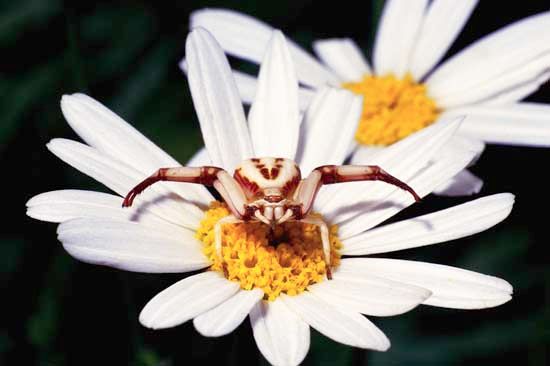
While many arachnids are predators, garden spiders are uniquely adapted for building elaborate, circular orb webs. This behavior is not universal among spiders—only about half of all spider species construct webs to capture prey. Garden spiders utilize these webs as an efficient “air filter” to trap flying insects, a hunting strategy that contrasts with the active hunting of wolf spiders or the ambush tactics of crab spiders.1413
What are some common species of garden spiders found around the world?
“Garden spider” is a common name applied to several species within the orb weaver family (Araneidae). These spiders are widely distributed and are frequently found in grassy areas and gardens, where they construct their characteristic wheel-shaped webs.91510
Common species include:
- Cross Spider (Araneus diadematus): A widely distributed species throughout the Northern Hemisphere, it is easily identified by the white, cross-shaped markings on its abdomen.917
- Black and Yellow Garden Spider (Argiope aurantia): Often called the “writing spider,” this North American species is known for its vivid yellow and black abdominal markings against a dark background.91718
- Banded Garden Spider (A. trifasciata): Also common in North America, this species is distinguished by the prominent bands on its abdomen.9
These spiders are part of a large and diverse group of over 2,840 species of orb weavers. While these specific spiders are frequently encountered in gardens, the broader family includes various other genera, such as Eriophora and Parawixia, some of which are large enough to prey on small vertebrates like bats.1519
Sources
- How do spiders make circular webs? — Encyclopædia Britannica
- spider - Spiderwebs — Encyclopædia Britannica
- curtain-web spider: Top Questions — Encyclopædia Britannica
- purseweb spider: Top Questions — Encyclopædia Britannica
- sound reception - Behavioral evidence — Encyclopædia Britannica
- Types of Spiderwebs — Encyclopædia Britannica
- spider — Encyclopædia Britannica
- spider - Size range — Encyclopædia Britannica
- garden spider — Encyclopædia Britannica
- garden spider — Merriam-Webster
- Reproductive behaviour - Arachnids — Encyclopædia Britannica
- Joro spider: Top Questions — Encyclopædia Britannica
- spider - External features — Encyclopædia Britannica
- list of arachnids — Encyclopædia Britannica
- orb weaver — Encyclopædia Britannica
- spider: Top Questions — Encyclopædia Britannica
- Argiope — Merriam-Webster
- orb weaver — Merriam-Webster
- spider - Importance — Encyclopædia Britannica
Published on · 4 min read