Garryales
Sorry, the Britannica knowledge base does not contain information regarding the specific historical identification or the etymological origin of the name for…
How was the Garryales order first identified and named?
Sorry, the Britannica knowledge base does not contain information regarding the specific historical identification or the etymological origin of the name for the Garryales order.
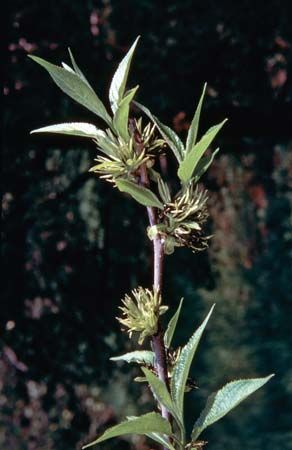
Are there any specific ecological roles that Garryales plants play in their environments?
Plants within the order Garryales exhibit distinct ecological traits, though their roles are primarily defined by their reproductive strategies and chemical defenses.
- Reproductive Strategies: Members of the order are woody and dioecious, meaning they have separate male and female plants. Eucommia ulmoides is specifically noted as a wind-pollinated tree, utilizing winged fruits (samaras) for dispersal, which superficially resemble those of the elm tree.12
- Chemical Defenses: Some species in the genus Garrya produce highly toxic alkaloids. These compounds serve as a significant chemical defense mechanism, sharing similarities with toxins found in unrelated plants like monkshood and larkspur.1
- Conservation Status: Eucommia ulmoides is currently listed as near-threatened in the wild, largely due to overharvesting for its medicinal bark and latex, which contains gum used in various industrial applications.12
While these plants are valued for their ornamental qualities and medicinal properties, their ecological interactions—such as specific pollinator relationships or roles in food webs—are less documented in current botanical literature.
What are the main characteristics of plants in the Garryales order?
The order Garryales is a small group of flowering plants comprising 18 species divided into two families: Garryaceae and Eucommiaceae. These plants are classified within the asterid clade, specifically at the base of the euasterid I group.
Key Characteristics
- Growth Habit: All members of the order are woody plants and are dioecious, meaning they possess distinct male and female individuals.
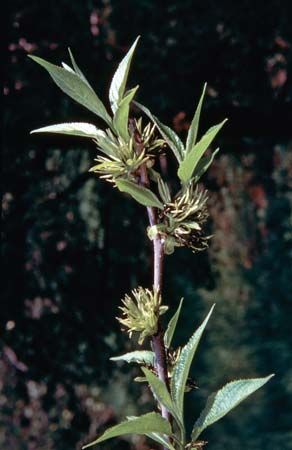
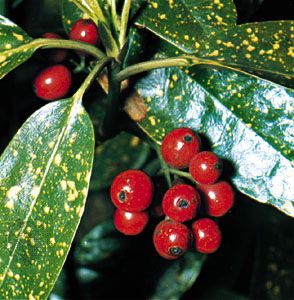
- Garryaceae: This family consists of evergreen shrubs and trees characterized by opposite, nonstipulate leaves that are joined at the base. Their flowers feature an inferior ovary and produce berry fruits. The family includes the genus Garrya, known for producing toxic alkaloids, and the genus Aucuba, which includes the popular Japanese laurel.
- Eucommiaceae: This family contains only one species, the hardy rubber tree. It is a wind-pollinated tree with spirally arranged, toothed leaves. A unique feature is the presence of latex cells that produce strands of gum when leaves are torn.
Where are Garryales plants typically found in nature?
Plants in the order Garryales are found in diverse geographic regions depending on their specific family and genus:
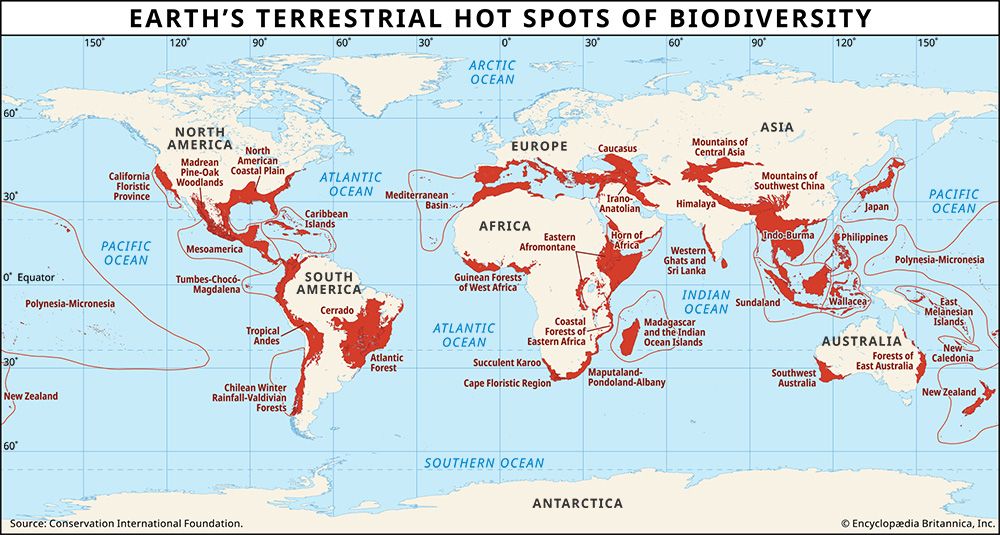
- Garryaceae: This family is split between two distinct regions. The genus Garrya is native to western North America, Central America, and the West Indies. The genus Aucuba, which includes the Japanese laurel, is native to East Asia.1
- Eucommiaceae: This family consists of a single species, the hardy rubber tree (Eucommia ulmoides), which is native to the temperate regions of central and eastern China. While it is considered near-threatened in its native habitat due to overharvesting, it is widely cultivated elsewhere for its medicinal bark and industrial uses.12
Sources
- Garryales — Encyclopædia Britannica
- Eucommiaceae — Encyclopædia Britannica
- Eucommia — Merriam-Webster
- Garryaceae — Merriam-Webster
- Garrya — Merriam-Webster
Published on · 2 min read