Monkshood
Monkshood refers to a genus of over 200 species of showy perennial herbs belonging to the buttercup family (Ranunculaceae). These plants are native to the…
What is monkshood and why is it called by that name?
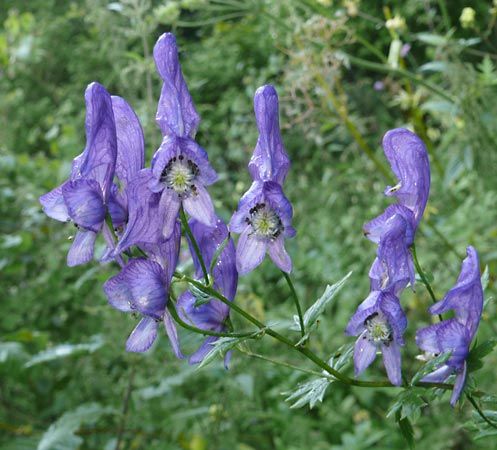
Monkshood refers to a genus of over 200 species of showy perennial herbs belonging to the buttercup family (Ranunculaceae). These plants are native to the north temperate zone and are characterized by their spikelike clusters of flowers, which are typically purple or blue.1
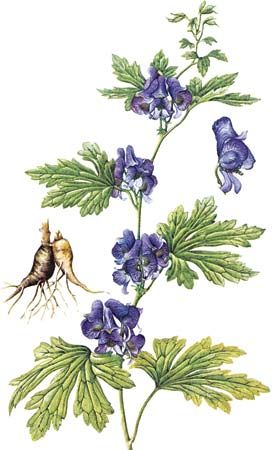
The plant derives its common name from the distinctive shape of its flowers, which feature a hooded sepal that resembles the cowl or hood worn by a monk. It is also occasionally referred to as “friar’s cap” for the same reason.12
It is important to note that while some species are cultivated as ornamental garden plants, all members of the genus Aconitum are extremely poisonous, as they contain the powerful toxin aconitine. Historically, this poison was used in ancient times on criminals, though it has also been utilized in minute, controlled amounts in traditional medicine to treat conditions like neuralgia or to reduce fever.13
Are there any medicinal uses for monkshood despite its toxicity?
Despite its extreme toxicity due to the presence of the powerful poison aconitine, monkshood (Aconitum) has been utilized in traditional medicine.
Historically, the common monkshood (A. napellus) has served as a source for medicinal preparations. When administered in minute, carefully controlled amounts, it has been used for the following purposes:
While these applications exist within historical and traditional contexts, it is vital to recognize that all species in the genus are considered highly dangerous. The same substance was historically used as a poison for criminals, underscoring the severe risks associated with the plant.1
What are the different species of monkshood, and how do they vary?
The genus Aconitum, commonly known as monkshood, comprises more than 200 species of perennial herbs. While they share a common family (Ranunculaceae) and the presence of the potent toxin aconitine, they exhibit variations in their cultivation and geographic origins.1
Several species are frequently cultivated as ornamental garden plants, including:
- Common monkshood (A. napellus): Also called friar’s cap, this species is native to mountain slopes ranging from Europe to the Himalayas. It is historically significant as the primary source of medicinal aconite.1
- Carmichael’s monkshood (A. carmichaelii): A species often grown for its showy appearance in garden settings.1
- ‘Sparks variety’ monkshood (A. henryi): Another popular cultivar valued for its ornamental qualities.1
- Southern blue monkshood (A. uncinatum): A species noted for its distinct coloration.1
While these species vary in their specific habitats and horticultural uses, they generally share characteristic fingerlike, lobed leaves and spikelike clusters of hood-shaped flowers, which are typically purple or blue, though some may appear yellow or white.1
Why is monkshood also known as wolfsbane?
Monkshood is commonly referred to as wolfsbane because of its historical use as a poison to kill wolves. The term reflects the plant’s long-standing reputation as a lethal substance, particularly due to the presence of the potent toxin aconitine found throughout the genus Aconitum.67
While the name “monkshood” describes the appearance of the plant’s hood-shaped flowers, the name “wolfsbane” highlights its historical application as a lethal agent. This association with toxicity is so significant that the plant has also been historically linked to other names reflecting its dangerous nature, such as “foxbane” when referring to specific species like Aconitum lycoctonum.2
Sources
- monkshood — Encyclopædia Britannica
- monkshood — Merriam-Webster
- wild monkshood — Merriam-Webster
- list of plants in the family Ranunculaceae — Encyclopædia Britannica
- aconite — Encyclopædia Britannica
- wolfsbane — Merriam-Webster
- foxbane — Merriam-Webster
Published on · 3 min read