Ginger Lily
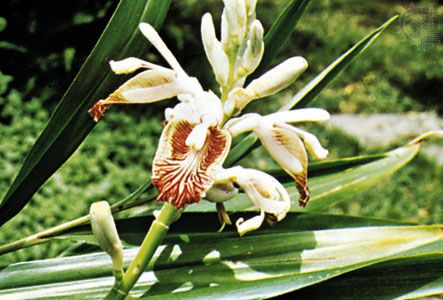
The ginger lily belongs to the genus Hedychium, which comprises approximately 70 species of flowering plants. It is a member of the ginger family, known…
What is the scientific name of the ginger lily plant, and which plant family does it belong to?
The ginger lily belongs to the genus Hedychium, which comprises approximately 70 species of flowering plants. It is a member of the ginger family, known scientifically as Zingiberaceae.12
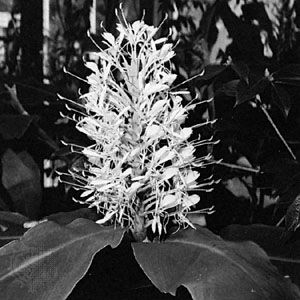
These plants are primarily native to tropical and subtropical regions of Asia and Africa. They are characterized by their fleshy rhizomes and sweetly scented flowers, which are often used in garlands and other decorative arrangements. While many species are cultivated as ornamentals, some, such as the Kahili ginger (H. gardnerianum), are considered aggressive invasive species in certain environments.12
Do ginger lily plants have any cultural or symbolic significance in different parts of the world?
Ginger lily plants hold cultural significance primarily through their use in traditional practices and decorative customs. In Hawaii, species such as the white ginger lily (Hedychium coronarium) and the yellow butterfly ginger (Hedychium flavum) are frequently incorporated into leis, which are traditional garlands given as symbols of affection, greeting, or celebration.1
Beyond their decorative roles, certain species are valued for their functional properties. The spiked ginger lily (Hedychium spicatum), noted for its heavily perfumed flowers, is utilized in Ayurvedic medicine and other traditional healing systems. The genus name itself, Hedychium, reflects the plant’s aesthetic appeal; it is derived from the Greek words for “sweet” and “snow,” a reference to the fragrant white flowers produced by many species in the group.13
While these plants are cherished for their beauty and utility, it is important to note that some, such as the Kahili ginger (Hedychium gardnerianum), have become aggressive invasive species in regions outside their native Himalayan range, posing challenges to local ecosystems.1
Are ginger lily plants considered invasive in any regions, and if so, why?
Yes, certain ginger lily species are considered highly aggressive invasive species when introduced to regions outside their native habitats, such as the Himalayas.1
The Kahili ginger (Hedychium gardnerianum) is a primary example of this, having become a significant invasive threat in Hawaii and other locations. The plant’s ability to spread effectively is a key factor in its invasiveness. Ginger lilies possess several reproductive advantages that allow them to colonize new areas rapidly:1
- Rhizomatous Spread: They utilize fleshy, spreading underground stems (rhizomes) to expand their footprint.1
- Diverse Propagation: Beyond standard seeds, many species are capable of propagating through asexual bulbils, which increases their capacity to establish and multiply in diverse environments.1
Because these plants can outcompete native vegetation, they often disrupt local ecosystems, leading to the displacement of indigenous flora.1
What are the traditional and modern uses of ginger lily plants?
Ginger lily plants, belonging to the genus Hedychium within the Zingiberaceae family, serve a variety of traditional and modern purposes, primarily centered on their aesthetic and medicinal qualities.15
Decorative Uses
The most prominent modern use for ginger lilies is as ornamental plants. Because of their showy, fragrant flowers, they are widely cultivated in tropical and subtropical regions. In Hawaii, specific species such as the white ginger lily (H. coronarium) and the yellow butterfly ginger (H. flavum) are highly valued for their use in leis, serving as traditional garlands for celebrations and greetings.1
Medicinal and Traditional Applications
Beyond their beauty, certain species are utilized for their functional properties:
- Traditional and Ayurvedic Medicine: The spiked ginger lily (H. spicatum) is recognized for its heavily perfumed flowers and is employed in Ayurvedic medicine and other traditional healing systems.1
- Fragrance: The genus name Hedychium is derived from Greek terms meaning “sweet” and “snow,” reflecting the sweet scent of the flowers, which contributes to their historical and contemporary appeal in various cultural contexts.2
Sources
- ginger lily — Encyclopædia Britannica
- Zingiberaceae — Encyclopædia Britannica
- Zingiberales — Encyclopædia Britannica
- ginger lily — Merriam-Webster
- hedychium — Merriam-Webster
- ginger — Encyclopædia Britannica
Published on · 3 min read