Green Lacewing
The green lacewing (family Chrysopidae) is an insect recognized by its slender green body, golden eyes, and two pairs of wings featuring a complex, lacy vein…
What is green lacewing?
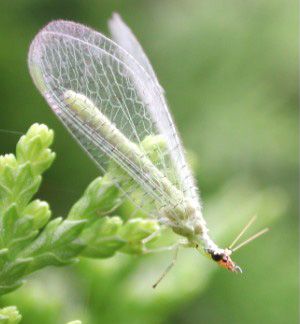
The green lacewing (family Chrysopidae) is an insect recognized by its slender green body, golden eyes, and two pairs of wings featuring a complex, lacy vein network. Distributed worldwide, these insects are commonly found near shrubs and grasses.1
Adults, sometimes called stinkflies due to the disagreeable odor they emit for protection, typically measure 1 to 1.5 cm in length. Their larvae, often referred to as aphidlions, are highly valued in biological control because they voraciously consume garden pests like aphids.1
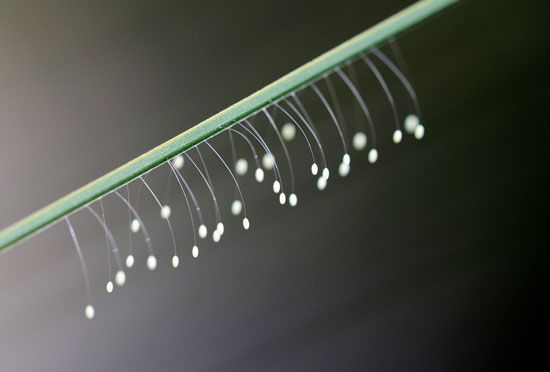
The life cycle is notable for the female’s habit of laying eggs on individual stalks to prevent the predatory larvae from eating their unhatched siblings. Some larvae, known as “trash bugs,” camouflage themselves by carrying debris on their backs. After feeding for about two weeks, they pupate in a silken cocoon before emerging as adults.1
Why are green lacewing larvae called aphidlions?
Green lacewing larvae are called aphidlions because of their voracious appetite for aphids and their specialized method of consuming them1.3
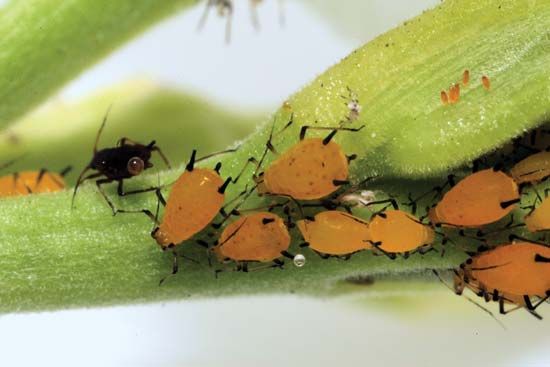
The term reflects their role as highly effective predators in garden ecosystems. Unlike some other insect larvae that chew their prey, the aphidlion uses prominent, sickle-shaped mandibles to pierce the body of an aphid. It then sucks out the victim’s visceral and body fluids through a channel or groove located on the inside of its mandibles.13
Because they can consume large numbers of these garden pests, they are considered beneficial insects and are frequently encouraged as a form of biological control to protect plants.14
How do ‘trash bugs’ use camouflage to hunt?
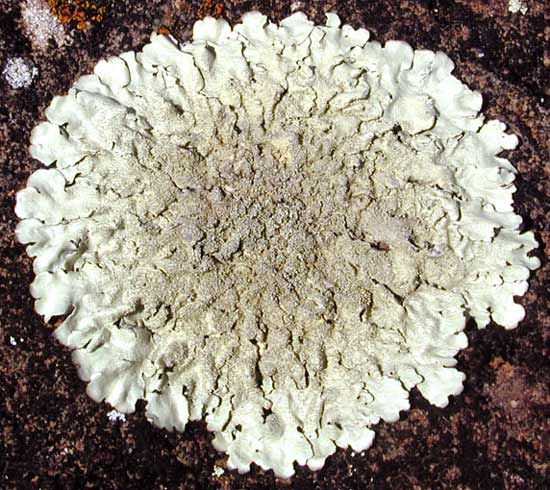
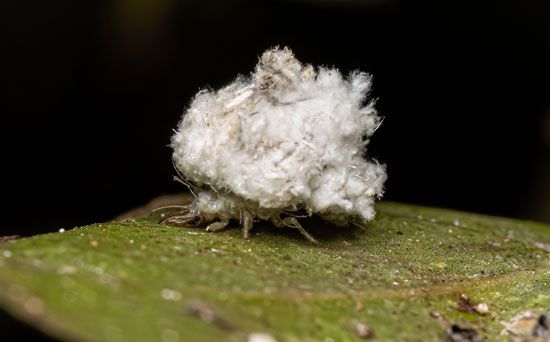
“Trash bugs,” which are the larvae of the green lacewing, use a specialized camouflage strategy to hunt and survive. They utilize hooked bristles on their backs to secure an eclectic assortment of debris from their immediate environment, such as lichen, sand, plant fibers, shed insect skins, and even the remains of their prey.17
This portable cloak serves two primary functions:
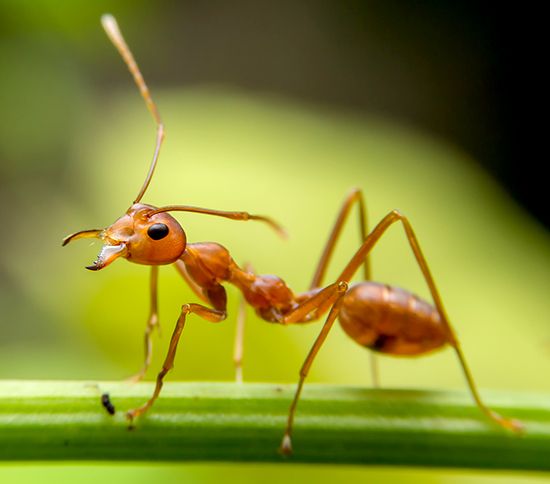
- Predator Protection: The debris conceals the larvae from predators like ants and spiders, helping them avoid detection.17
- Ambush Hunting: By blending into their surroundings—appearing as moving heaps of dust or moss—the larvae can sneak up on and surprise unsuspecting prey.17
Because each larva’s “trash pile” reflects its specific habitat, they are highly effective at remaining inconspicuous while they forage for aphids and other soft-bodied insects.17
What other insects are used for biological pest control?
Beyond green lacewings, many other insects serve as effective agents of biological control by preying upon or parasitizing agricultural pests. These natural enemies are essential components of sustainable organic farming systems.
Predatory Insects
Several beetle species are highly valued for their role in consuming pests:
- Ladybugs (family Coccinellidae): Both adults and larvae are voracious predators of aphids, scale insects, and mites.ica.com/animal/scale-insect), and mites.9
- Ground beetles (family Carabidae) and rove beetles (family Staphylinidae): These predators help regulate populations by feeding on caterpillars, various larvae, and soft-bodied insects.10
Parasitoid Wasps
Many parasitic wasps are used to manage specific crop pests by laying their eggs in or on a host insect, which the developing larvae eventually consume:1112
- Ichneumon wasps: These are used to control pests like the invasive wood wasp and various stem-boring caterpillars.11
- Other Hymenoptera: Various groups, including braconids, eulophids, pteromalids, chalcids, and trichogrammatids, are employed to target pests ranging from wood-boring beetles and scale insects to orchard pests.12
Sources
- green lacewing — Encyclopædia Britannica
- green lacewing — Merriam-Webster
- aphid lion — Merriam-Webster
- homopteran - Associations with other insects — Encyclopædia Britannica
- neuropteran - Ecology — Encyclopædia Britannica
- Lepidoptera - Feeding habits — Encyclopædia Britannica
- Insects That Wear Things — Encyclopædia Britannica
- masked hunter — Encyclopædia Britannica
- Coleoptera - As predators — Encyclopædia Britannica
- ladybug — Encyclopædia Britannica
- ichneumon wasp — Encyclopædia Britannica
- Hymenoptera - Economic importance — Encyclopædia Britannica
- Organic farming — Encyclopædia Britannica
- Whitefly — Encyclopædia Britannica
- Agricultural technology - Biological controls — Encyclopædia Britannica
Published on · 3 min read