Goat Breeds
Goat breeds are typically categorized by their primary use—such as milk, meat, or wool production—and their physical characteristics, including ear shape and…
What is Goat breeds?
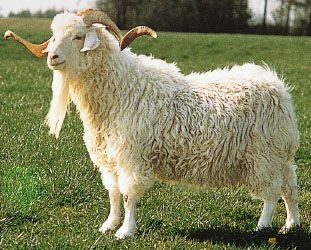
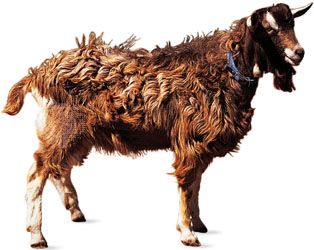
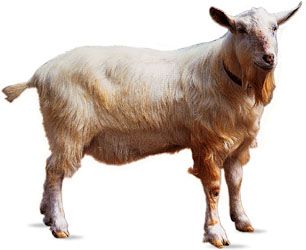
Goat breeds are typically categorized by their primary use—such as milk, meat, or wool production—and their physical characteristics, including ear shape and coat type. Domesticated since prehistoric times, these animals are valued for their adaptability to small-scale farming, where they provide a sustainable source of milk, cheese, meat, and fiber.12
Breeds are often grouped into three main categories:
- Prick-eared: Primarily Swiss breeds like the Saanen and Toggenburg, which are highly regarded for dairy production.12
- Eastern (or Nubian): Characterized by long, drooping ears and often a Roman nose, such as the Nubian breed.12
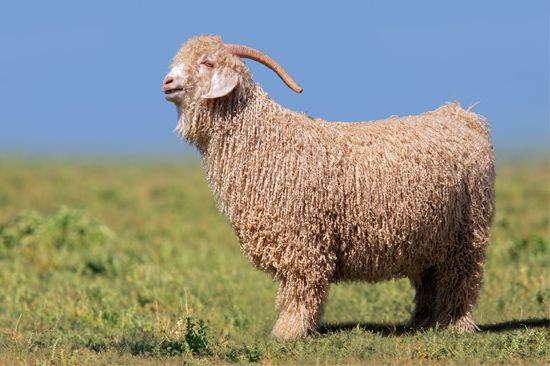
- Wool goats: Bred for their fine fiber, including the Angora, which produces mohair, and the Cashmere goat1.2
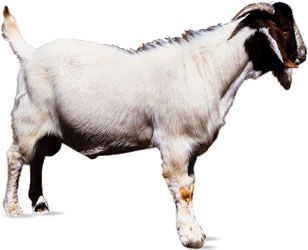
While goats are distinct from sheep, they can sometimes be confused by casual observers; however, they are easily distinguished by their tails, which point upward in goats and downward in sheep.12
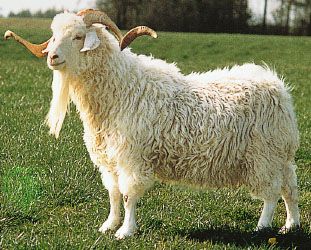
How can you tell the difference between a goat and a sheep?
Although goats and sheep are related, they can be distinguished by several physical characteristics. The most reliable way to tell them apart is by the orientation of their tails: a goat’s tail points upward, while a sheep’s tail points downward.1
Beyond the tail, goats generally exhibit the following traits compared to sheep:
- Build: Goats are typically lighter in build than sheep.4
- Hair: Goats tend to have straighter hair.4
- Horns: Goat horns generally arch backward.4
- Beards: Male goats, known as bucks or billys, usually possess a beard.4
While some hair breeds of sheep can look similar to goats, these anatomical differences remain consistent markers for identification.1
What are the main differences between mohair and wool?
While both mohair and wool are protein-based fibers primarily composed of keratin, they possess distinct structural and physical differences:
- Source: Mohair is obtained exclusively from the Angora goat, whereas wool is the fleece harvested from sheep and certain other hairy mammals.67
- Fiber Structure: Mohair fibers are smoother than wool because they have about half the number of scales on their outer layer, and these scales lie flatter. While wool is characterized by its natural waviness or “crimp,” mohair is generally long, lustrous, and straight.67
- Felting: Due to its unique scale structure, mohair felts much less readily than wool.6
- Performance: Both fibers are durable, resilient, and absorbent. However, because of the crimp in wool fibers, they cling together more effectively, which helps trap heat-insulating air. Mohair is often prized for its luster and durability in pile fabrics, while wool is highly valued for its ability to retain shape and provide warmth through its insulating properties.67
Why is goat milk often considered easier to digest than cow milk?
Goat milk is often considered easier to digest than cow milk primarily due to differences in the structure of its curd and fat globules. When consumed, goat milk forms into small, light flakes in the stomach, which are more easily broken down during the digestive process, similar to the curd formed from human milk.10
Additionally, the fat globules in goat milk are smaller than those found in cow milk. Because of their smaller size, these globules remain suspended in the liquid, which prevents the cream from rising and makes the milk naturally easier to process. These characteristics lead many to prescribe goat milk for individuals who experience allergies to proteins found in cow milk or for those managing certain conditions like stomach ulcers.10
Sources
- Goat breeds — Encyclopædia Britannica
- Livestock farming - Goats — Encyclopædia Britannica
- Angora goat — Encyclopædia Britannica
- Goat — Encyclopædia Britannica
- goat antelope — Encyclopædia Britannica
- mohair — Encyclopædia Britannica
- 7 More Knitting Words to Keep You Warm | Angora and Mohair — Merriam-Webster
- mohair — Merriam-Webster
- wool — Encyclopædia Britannica
- milk — Encyclopædia Britannica
- dairy product - Nutrient composition — Encyclopædia Britannica
Published on · 3 min read