Gorse
Gorse refers to any of several related plants belonging to the genera Ulex and Genista. These plants are typically characterized as spiny, yellow-flowered…
What is Gorse?
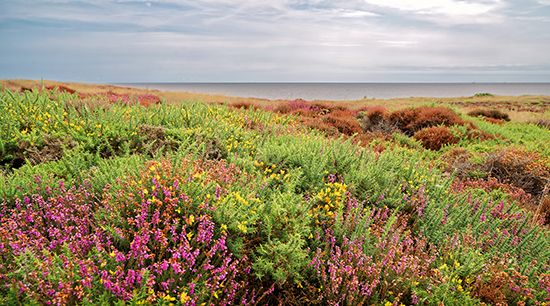
Gorse refers to any of several related plants belonging to the genera Ulex and Genista. These plants are typically characterized as spiny, yellow-flowered shrubs within the legume family.12
Common gorse (Ulex europaeus) is native to Europe and has become naturalized in regions such as the Middle Atlantic states and Vancouver Island. Another notable variety, Spanish gorse (Genista hispanica), is native to Spain and northern Italy; its large green spines and twigs give it an evergreen appearance during the winter months. Both species are known for their pea-like yellow flowers and their ability to thrive in dry soil conditions.1
Why is gorse considered an invasive species in some regions?
Sorry, the Britannica knowledge base does not contain information regarding why gorse is considered an invasive species in some regions.
How do gorse plants adapt to survive in dry soil?
Gorse plants, specifically those in the genera Ulex and Genista, are well-adapted to thrive in dry soil conditions. While the provided information notes their ability to grow in such environments, it does not detail the specific physiological mechanisms—such as reduced leaf surface area or specialized root systems—that facilitate this survival.1
We could dive deeper into the general survival strategies of leguminous plants in arid environments if you would like to learn more.
What role do legumes play in the ecosystem?
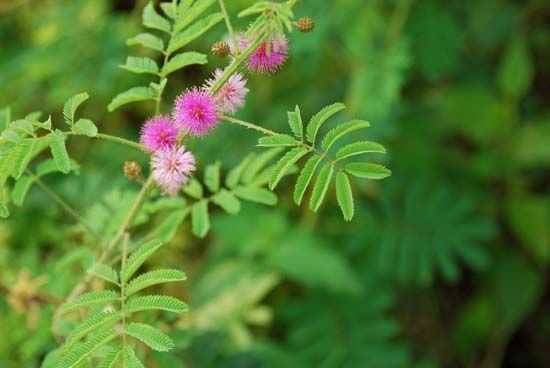
Legumes (family Fabaceae) play a vital role in global ecosystems primarily through nitrogen fixation. While nitrogen is essential for protein and metabolism, most organisms cannot access the abundant nitrogen gas in the atmosphere. Legumes overcome this by forming a symbiosis with Rhizobium bacteria housed in their root nodules. This process converts nitrogen into compounds like ammonia or nitrates, which are then released into the soil upon the plant’s decay, supporting other vegetation.3
Beyond nitrogen enrichment, legumes provide several ecological benefits:
- Soil Health: As cover crops, they help prevent erosion and can be used as green manure to improve soil quality.3
- Food Web Support: They serve as a primary source of protein for animals and humans, and their presence in pastures and forests is often critical for the survival of those ecosystems. critical for the survival of those ecosystems.34
- Agricultural Utility: Through crop rotation, they naturally replenish soil fertility, reducing the need for synthetic fertilizers.3
Sources
- Gorse — Encyclopædia Britannica
- gorse — Merriam-Webster
- Fabaceae - Nitrogen fixation — Encyclopædia Britannica
- Legume — Encyclopædia Britannica
Published on · 2 min read