Shrub
A shrub is a term with two distinct meanings. Botanically, it refers to a woody plant characterized by several stems arising from the base, with no single…
What is Shrub?
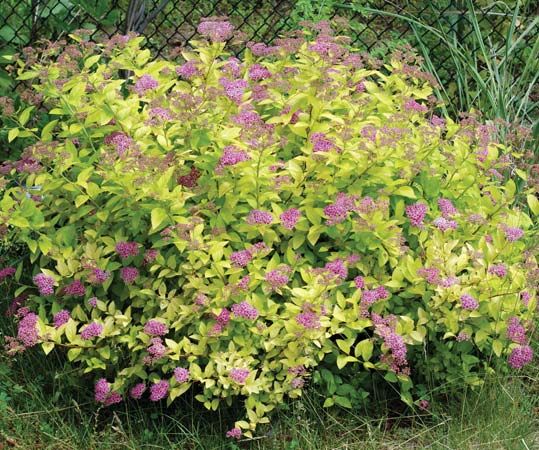
A shrub is a term with two distinct meanings. Botanically, it refers to a woody plant characterized by several stems arising from the base, with no single dominant trunk. While typically less than 3 meters (10 feet) tall, some species can reach up to 6 meters, at which point they may be classified as arborescences. When these plants are particularly dense and much-branched, they are often referred to as a bush. Because environmental conditions can influence growth, some species—such as willows or spruces—may take the form of a tree or a shrub depending on their surroundings.12
Alternatively, a shrub is a beverage consisting of fruit juice, sugar, and sometimes spirits, which is served chilled and diluted with water. This definition stems from the Arabic word sharāb, meaning beverage.3
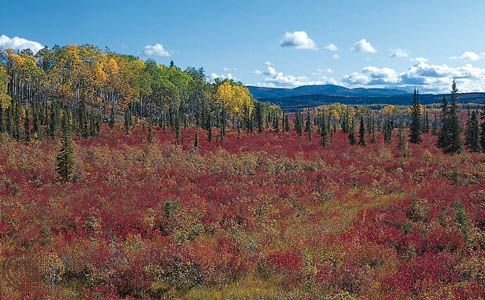
What are the main differences between a shrub and a tree?
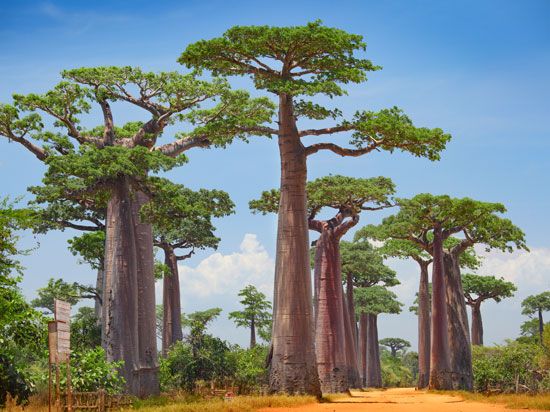
While shrubs and trees are both woody plants, they are primarily distinguished by their size and growth structure. A tree is generally defined as a woody plant that exceeds 6 meters (20 feet) in height, possesses a single dominant stem or trunk, and maintains a distinct crown shape. In contrast, a shrub is typically shorter than 3 meters (10 feet) and features multiple stems arising from the base, with no single stem being dominant.1
It is important to note that these distinctions are not absolute. Plants between 3 and 6 meters tall are often classified as arborescences, or treelike shrubs. Furthermore, environmental conditions can cause certain species—such as willows, spruces, lilacs, and honeysuckles—to adopt either a shrub or tree form depending on their surroundings. Because of this variability, these categories are not always reliable for definitive classification.1
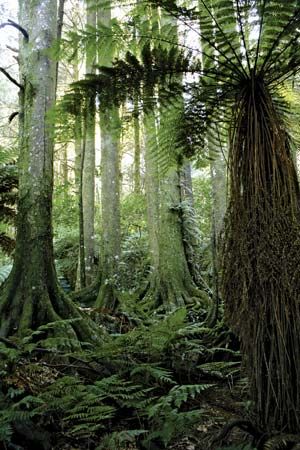
How do shrubs contribute to a garden’s ecosystem?
Shrubs play a vital role in maintaining a healthy garden ecosystem by providing essential services that support biodiversity and environmental stability. Their contributions include:
- Habitat and Shelter: Shrubs create structural complexity, offering food and nesting sites for various animals, including birds and beneficial insects. When planted in rows as windbreaks, they provide corridors that increase landscape connectivity, allowing wildlife to move safely between fragmented areas.67
- Pollination Support: By providing habitat for bees and other pollinators, shrubs help improve the yields of insect-pollinated plants within the garden. In many natural scrubland ecosystems, shrubs have coevolved with specific fauna, relying on birds or insects for pollination and ants for seed dispersal.76
- Environmental Protection: Shrubs act as natural barriers that slow and redirect wind, which helps protect soil from erosion and reduces moisture loss from plants. They also help sequester carbon, contributing to the mitigation of global warming.7
- Microclimate Regulation: They can foster favorable microclimates by providing shade and reducing wind stress, which protects more sensitive plants and creates a more stable environment for the garden’s biota.7
What is the history behind the fruit-based drink called a shrub?
The term “shrub,” when referring to the fruit-based beverage, has a distinct etymological history separate from the woody plant. The word is derived from the Arabic sharāb, which translates simply to “beverage.”3
Historically, the drink has been defined in two primary ways:
- Alcoholic Shrub: An aged mixture consisting of fruit juice, sugar, and spirits, which is typically served chilled and diluted with water. This version dates back to at least 1706.3
- Non-Alcoholic Shrub: A refreshing drink created by adding acidulated (acid-enhanced) fruit juice to iced water.3
The evolution of the drink reflects a long-standing tradition of using sugar and acidity to preserve fruit flavors, resulting in a versatile base that has been enjoyed for centuries.
Sources
- Shrub — Encyclopædia Britannica
- gardening - Shrubs and vines (climbers) — Encyclopædia Britannica
- shrub — Merriam-Webster
- shrub — Merriam-Webster
- Growth - Chemical factors — Encyclopædia Britannica
- Scrubland - Biota — Encyclopædia Britannica
- Windbreak — Encyclopædia Britannica
Published on · 3 min read