Grand Banks
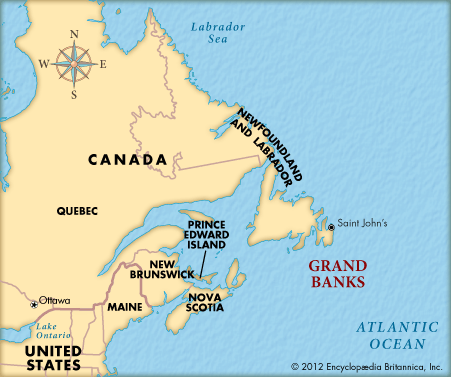
The fishing industry has historically been the defining economic and social force of the Grand Banks, though its legacy is marked by both prosperity and…
How has the fishing industry historically impacted the Grand Banks region?
The fishing industry has historically been the defining economic and social force of the Grand Banks, though its legacy is marked by both prosperity and ecological collapse.
- Early Development: Cod fishing began on the Grand Banks even before John Cabot’s 1497 voyage. For centuries, the region supported a massive industry, with sailing schooners from New England, Nova Scotia, and Newfoundland harvesting cod for global export.1
- Industrialization and Conflict: The mid-20th century saw the arrival of international trawler fleets, leading to increased competition, international incidents, and the implementation of net mesh regulations to prevent depletion.2
- Ecological Collapse: By the early 1990s, groundfish stocks—particularly Atlantic cod—collapsed to 5–10 percent of their 1960s levels. While some attribute this to overfishing, others suggest that heavy fishing pressure made stocks more vulnerable to the abnormally low water temperatures of that era.2
- Socioeconomic Shift: The collapse devastated local communities dependent on the fishery. Today, while some species like lobster and shrimp remain, the extraction of petroleum and natural gas has surpassed fishing as the region’s most valuable economic activity.23
How do ocean currents affect the Grand Banks and its ecosystem?
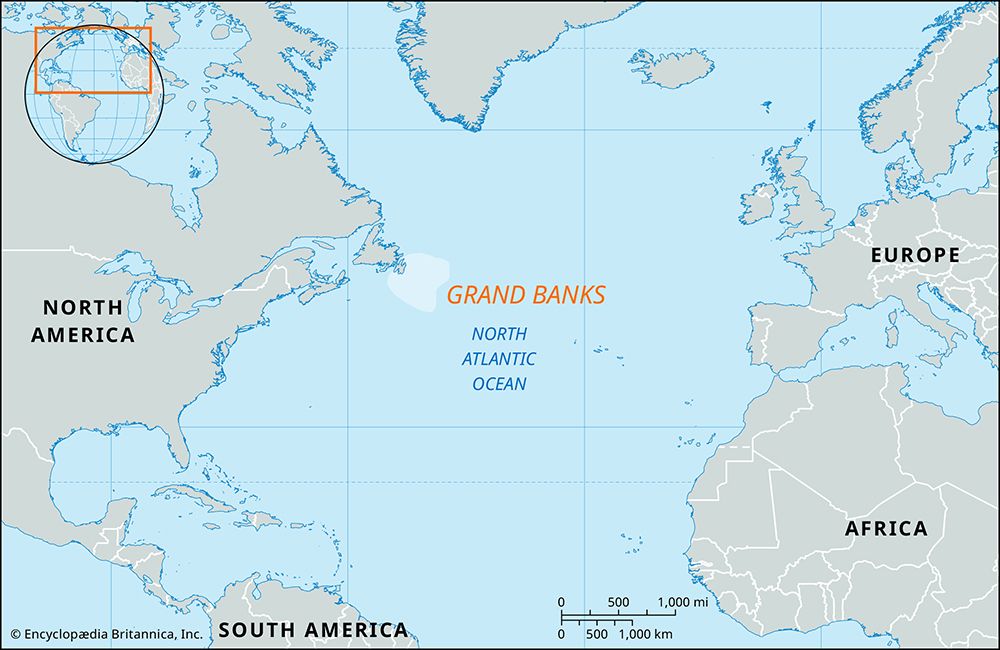
The Grand Banks region is defined by the convergence of two major ocean currents: the cold Labrador Current and the relatively warm Gulf Stream. This interaction is fundamental to the region’s ecology and climate.1
Ecological Impact
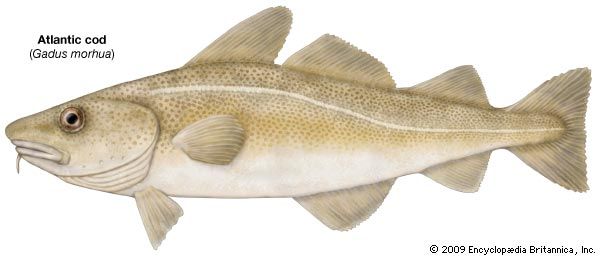
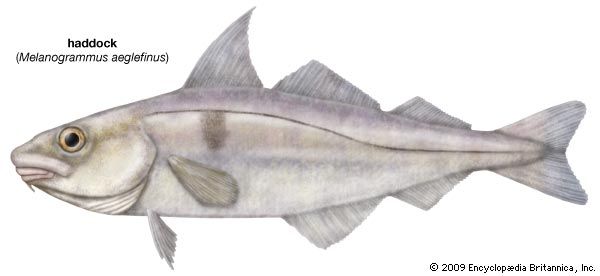
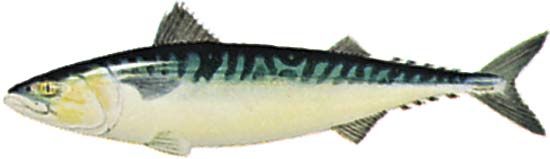
The mingling of these contrasting water masses creates highly favorable conditions for marine life. The turbulence and mixing of these currents facilitate the availability of nutrient salts, which support the growth of plankton. Because plankton serves as the base of the food web, this nutrient-rich environment historically made the Grand Banks one of the most productive commercial fishing grounds in the world, sustaining species such as cod, haddock, and mackerel.14
Climatic and Atmospheric Effects
The interaction between these currents also significantly influences the local atmosphere:
- Fog Formation: When cold, humid air moving over the Labrador Current encounters the warm surface waters of the Gulf Stream, it causes widespread condensation, resulting in some of the highest incidences of fog in the world.14
- Weather Steering: The thermal gradients at the boundary of these currents influence the heating of the atmosphere. These gradients help position the jet stream, which in turn guides the development and steering of weather systems across the North Atlantic.5
- Anomalies: Variations in the position of the boundary between the Labrador Current and the Gulf Stream can alter the energy supply to the atmosphere, leading to persistent weather pattern anomalies in regions as far away as the British Isles and northern Europe.5
What types of marine life are commonly found in the Grand Banks ecosystem?
The Grand Banks ecosystem is characterized by high biological productivity, driven by the convergence of the cold Labrador Current and the warm Gulf Stream. This interaction creates nutrient-rich conditions that support a diverse array of marine life.14
Common Marine Species
- Fish: The region is historically famous for its groundfish populations. Plentiful species include Atlantic cod, haddock, mackerel, herring, and various flatfish.1
- Crustaceans and Shellfish: While groundfish stocks have faced significant depletion, other fisheries such as lobster and northern shrimp have continued to flourish in the region.1
- Plankton: The mingling of water masses produces favorable conditions for the growth of plankton. These organisms form the essential base of the food web, upon which most other fish species in the area depend for their food supply.17
The ecosystem relies on these foundational species to maintain its balance. While the extraction of petroleum and natural gas has become a major economic factor in the area, the biological health of the Grand Banks remains a subject of significant environmental and economic importance.1
How have the Grand Banks influenced the culture and economy of Newfoundland and Labrador?
The Grand Banks have served as the economic and cultural backbone of Newfoundland and Labrador for over 500 years. Historically, the region’s identity was defined by a sustainable cod fishery that supported coastal communities and trade networks reaching Europe, the West Indies, and Brazil.18
Economic Transformation and Crisis
The mid-20th century brought industrial-scale trawlers and advanced technology, which initially increased yields but ultimately led to catastrophic overfishing. The 1992 cod fishery collapse forced a moratorium that resulted in the loss of nearly 40,000 jobs, crippling hundreds of communities and triggering a 10 percent population decline as residents sought work elsewhere.1
Modern Shift
Following the collapse, the province’s economic focus shifted significantly:
- Resource Diversification: The economy moved toward the extraction of petroleum and natural gas on the Grand Banks, which now represents the region’s most valuable economic activity.910
- Fishery Evolution: The fishing industry transitioned toward shellfish (crab and shrimp) and aquaculture to replace the lost groundfish revenue.8
Sources
- Grand Banks — Encyclopædia Britannica
- Newfoundland and Labrador - Resources and power — Encyclopædia Britannica
- commercial fishing - History of commercial fishing — Encyclopædia Britannica
- Gulf Stream — Encyclopædia Britannica
- Climate - Circulation, currents, and ocean-atmosphere interaction — Encyclopædia Britannica
- Climate - The Gulf Stream — Encyclopædia Britannica
- Atlantic Ocean - Biological resources — Encyclopædia Britannica
- cod fishery collapse of 1992 — Encyclopædia Britannica
- Newfoundland and Labrador - Toward confederation — Encyclopædia Britannica
- Newfoundland and Labrador - Agriculture, forestry, and fishing — Encyclopædia Britannica
- Grand Banks — Merriam-Webster
- Newfoundland and Labrador - Sports and recreation — Encyclopædia Britannica
Published on · 4 min read