Green Bean
The green bean is a widely cultivated, edible-podded legume belonging to the species Phaseolus vulgaris. Often referred to as a snap bean, it is a variety of…
What is Green bean?
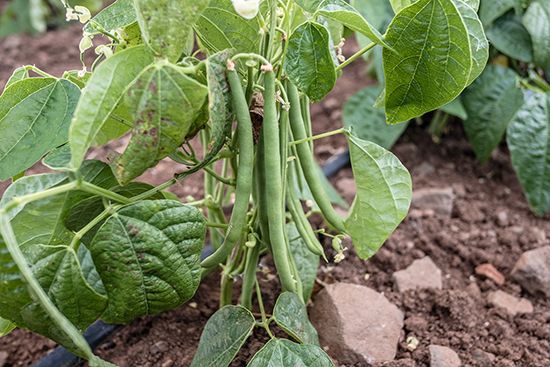
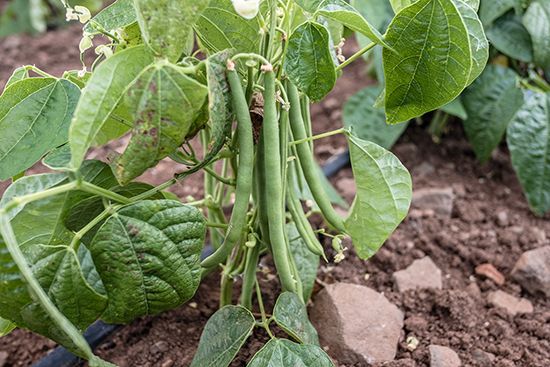
The green bean is a widely cultivated, edible-podded legume belonging to the species Phaseolus vulgaris. Often referred to as a snap bean, it is a variety of the common bean, which is a member of the Fabaceae family.12
These plants are grown specifically for their immature, tender pods, which are harvested before the seeds fully develop. While the species Phaseolus vulgaris includes many types—such as kidney, black, and pinto beans—green bean varieties are distinguished by their edible, non-fibrous pods. They are an important food crop, providing essential nutrients like protein, iron, thiamin, and riboflavin. Depending on the variety, they may grow as erect bushes or as climbing plants that require support.2
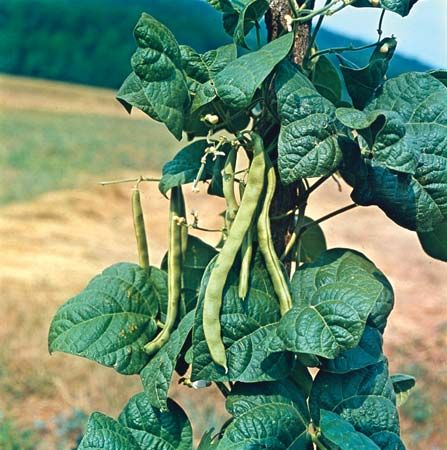
What is the difference between bush beans and pole beans?
The primary difference between bush beans and pole beans lies in their growth habit and their requirement for structural support.
- Bush beans: These are cultivated varieties of the common bean that feature an upright, bushy growth habit. Because they grow in a compact, self-supporting form, they do not require any artificial supports to grow or be harvested.45
- Pole beans: These are climbing varieties of the common bean. To grow effectively, they must be trained to climb upward on artificial supports, such as poles or trellises, which also helps to facilitate the harvesting process.536
Both types are varieties of the species Phaseolus vulgaris and are grown for their edible seeds or immature pods. While they differ in how they occupy space in the garden, both share the nutritional benefits common to legumes, including being a good source of protein, iron, and various B vitamins.56
Why are green beans considered a healthy food choice?
Green beans are considered a healthy food choice primarily because they are a nutrient-dense legume. As a variety of the common bean, they share the nutritional profile characteristic of the Phaseolus vulgaris species, which makes them a valuable addition to a balanced diet.71
Legumes like green beans are recognized for providing essential nutrients that support overall well-being. They are typically rich in protein, which is vital for maintaining physical strength, and they serve as a good source of iron, thiamin, and riboflavin. These nutrients are essential for energy production and the maintenance of bodily functions. Because they are consumed as edible-podded vegetables, they also offer dietary fiber, which contributes to digestive health.7
How do legumes like green beans help the soil?
Legumes, such as green beans, play a vital role in soil health primarily through a process called nitrogen fixation. This process relies on a symbiotic relationship between the legume and Rhizobium bacteria that reside in the plant’s root nodules.89
These bacteria convert atmospheric nitrogen—which is otherwise unusable by most plants—into ammonia and other nitrogen compounds that the host plant can utilize for growth. When the plant dies or its roots decay, these nitrogen-rich compounds are released into the soil, effectively fertilizing it for future crops.89
Beyond nitrogen fixation, legumes benefit the soil in several ways:
- Crop Rotation: Alternating legumes with other crops helps maintain soil fertility naturally, reducing the need for synthetic fertilizers.810
- Green Manure: Legumes are often grown as cover crops and plowed into the soil to improve its physical condition, increase overall fertility, and reduce nutrient loss from leaching.811
- Erosion Control: As cover crops, they help protect the soil surface from erosion.811
- Weed Management: Rotating crops can disrupt the growth cycles of weeds, making them easier to control.8
Sources
- Green bean — Encyclopædia Britannica
- green bean — Merriam-Webster
- Common bean — Encyclopædia Britannica
- bush bean — Merriam-Webster
- pole bean — Merriam-Webster
- Bean — Encyclopædia Britannica
- Why are navy beans called navy beans? — Encyclopædia Britannica
- Fabaceae - Nitrogen fixation — Encyclopædia Britannica
- Nitrogen-fixing bacteria — Encyclopædia Britannica
- Nitrogen-fixing bacteria: Top Questions — Encyclopædia Britannica
- Fertilizer - Green manuring — Encyclopædia Britannica
Published on · 3 min read