Tomato
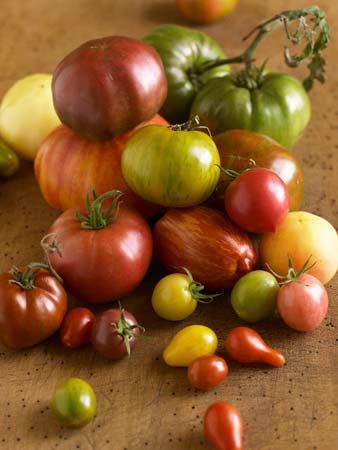
Botanically, a tomato is classified as a fruit because it is the ripened ovary of a flowering plant that contains seeds.
What makes a tomato botanically classified as a fruit?
Botanically, a tomato is classified as a fruit because it is the ripened ovary of a flowering plant that contains seeds.12
In botany, a fruit is defined as the mature ovary and its associated parts, which develop after the fertilization of an ovule which develop after the fertilization of an ovule. Because the tomato develops from the ovary of a flower and encloses the seeds, it meets the scientific criteria for a fruit. Furthermore, it is specifically categorized as a berry, which is a simple, fleshy fruit derived from a single ovary that typically contains multiple seeds.123
While nutritionists and culinary traditions often classify tomatoes as vegetables—a term generally reserved for plant parts that are not sweet or are served as part of a main dish—this is a functional distinction rather than a botanical one.24

How are tomatoes typically used in cooking, and does this align more with fruits or vegetables?
In cooking, tomatoes are almost universally treated as vegetables rather than fruits. This culinary classification aligns with how they are prepared and served: they are typically used in savory main dishes, salads, and sauces, rather than as sweet snacks or desserts.36
While botanically defined as a fruit—specifically a berry—because they develop from a flower’s ovary and contain seeds, their culinary role is distinct. In many cultures, the term “vegetable” is used to describe plant parts that are not high in fructose and are served as part of a meal, such as in Italian cuisine, where tomatoes are a staple ingredient in pizza, pasta, and various savory sauces.3768
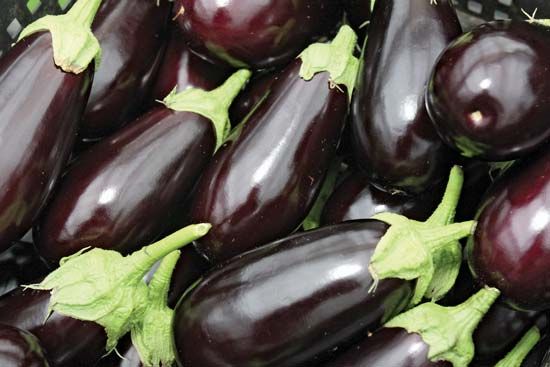
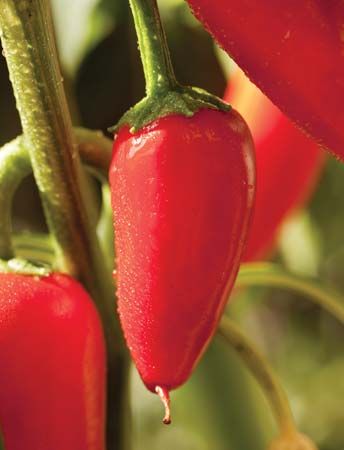
This dual identity is common for other botanical fruits like eggplants, peppers, and squash, which are also prepared as vegetables in the kitchen. Ultimately, whether you call a tomato a fruit or a vegetable depends on whether you are speaking from a botanical or a culinary perspective.378
What other plants are similarly classified as fruits but commonly thought of as vegetables?
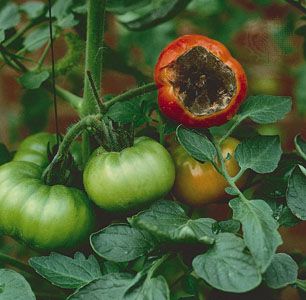
Many plants that are botanically classified as fruits are commonly treated as vegetables in culinary contexts because they are savory rather than sweet and are typically served as part of a main course or side dish.19
Botanically, a fruit is the ripened ovary of a flowering plant that contains seeds, serving as the plant’s reproductive body. Because of this definition, many items found in the “vegetable” section of a grocery store are technically fruits.63
Common examples include:
- Cucurbits: This family includes cucumbers, squash, zucchini, pumpkins, and chayote.653
- Nightshades: In addition to tomatoes, this group includes eggplants, bell peppers, and tomatillos.51
- Legumes: While often categorized by their seeds, green beans, broad beans, and peas are botanically fruits.659
- Others: Avocados, corn, okra, and olives also meet the botanical criteria for fruit.65
The distinction remains a matter of perspective: botany focuses on the plant’s reproductive structure, while culinary and nutritional classifications focus on flavor profile and usage.319
How did the debate of whether a tomato is a fruit or vegetable arise historically?
The debate over whether a tomato is a fruit or a vegetable arises from a conflict between botanical definitions and culinary usage. Botanically, a fruit is the ripened ovary of a flowering plant that contains seeds, which makes tomatoes, along with cucumbers, peppers, and squashes, fruits by definition.38
In contrast, the culinary and nutritional classification of a “vegetable” refers to plant parts—such as roots, stems, leaves, or flower buds—that are typically savory and served as part of a main dish or side, rather than as sweet snacks or desserts. Because tomatoes are not sweet and are prepared in savory dishes like pasta and pizza, they have long been categorized as vegetables in the kitchen and in grocery stores.386
This confusion persists because the technical language of botany often contradicts the common language used in daily life. While botanists focus on the plant’s reproductive structure, the culinary world focuses on flavor and function, leading to the tomato’s dual identity as both a botanical fruit and a culinary vegetable.38
Sources
- Fruit — Encyclopædia Britannica
- Berry — Encyclopædia Britannica
- Is a Tomato a Fruit or a Vegetable? — Encyclopædia Britannica
- Plant reproductive system - Angiosperms — Encyclopædia Britannica
- Vegetable farming — Encyclopædia Britannica
- Fruit vs. Vegetable — Merriam-Webster
- Italian cuisine — Encyclopædia Britannica
- Tomato — Encyclopædia Britannica
- list of vegetables — Encyclopædia Britannica
Published on · 3 min read