Guanaco
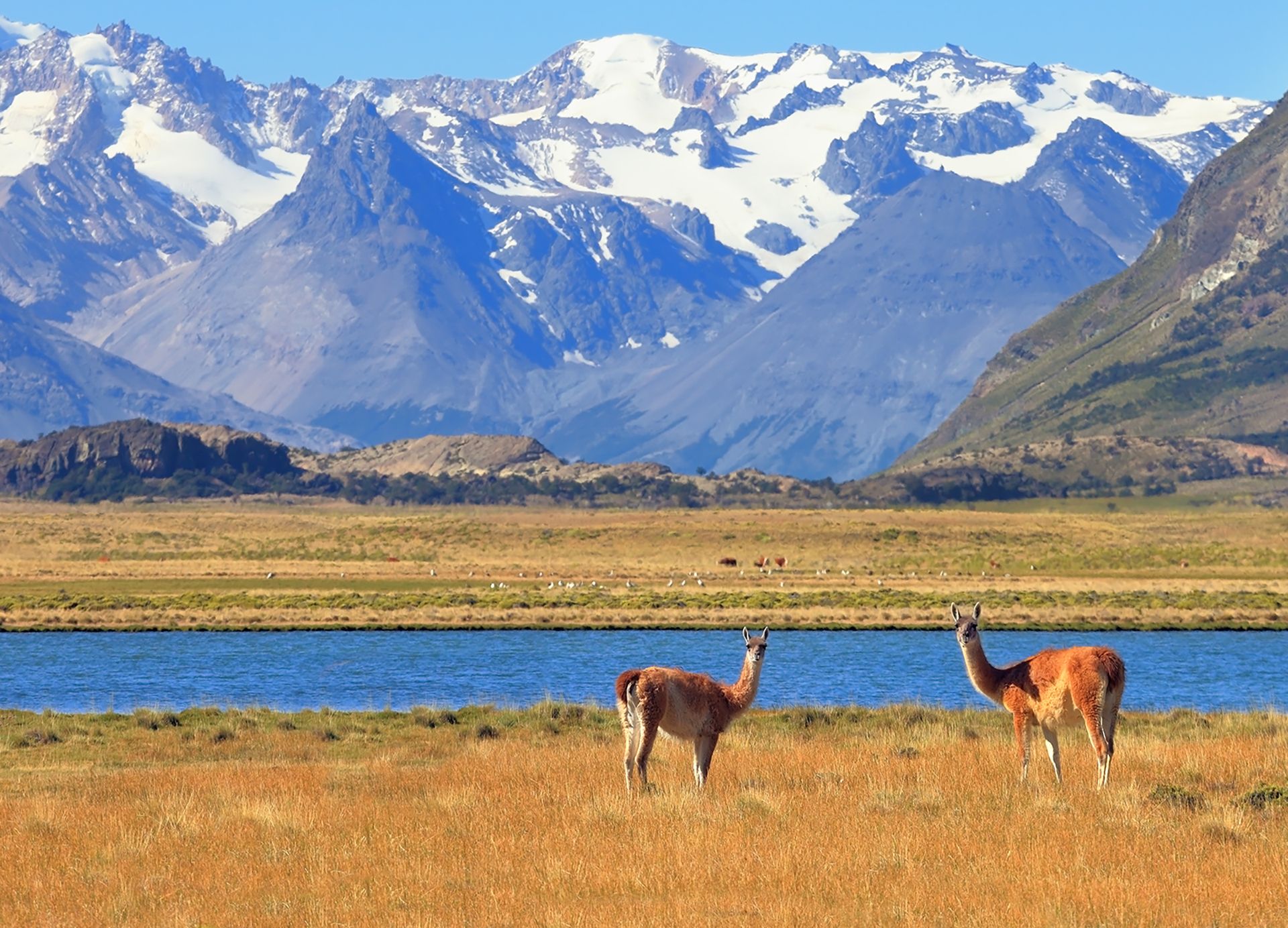
The guanaco (Lama guanicoe) is a wild, long-necked mammal native to the dry, open regions of the Andes Mountains in South America. Standing about 110 cm (43…
What is a guanaco and how is it related to other camelids?
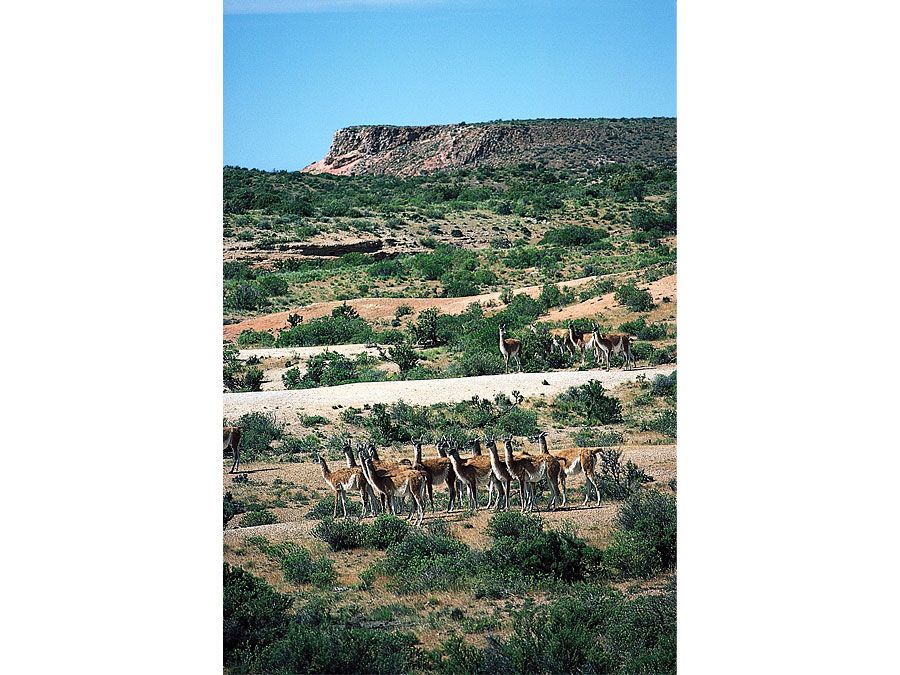
The guanaco (Lama guanicoe) is a wild, long-necked mammal native to the dry, open regions of the Andes Mountains in South America. Standing about 110 cm (43 inches) at the shoulder, it is characterized by a pale brown coat, a grayish head, and a slender body that lacks the characteristic hump of its distant camel relatives.123
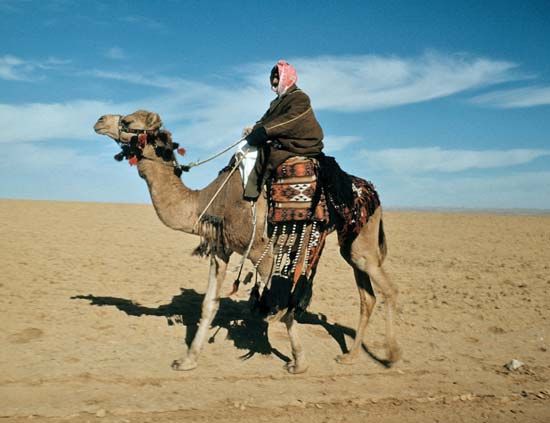
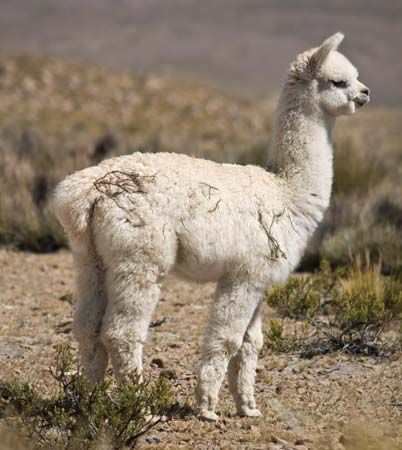
The guanaco is a member of the family Camelidae and is closely related to the vicuña, alpaca, and llama. These four species are collectively known as lamoids. Key relationships include:143
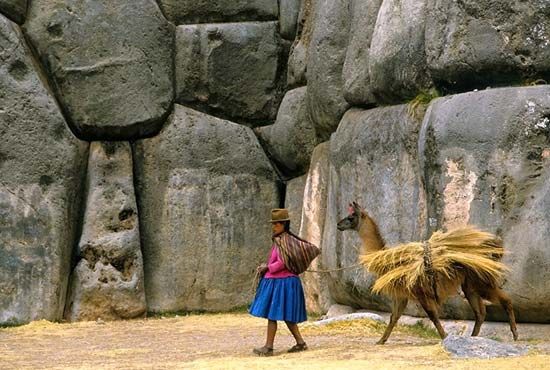
- Ancestry: The guanaco is the wild ancestor of the domesticated llama, which has been used as a pack animal for approximately 6,500 years.13
- Interbreeding: All lamoids are capable of interbreeding and producing fertile offspring.3
- Evolution: While they share a common lineage with Old World camels, the South American camelid line diverged from the lineage that produced modern dromedary and Bactrian camels between 11 million and 25 million years ago.4
Where are guanacos primarily found in South America?
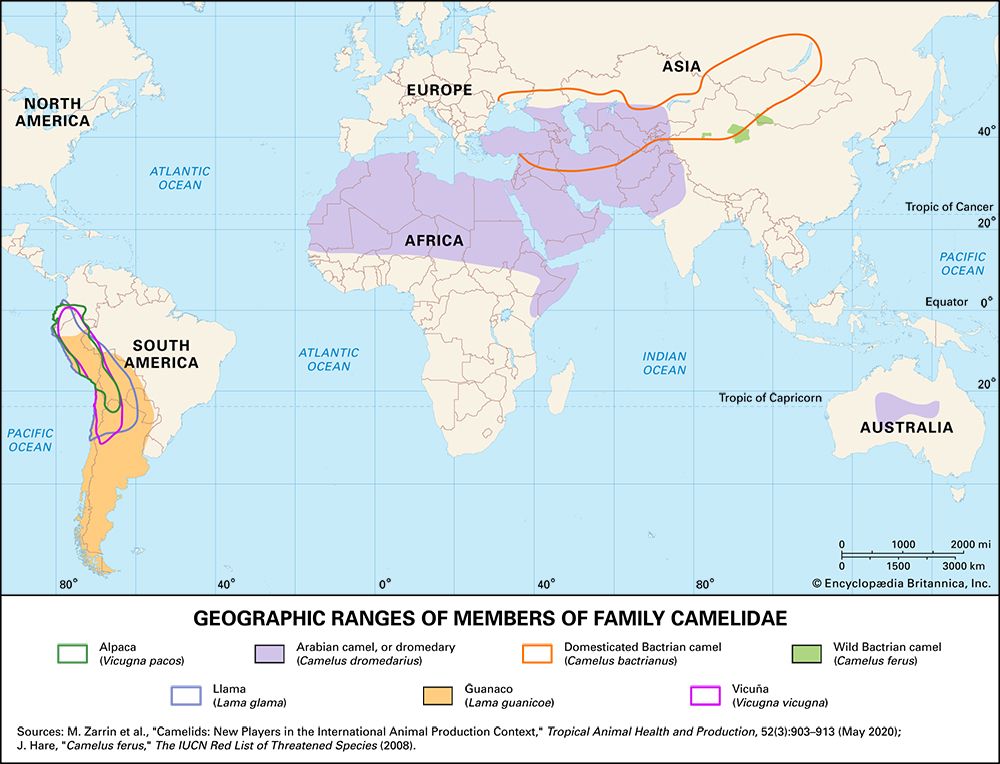
Guanacos are primarily found throughout the Andes Mountains in South America, ranging from Peru and Bolivia in the north down to Tierra del Fuego and other islands in the south. While they are highly adaptable and can live at various elevations, they are often associated with the Altiplano—a high-altitude plateau in southeastern Peru and western Bolivia—where they thrive at elevations between 3,400 and 3,900 meters (11,200 to 12,800 feet).167
In terms of total population, the vast majority of guanacos are located in Argentina and Chile. They are capable of inhabiting a wide range of altitudes, from sea level up to the snow line at approximately 4,500 meters (14,000 feet).1
How do guanacos differ from their domesticated relatives, llamas and alpacas?
Guanacos are the wild ancestors of llamas, while alpacas are descended from vicuñas. As wild animals, guanacos differ from their domesticated relatives in several key ways:
- Status and Habitat: Unlike llamas and alpacas, which are domesticated livestock not known to exist in the wild, guanacos are wild animals that roam the Andes Mountains from sea level to the snow line.12
- Physical Characteristics: Guanacos are generally smaller than llamas, which are the largest of the four lamoid species. While a guanaco stands about 110 cm (43 inches) at the shoulder and weighs approximately 90 kg (200 pounds), a llama typically stands about 120 cm (47 inches) and can weigh between 104 and 181 kg (230 to 400 pounds).129
- Fleece and Utility: Guanaco fleece consists of a soft, downy undercoat valued for luxury fabrics, which is finer than that of an alpaca but coarser than a vicuña’s. In contrast, llamas have coarser hair that is generally considered inferior for high-end textile production, though they are highly valued as pack animals due to their strength and endurance.129
How do llamas and alpacas differ from their wild ancestors?
Llamas and alpacas are domesticated livestock species that do not exist in the wild, having been selectively bred by Andean peoples over thousands of years. Genetic research has clarified their distinct lineages: llamas are the domesticated descendants of the wild guanaco, while alpacas are descended from the wild vicuña.921011
The primary differences between these domesticated animals and their wild ancestors include:
- Purpose and Utility: Humans bred llamas as pack animals for their strength and endurance, capable of carrying significant loads across rugged terrain. Alpacas were specifically developed for their high-quality fleece, which is prized for its strength, insulation, and luster.9210
- Physical Traits: Through domestication, these animals have developed characteristics distinct from their wild counterparts. For example, llamas are generally larger and more robust than guanacos to better serve as beasts of burden. Alpacas have been specialized for high-altitude, marshy environments and possess a much finer, shaggier coat than the wild vicuña.9210
- Behavior: While wild lamoids are typically wary, domesticated llamas and alpacas have adapted to human interaction, though they retain natural defensive behaviors like spitting when mistreated or overloaded.92
Sources
- guanaco — Encyclopædia Britannica
- llama — Encyclopædia Britannica
- camel - Natural history — Encyclopædia Britannica
- artiodactyl - Evolution and paleontology — Encyclopædia Britannica
- guanaco — Merriam-Webster
- Exploring 7 of Earth’s Great Mountain Ranges - Andes — Encyclopædia Britannica
- Andes Mountains - Plant and animal life — Encyclopædia Britannica
- Bolivia - Animal life — Encyclopædia Britannica
- What’s the Difference Between Llamas and Alpacas? — Encyclopædia Britannica
- alpaca — Encyclopædia Britannica
- Pre-Columbian civilizations - Agricultural adaptation — Encyclopædia Britannica
Published on · 3 min read