Sheep Breeds
There are more than 200 breeds of sheep worldwide, developed over thousands of years to suit various environmental conditions and human needs for wool, meat…
What is Sheep breeds?
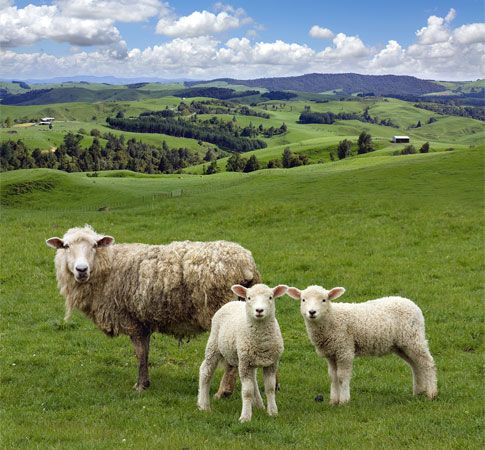
There are more than 200 breeds of sheep worldwide, developed over thousands of years to suit various environmental conditions and human needs for wool, meat, and milk. While many breeds are of limited local interest, they are generally classified into three primary categories based on their fleece:123
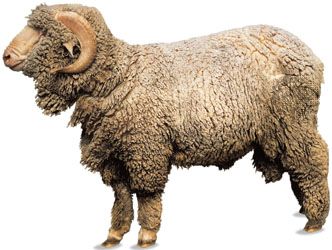
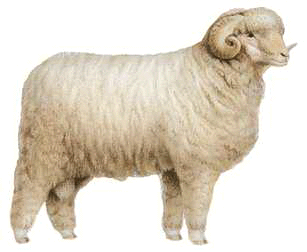
- Fine wool: These breeds, such as the Merino and Rambouillet, are primarily raised for their high-quality, soft fleeces.13
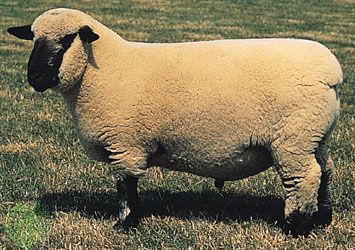
- Medium wool: Breeds like the Hampshire, Suffolk, and Southdown are often favored for meat production (mutton and lamb).123
- Long wool: Including the Lincoln and Cotswold, these breeds produce long fibers suitable for coarse fabrics and rugs.13
Additionally, some breeds are specialized, such as the Karakul, which is raised for fur. Most modern commercial sheep are crossbreeds designed to optimize both meat and wool quality.124
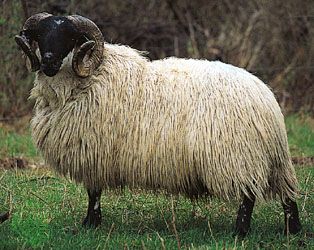
How do sheep breeds differ from wild sheep species?
Domesticated sheep breeds (Ovis aries) differ significantly from their wild progenitors in several key biological and physical characteristics, primarily due to thousands of years of selective breeding for human utility.25
Key Differences
- Fleece Development: The most notable distinction lies in their coats. Wild sheep species possess an outer coat of hair with a short undercoat of fine wool. Through domestication, humans have developed this undercoat into the thick, continuous fleece characteristic of modern breeds. While most domestic breeds are raised for this wool, some have been bred to produce only hair.25
- Conformation and Traits: Domesticated sheep vary widely among themselves and from wild species in size, color, milk production, and overall body conformation. These variations were intentionally cultivated to meet specific human needs for food and clothing, as well as to adapt to different latitudes and altitudes.2
- Behavior and Survival: Wild sheep are undomesticated animals, such as the argali, bighorn sheep, and mouflon. In contrast, domestic sheep are generally timid, flock-oriented animals that lack the natural defenses against predators found in their wild counterparts.632
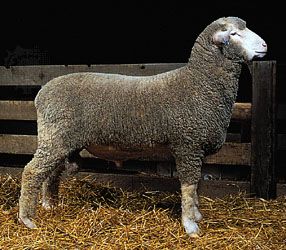
What are the main differences between wool, meat, and dual-purpose breeds?
Sheep breeds are primarily categorized based on their intended utility, with selective breeding focusing on the production of wool, meat, or a combination of both.12
Breed Classifications
- Wool Breeds: These are typically fine-wool breeds, such as the Merino and Rambouillet. They are primarily raised for their high-quality, soft fleeces, with wool production being the main economic objective.12
- Meat Breeds: Breeds with medium or long wool, or those that produce only hair, are generally raised for meat production (mutton and lamb). Notable examples include the Hampshire, Suffolk, and Southdown, which are valued for their carcass quality.12
- Dual-Purpose Breeds: Many modern commercial sheep are crossbreeds developed to yield both high-quality wool and meat. Breeds like the Corriedale, Columbia, and Targhee were specifically engineered to thrive in range conditions while providing a balance of acceptable meat and valuable fleece.13
Most commercial operations today utilize crossbreeding strategies, often pairing white-faced ewes for their wool and maternal traits with black-faced sires to produce high-quality market lambs.1
How has selective breeding changed sheep over time?
Selective breeding has profoundly transformed sheep since their initial domestication at least 5,000 BCE, shifting them from their wild state into specialized breeds tailored to human needs. This process relies on utilizing natural genetic variation to enhance specific traits, such as fleece quality, body conformation, size, and milk production.23
Mechanisms of Change
- Fleece Development: While wild sheep possess an outer coat of hair with a short, fine wool undercoat, selective breeding has transformed this undercoat into the thick, continuous fleece seen in modern domestic breeds.2
- Crossbreeding and Selection: Breeders have historically used techniques like wide outcrosses followed by intermating and selection to fix desirable characteristics. For example, the Corriedale and Columbia breeds were developed through systematic crossbreeding to balance the production of high-quality wool and meat, making them better suited to specific environmental conditions like Western range lands.83
- Behavioral and Physical Traits: Domestication has favored animals that are timid and flock-oriented, often at the expense of the natural defensive behaviors found in wild species. Similar to other domesticated livestock, these changes in behavior are often genetically correlated with shifts in morphology, such as changes in size, color, and ear shape.29
Sources
- Livestock farming - Breeds — Encyclopædia Britannica
- Sheep — Encyclopædia Britannica
- Origins of agriculture - Sheep — Encyclopædia Britannica
- Sheep breeds — Encyclopædia Britannica
- wild sheep — Merriam-Webster
- Sheep: Top Questions — Encyclopædia Britannica
- List of sheep — Encyclopædia Britannica
- Animal behaviour - Artificial selection — Encyclopædia Britannica
- Animal breeding - Breeding and variation — Encyclopædia Britannica
Published on · 3 min read