Heard Island and McDonald Islands
The Heard Island and McDonald Islands are a subantarctic island group located in the southern Indian Ocean, approximately 2,500 miles (4,000 km) southwest of…
Where are the Heard Island and McDonald Islands located, and what is their geographical significance?
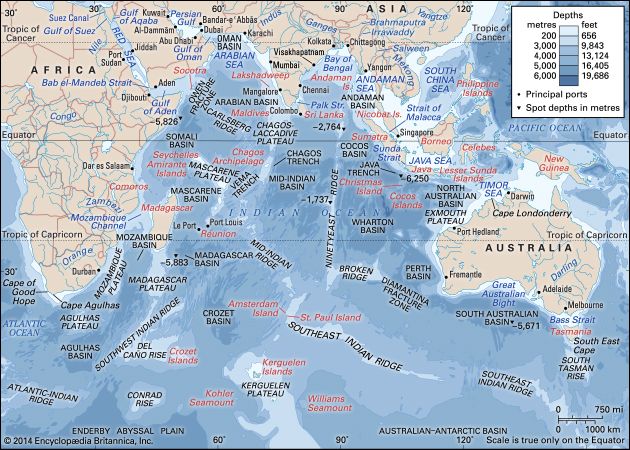
The Heard Island and McDonald Islands are a subantarctic island group located in the southern Indian Ocean, approximately 2,500 miles (4,000 km) southwest of Perth, Australia.1
These islands are geographically significant for several reasons:
- Volcanic Origins: The islands are volcanic in nature. Heard Island is dominated by Big Ben Mountain, which rises to 9,005 feet (2,745 meters) at Mawson Peak.1
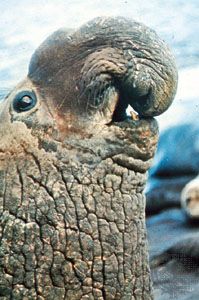
- Pristine Wilderness: Since the early 20th century, the islands have remained largely undisturbed, serving as a nearly pristine subantarctic wilderness that supports colonies of elephant seals and penguins.1
- Scientific Value: The territory is inhabited intermittently by scientific research parties, providing a unique environment for studying subantarctic ecosystems.1
- Protected Status: Due to their unique biological and geological characteristics, the islands were designated a UNESCO World Heritage site in 1997.1
What unique flora and fauna can be found on Heard Island and McDonald Islands?
The provided search results do not contain specific information regarding the unique flora and fauna currently found on the Heard Island and McDonald Islands, other than noting that the islands support colonies of elephant seals and penguins.1
While the broader subantarctic botanical zone—which includes islands like Kerguelen—is characterized by an abundance of vascular plants and seed plants, the specific species present on the Heard and McDonald group are not detailed in the available data.2
How does the volcanic activity on these islands affect their environment and ecosystem?
The volcanic activity on the Heard Island and McDonald Islands is fundamental to their physical identity, as the islands are entirely volcanic in origin. While specific, localized studies on the ecological impact of their current volcanic activity are limited, general principles of volcanism in subantarctic and cold climates provide insight into how these processes shape the environment.1
Geological and Environmental Impact
- Landscape Formation: Heard Island is dominated by the volcanic massif of Big Ben, which reaches 9,005 feet (2,745 meters) at Mawson Peak. This rugged, volcanic terrain creates the high-elevation environment that supports the island’s extensive snow and ice cover.1
- Recovery Rates: In cold, subantarctic climates, the recovery of vegetation on volcanic surfaces is significantly slower than in tropical regions. Lava flows can remain barren for over 1,000 years, meaning that volcanic activity plays a long-term role in maintaining the islands’ stark, pristine wilderness.21
- Soil Development: Over time, the weathering of volcanic ash and rock contributes to the formation of soils, which are essential for supporting the limited plant life found in subantarctic zones.2
Ecosystem Considerations
While volcanic eruptions can be destructive, they are also natural processes that have shaped the evolution of the Earth’s surface. In these remote regions, the lack of human interference since the early 20th century has allowed the islands to remain a nearly pristine habitat for wildlife, such as elephant seals and penguins, despite the ongoing geological activity.21
Are there any economic activities associated with Heard Island and McDonald Islands?
There are currently no permanent economic activities or commercial industries conducted on the Heard Island and McDonald Islands. While the islands were historically exploited for their elephant seals and penguins by hunters during the second half of the 19th century, the territory has been left largely undisturbed since the early 20th century to preserve its status as a nearly pristine subantarctic wilderness.1
Today, the islands are uninhabited, save for intermittent visits by scientific research parties. However, the Australian government maintains an economic interest in the surrounding waters. The Department of Primary Industries and Energy oversees fishing rights that extend up to 200 nautical miles (370 km) from the islands, which significantly increases the economic importance of the territory’s maritime zone.16
Sources
- Heard Island and McDonald Islands — Encyclopædia Britannica
- Antarctica - Plant life — Encyclopædia Britannica
- volcano - Long-term environmental effects — Encyclopædia Britannica
- Antarctica - Relief — Encyclopædia Britannica
- volcano - Gas clouds — Encyclopædia Britannica
- Australian External Territories — Encyclopædia Britannica
Published on · 3 min read