Antarctica
Antarctic animals have evolved remarkable physiological and behavioral adaptations to survive in one of the world's most extreme environments.
How do penguins and other Antarctic animals adapt to the harsh environment?
Antarctic animals have evolved remarkable physiological and behavioral adaptations to survive in one of the world’s most extreme environments.
Penguins
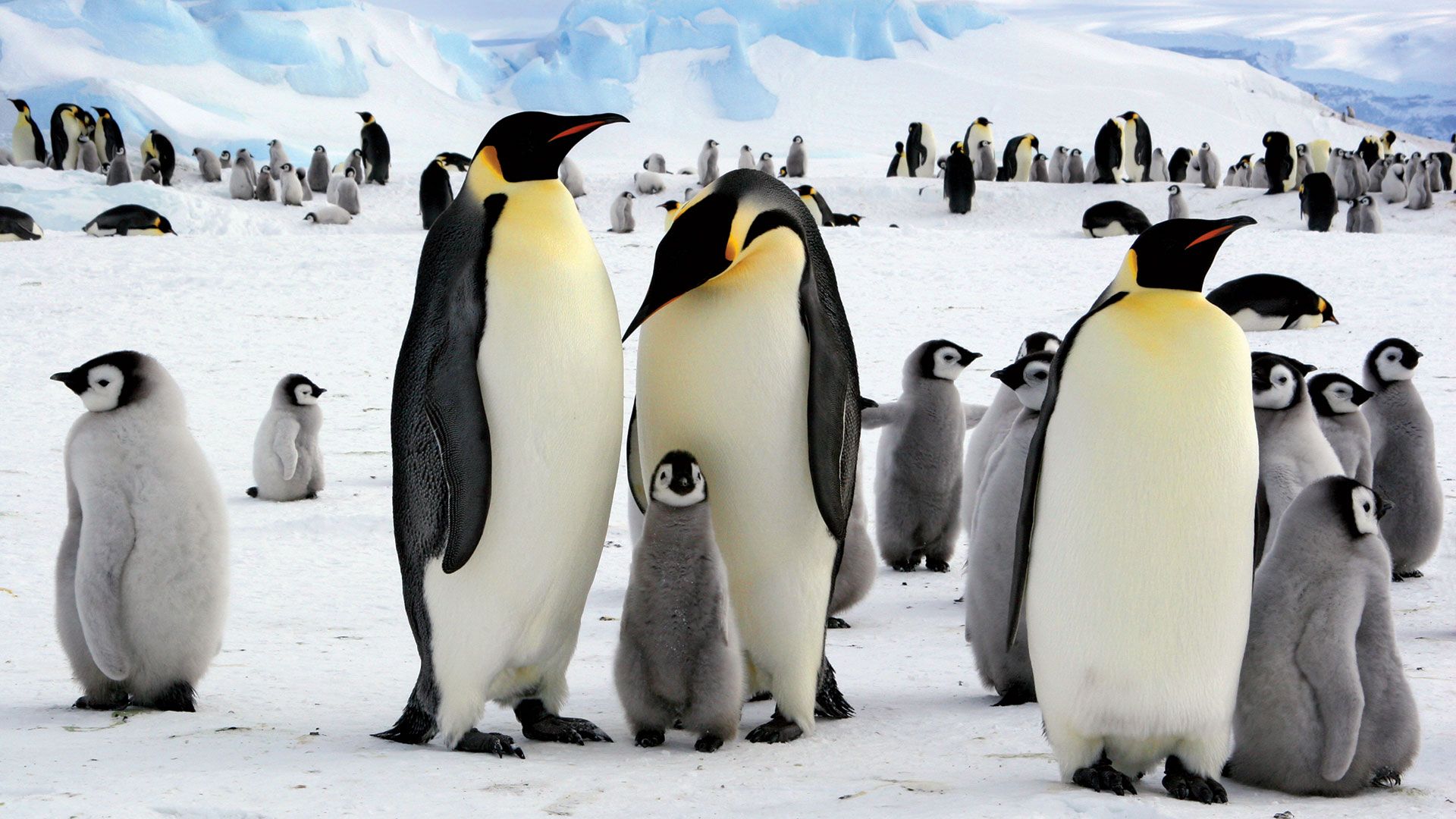
Penguins are highly specialized for their cold, aquatic existence. Their primary insulation comes from a dense arrangement of short, stiff feathers that trap a layer of air against the skin, while a thick layer of fat provides additional warmth. To protect their feet—which are often in direct contact with ice—penguins utilize a countercurrent heat-exchange system. In this process, closely aligned arteries and veins in the limbs allow heat from warm blood flowing outward to transfer to the cooler blood returning from the extremities, keeping their core temperature stable. Behaviorally, they often form large huddles during storms to share body heat and protect their young. Additionally, penguins possess salt glands above their eyes that allow them to ingest seawater by excreting excess salt.12
Other Antarctic Wildlife
- Marine Mammals: Species like the Weddell seal are uniquely adapted to survive under fast ice by using their teeth to maintain breathing holes. Many marine mammals rely on the abundant krill population for sustenance.3
- Fish: Antarctic fish are highly endemic and well-adapted to freezing waters; many bottom-dwelling species belong to the Notothenioidea superfamily.3
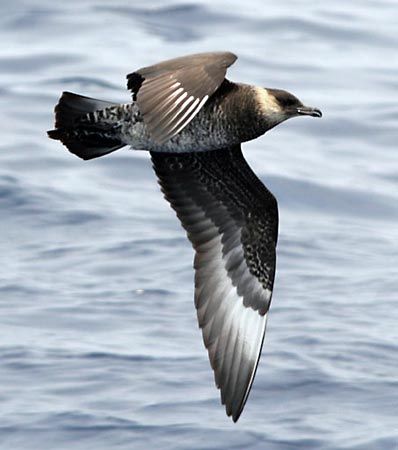
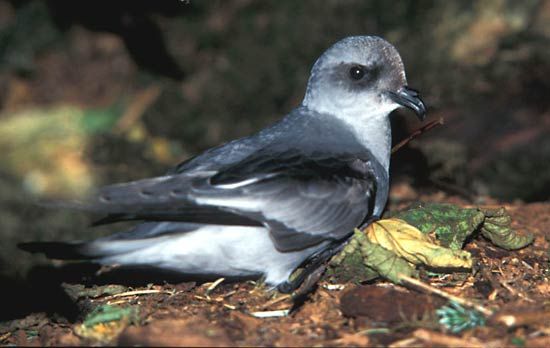
- Birds: Beyond penguins, species like skuas and petrels exhibit strong homing instincts and advanced navigational capabilities, allowing them to traverse the continent.4
How does tourism impact Antarctica, and what regulations are in place?
Tourism in Antarctica has grown significantly since organized commercial cruises began in the mid-1960s. While it offers visitors a chance to experience the continent’s unique scenic resources, this expansion has introduced several environmental and logistical challenges, including concerns regarding waste disposal, the necessity for search-and-rescue capabilities, and the management of potential legal issues.567
Regulation and Governance
Antarctica is governed by the Antarctic Treaty System, which designates the continent as a natural reserve dedicated to peace and science. Key regulatory frameworks include:87
- The Madrid Protocol (1991): This agreement is central to environmental protection, as it prohibits mining, mandates environmental impact assessments for all new activities, and formally designates the continent as a natural reserve.7
- IAATO: Most tour operators are members of the International Association of Antarctica Tour Operators, a self-regulating industry body that serves as a primary contact point with the Antarctic Treaty System to promote safe and environmentally responsible travel.5
- Polar Code: Implemented by the International Maritime Organization in 2017, this code regulates maritime operations and has limited the use of very large cruise vessels in the region.5
These measures are essential to safeguarding Antarctica’s fragile ecosystem against the pressures of increasing human presence.9
What is the history of human exploration in Antarctica?
Human exploration of Antarctica has evolved from early commercial interests to a modern focus on international scientific cooperation.
Early Geographic Discoveries
In the late 18th and 19th centuries, exploration was driven by commercial sealing and the desire to chart Earth’s magnetic field. Sealers from nations including Britain and the United States kept their hunting grounds secret, while state-sponsored expeditions—such as those led by James Clark Ross, Jules-Sébastien-César Dumont d’Urville, and Charles Wilkes—mapped vast stretches of the coastline and interior ice shelves.10
The Heroic Era
The early 20th century, known as the “heroic era,” saw intense competition to reach the South Pole and conduct scientific research. Expeditions introduced new technologies, including motorized transport and aerial reconnaissance. The era culminated in the historic achievement of Roald Amundsen, who first reached the South Pole on December 14, 1911, followed shortly by Robert Falcon Scott in 1912.116
Modern Governance
Following this era, the Antarctic Treaty (1959) transformed the continent into a demilitarized zone dedicated to peace and science, prohibiting military activity and mineral exploitation.12
What major scientific research is conducted in Antarctica?
Antarctica serves as a premier global laboratory for a wide range of scientific disciplines, facilitated by international cooperation under the Antarctic Treaty System. Research conducted on the continent is critical for understanding Earth’s history, climate, and place in the universe.13
Climate and Atmospheric Science
- Ice Core Research: Scientists drill deep into the ice sheet to recover cylinders of ice that provide a record of climate change spanning hundreds of thousands of years. These cores allow researchers to analyze ancient atmospheric composition, including greenhouse gas levels and volcanic activity.14
- Ozone Depletion: Antarctica is a primary site for studying the annual springtime depletion of the ozone layer, helping scientists understand the impact of human-produced halogens on the atmosphere.1513
- Meteorology: Researchers monitor global warming and its effects on glaciers and ice shelves, as well as the dynamics of katabatic winds and polar weather patterns.15
Astrophysics and Geophysics
- Astronomy: The South Pole offers unique conditions for astrophysics, including exceptional atmospheric clarity and the ability to view the Sun continuously during summer. Projects like the Center for Astrophysical Research in Antarctica utilize submillimetre-wave telescopes to study relict radiation from the big bang.15
- Neutrino Detection: The Antarctic Muon and Neutrino Detector Array (AMANDA) uses the deep, pure ice as a massive detector to observe high-energy neutrinos from distant cosmic sources.15
- Geology: Scientists study planetary geology and geophysics to understand Earth’s structure and history.13
Biological Research
Sources
- How do penguins stay warm? — Encyclopædia Britannica
- Antarctica - Sea life — Encyclopædia Britannica
- penguin - Form and function — Encyclopædia Britannica
- Antarctica - Birds — Encyclopædia Britannica
- Antarctica - Tourism — Encyclopædia Britannica
- Antarctic Treaty — Encyclopædia Britannica
- Antarctica - Plant life — Encyclopædia Britannica
- Antarctica - Exploration for resources — Encyclopædia Britannica
- Antarctica — Encyclopædia Britannica
- Antarctica - The “ heroic era ” of exploration — Encyclopædia Britannica
- Antarctica - Early geographic discoveries — Encyclopædia Britannica
- South Pole — Encyclopædia Britannica
- Antarctica - Climate of Antarctica — Encyclopædia Britannica
- ice core — Encyclopædia Britannica
- Antarctica - Post-IGY research — Encyclopædia Britannica
- iceberg - Impacts on ice sheets and sea level — Encyclopædia Britannica
- Amundsen-Scott South Pole Station — Merriam-Webster
Published on · 4 min read