Heat Wave
Meteorologists forecast heat waves primarily by using numerical weather prediction (NWP) models. These systems utilize complex, physics-based mathematical…

How do meteorologists predict and forecast heat waves?
Meteorologists forecast heat waves primarily by using numerical weather prediction (NWP) models. These systems utilize complex, physics-based mathematical models to calculate future changes in temperature, pressure, wind, and humidity.1
By ingesting real-time data from satellites, radar, and weather balloons, these models simulate atmospheric conditions to identify the development of anticyclones. In the middle latitudes, heat waves are often driven by “heat domes,” where stagnant high-pressure systems trap warm air and inhibit atmospheric instability. When these models detect a persistent, blocking high-pressure cell, meteorologists can forecast the prolonged, abnormally hot conditions characteristic of a heat wave.2
While human forecasters interpret and refine these computer-generated outputs, the objective calculations provided by NWP models remain the foundation for modern predictions. Because heat waves pose significant risks to public health, accurate forecasting is essential for early warning and safety.12
What role does climate change play in the frequency and intensity of heat waves?
The increasing frequency and intensity of heat waves observed since the 1950s are directly associated with climate change.3
Human activities, particularly those that increase the concentration of greenhouse gases like carbon dioxide and methane, have altered Earth’s radiative balance. By absorbing infrared energy that would otherwise escape into space, these gases cause the atmosphere to retain more heat. This systemic warming contributes to a rise in global surface temperatures, which provides a warmer baseline that makes extreme heat events more likely to occur and more severe when they do.143
Because these changes are occurring rapidly—likely faster than they would under natural forces alone—they pose significant challenges for both human populations and ecosystems. Heat waves, defined as periods of prolonged, abnormally high temperatures, are significant causes of weather-related mortality, and their intensification due to climate change exacerbates risks such as dehydration, heat exhaustion, and heatstroke.13
What are some historical examples of severe heat waves and their impacts?
Historical heat waves demonstrate the severe impact of prolonged, extreme temperatures on human health, infrastructure, and the environment. Several notable modern episodes illustrate these dangers:
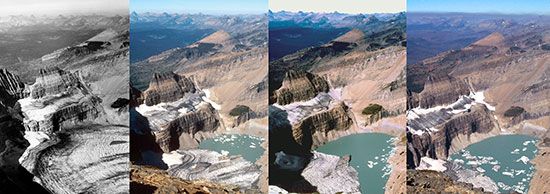
- European Heat Wave of 2003: An anticyclone caused temperatures to soar 20–30 percent above average across Europe from June to August. Resulting in at least 30,000 deaths, the event caused significant environmental damage, including the shrinking of Alpine glaciers and widespread forest fires. It also disrupted energy production, as high water temperatures forced the shutdown of nuclear power facilities.51
- Russian Heat Wave of 2010: Covering approximately 400,000 square miles, this extreme event led to an estimated 55,000 deaths.1
- U.S. Heat Wave and Drought of 1988: This prolonged period of intense heat and dry conditions resulted in more than 4,000 deaths.1
- Indian Heat Wave of 2015: This severe event caused more than 2,500 deaths, highlighting the vulnerability of populations to extreme heat stress.1
These disasters underscore the critical need for public health preparedness, as the elderly, the chronically ill, and isolated individuals remain the most susceptible to heat-related mortality.51
What are the potential health risks associated with heat waves?
Heat waves pose significant risks to human health, primarily through heat-related stress caused by prolonged exposure to abnormally high temperatures and humidity. The most severe condition is heatstroke, which occurs when the body’s ability to regulate its temperature fails, leading to an extreme and dangerous elevation of body temperature (often 104 °F [40 °C] or higher). This can damage the central nervous system and, if left untreated, may result in collapse, coma, or death.67
Other common health risks include:
- Heat exhaustion: A condition often caused by dehydration and inadequate circulation, characterized by heavy sweating, dizziness, nausea, and weakness.7
- Heat cramps: Painful muscle contractions that can occur during heat stress.7
- Exacerbation of chronic conditions: Extreme heat increases the strain on the body, which can worsen existing health issues and contribute to mortality, particularly among the elderly, the very young, and those with pre-existing medical problems.6
The World Health Organization notes that climate-related heat stress is a growing global health concern, expected to contribute to hundreds of thousands of deaths in the coming decades.1
Sources
- Heat wave — Encyclopædia Britannica
- Weather forecasting - Numerical weather prediction ( NWP ) models — Encyclopædia Britannica
- Is Climate Change Real? — Encyclopædia Britannica
- Global warming: Top Questions — Encyclopædia Britannica
- European heat wave of 2003 — Encyclopædia Britannica
- heatstroke — Encyclopædia Britannica
- climate of India - Climate change in India — Encyclopædia Britannica
- heatstroke: Top Questions — Encyclopædia Britannica
Published on · 3 min read