Heirloom Plant
An heirloom plant is any cultivar that breeds "true to type" from seeds, meaning each generation retains the same combination of traits as the parent. While…
What is a heirloom plant?
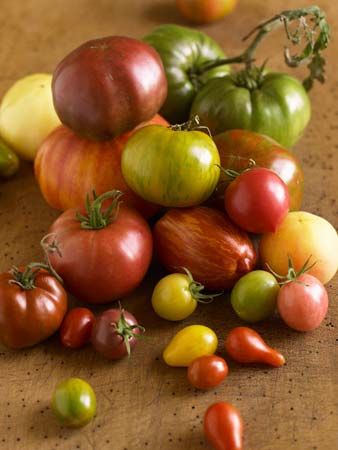
An heirloom plant is any cultivar that breeds “true to type” from seeds, meaning each generation retains the same combination of traits as the parent. While definitions vary, these plants are typically characterized by having been maintained by families or communities for decades—often cited as at least 50 to 100 years or developed prior to the widespread introduction of hybrid crops in 1951.1
Unlike modern hybrids bred for uniform appearance and shipping durability, heirloom plants are open-pollinated and valued for their superior flavor, aesthetic diversity, and regional adaptation. They serve as vital genetic resources, often possessing traits like heat or drought tolerance that are essential for future plant breeding efforts. Because they represent significant cultural and historical connections, many organizations and individuals work to preserve these varieties, including storing them in the Svalbard Global Seed Vault to safeguard global food security.12

How are heirloom plants different from regular plants?
Heirloom plants differ significantly from modern industrial crops in their reproduction, genetic stability, and purpose. The primary distinctions include:
- Reproduction and Breeding: Heirloom plants are open-pollinated, meaning they are pollinated by natural agencies like wind, birds, or insects without human intervention. Because they breed “true to type,” seeds saved from one generation will produce plants with the same characteristics as the parent. In contrast, modern hybrid cultivars are created by crossbreeding specific varieties; their seeds do not breed true, requiring farmers to purchase new seeds every year.14
- Performance and Traits: Modern hybrids are bred for industrial efficiency, focusing on maximum yield, uniform appearance, and durability during shipping. While heirloom plants are often less productive and less disease-resistant than these modern varieties, they are frequently prized for superior flavor, aesthetic diversity, and regional adaptation.12
- Genetic and Cultural Value: Heirlooms often possess unique genetic traits, such as drought or heat tolerance, which are valuable for future plant breeding1. Furthermore, they carry deep cultural significance, often having been maintained by families or communities for generations.21
Why do people grow heirloom plants?
People grow heirloom plants for a variety of cultural, genetic, and personal reasons:
- Superior Flavor and Aesthetics: Many heirloom varieties are specifically prized for their exceptional flavors, as well as their diverse and visually appealing colors and shapes, which often surpass the uniform characteristics of modern industrial hybrids.17
- Regional Adaptation: Because these plants have been cultivated and saved by families or communities over many generations, they are often exquisitely adapted to the specific soil, climate, and pest conditions of their home regions.12
- Genetic Preservation: Heirlooms serve as vital genetic reservoirs. They often possess traits like drought or heat tolerance that are essential for plant breeding efforts to develop hardier, more resilient crop varieties in the face of climate change.17
- Cultural Heritage: Growing these plants provides a tangible connection to the past. Many heirlooms carry deep historical significance, particularly for Indigenous peoples, and represent a cultural legacy that gardeners and farmers work to protect from being lost.1
How are heirloom plants preserved over time?
Heirloom plants are preserved through a combination of traditional cultivation practices and modern, large-scale conservation efforts. Because these plants are open-pollinated, they breed true to type, allowing gardeners and farmers to save seeds from the healthiest, most vigorous plants each season to replant the following year. This cycle of selection has been used by families, communities, and Indigenous peoples for generations to maintain specific varieties adapted to local environments.1
Beyond individual efforts, heirloom preservation is supported by a global network of institutions:
- Seed Banks: National, regional, and international seed banks store duplicate samples of heirloom seeds to protect them from loss.8
- Svalbard Global Seed Vault: Located on the remote island of Spitsbergen, this facility acts as a “doomsday” safety deposit box for the world’s food crops. Since 2008, it has stored more than one million heirloom cultivars to safeguard genetic diversity against global catastrophes, such as nuclear war or climate change.18
- Nonprofits and Hobbyists: Many organizations and individual enthusiasts actively work to keep heirloom varieties in production, ensuring that unique genetic resources are not lost to industrial agriculture.1
Sources
- Heirloom plant — Encyclopædia Britannica
- Plant breeding - Goals — Encyclopædia Britannica
- horticulture - Seed propagation — Encyclopædia Britannica
- Plant breeding - Hybridization — Encyclopædia Britannica
- open-pollinated — Merriam-Webster
- Plant breeding - Mating systems — Encyclopædia Britannica
- Regenerative agriculture — Encyclopædia Britannica
- The Arctic’s Seed-Filled Doomsday Fortress — Encyclopædia Britannica
Published on · 3 min read