The Arctic’s Seed-Filled Doomsday Fortress
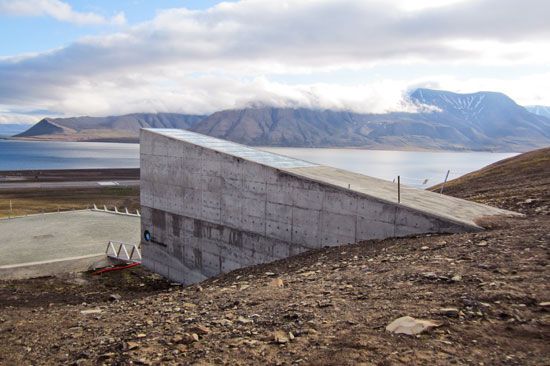
The "doomsday fortress" you are referring to is the Svalbard Global Seed Vault, a secure facility located on the island of Spitsbergen in the Arctic. Opened…
What is The Arctic’s Seed-Filled Doomsday Fortress?
The “doomsday fortress” you are referring to is the Svalbard Global Seed Vault, a secure facility located on the island of Spitsbergen in the Arctic. Opened by the Norwegian government in 2008, it serves as a global “gene bank” designed to safeguard the seeds of over 6,000 food crop species.12
Built deep into a mountain and embedded in permafrost, the vault acts as a safety deposit box for biodiversity. It stores duplicates of seed samples from international banks to protect against global catastrophes, such as nuclear war or plant disease, ensuring that genetic resources remain available for future agricultural needs.12
While the facility is designed to be passive, it is actively managed as a cooperative effort. In 2015, it demonstrated its utility when the International Center for Agricultural Research in Dry Areas made the first withdrawal of seeds due to the Syrian Civil War.12
How does permafrost help keep the seeds preserved?
The Svalbard Global Seed Vault utilizes permafrost as a natural, fail-safe cooling mechanism to ensure the long-term preservation of seeds.12
By embedding the facility deep into the mountainside of Spitsbergen, the vault benefits from the naturally cold, stable temperatures of the surrounding frozen ground. This environment acts as a critical backup: if the vault’s mechanical cooling systems were to fail, the surrounding permafrost would continue to keep the seeds in cold storage, preventing them from spoiling.12
However, this reliance on the natural environment is becoming increasingly complex. While the permafrost was intended to provide a permanent, passive safeguard, rising temperatures in the Arctic have led to melting, which has prompted concerns regarding the long-term feasibility of this natural cooling method.1
We could dive deeper into how the vault’s design accounts for these changing environmental conditions or explore the specific types of crops stored within.
What happens if the Arctic’s permafrost continues to melt?
The continued melting of Arctic permafrost poses significant environmental and structural risks. As the ground thaws, it triggers a series of complex consequences:
Environmental Impact
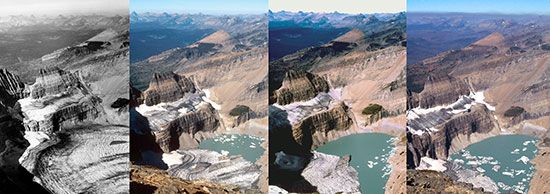
- Greenhouse Gas Release: Permafrost stores vast amounts of carbon in the form of dead organic matter. Thawing exposes this material to microbial decomposition, which releases carbon dioxide and methane into the atmosphere. Because methane has a significantly higher greenhouse warming potential than carbon dioxide, this process can create a positive feedback loop that accelerates global warming.3
- Ecosystem Shifts: The loss of permafrost contributes to the reduction of Arctic tundra, as the landscape is increasingly invaded by northward-migrating tree species and experiences increased shrub density. This change in vegetation reduces the albedo (surface reflectance) of the Earth, causing the region to absorb more solar radiation and further increase local temperatures.3
Structural and Engineering Challenges
- Infrastructure Instability: Thawing ice-rich permafrost leads to ground subsidence, which threatens the integrity of roads, buildings, pipelines, and other critical infrastructure. Maintaining stable foundations in these regions requires specialized engineering, such as elevating structures on piles or using thermal devices to keep the ground frozen.14
- Facility Security: The Svalbard Global Seed Vault was specifically designed to rely on permafrost as a passive, fail-safe cooling system. Recent melting has raised concerns about the long-term reliability of this natural preservation method, forcing a reevaluation of how such critical facilities are maintained.52
Why is genetic diversity important for our food crops?
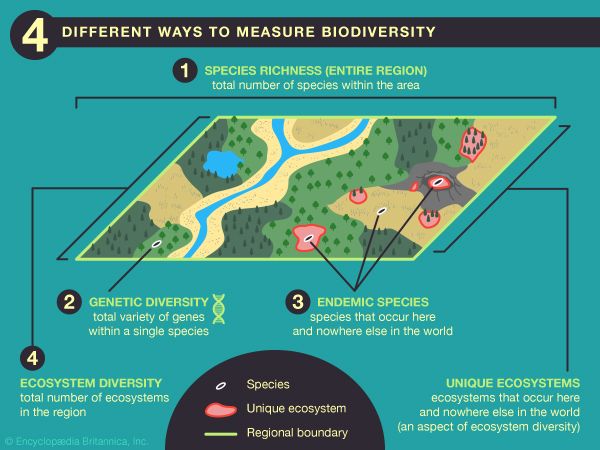
Genetic diversity is essential for the stability and resilience of the global food supply. By maintaining a wide variety of food crops, we preserve a vital “genetic insurance” that protects against catastrophic threats, such as plant disease, pests, and the impacts of climate change.167
The importance of this diversity includes:
- Adaptation and Resilience: Many heirloom plants and wild relatives possess unique genetic traits—such as drought or heat tolerance—that are not found in modern, high-yield hybrid crops. These traits are critical for breeding new, hardier varieties capable of thriving in changing environmental conditions.67
- Risk Mitigation: Modern industrial agriculture often relies on monocultures, where a vast majority of the food supply comes from a very small number of species. This lack of diversity makes the global food system highly vulnerable; if a single disease or climate event affects a primary crop, it can lead to widespread supply chain interruptions or famine.7
- Genetic Resources: Facilities like the Svalbard Global Seed Vault act as repositories for this diversity, ensuring that the genetic resources of thousands of species remain available for future agricultural needs.16
Sources
- The Arctic’s Seed-Filled Doomsday Fortress — Encyclopædia Britannica
- Svalbard Global Seed Vault — Encyclopædia Britannica
- Tundra - Effects of human activities and climate change — Encyclopædia Britannica
- permafrost - General issues — Encyclopædia Britannica
- permafrost - Structures on piles — Encyclopædia Britannica
- Scientists look to genetics to save crops from climate change — Encyclopædia Britannica
- Heirloom plant — Encyclopædia Britannica
- Regenerative agriculture — Encyclopædia Britannica
Published on · 3 min read