Botanical Barbarity: 9 Plant Defense Mechanisms
Plants utilize a variety of sophisticated defense mechanisms to protect themselves from herbivores. These strategies, often referred to as "botanical…
What is Botanical Barbarity: 9 Plant Defense Mechanisms?
Plants utilize a variety of sophisticated defense mechanisms to protect themselves from herbivores. These strategies, often referred to as “botanical barbarity,” include:1
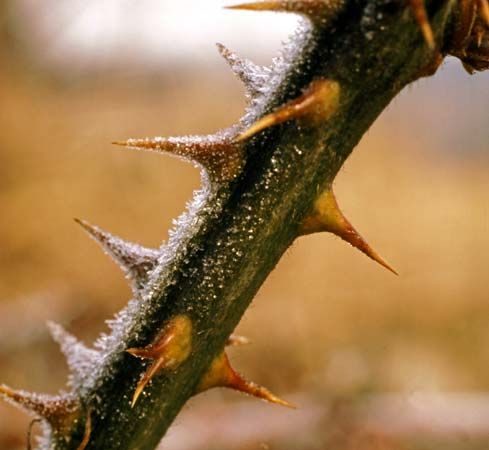
- Thorns: Pointy, modified branches or stems used for physical defense.1
- Prickles: Sharp, pointed outgrowths from a plant’s epidermis.1
- Spines: Modified leaves or stipules that provide protection and shade.1
- Trichomes: Hair-like projections that can impale small insects or inject toxins.1
- Idioblasts: Specialized cells that act like landmines, firing sharp crystals or releasing venom when breached.1
- Mutualism: Forming defensive partnerships, such as housing aggressive ants that protect the plant from threats.1
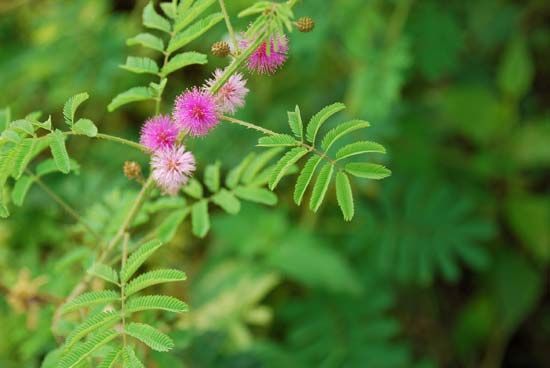
- Crypsis: Behaviors like leaf-folding in Mimosa pudica to appear dead or unappetizing.1
- Chemical signaling: Releasing volatile organic compounds to warn neighbors or attract predators of their attackers.1
- Poison: Producing toxic compounds to sicken or kill herbivores.1
These mechanisms demonstrate that plants are far from passive; they actively manage their environment to ensure survival.1
How do plants communicate with each other using chemical signals?
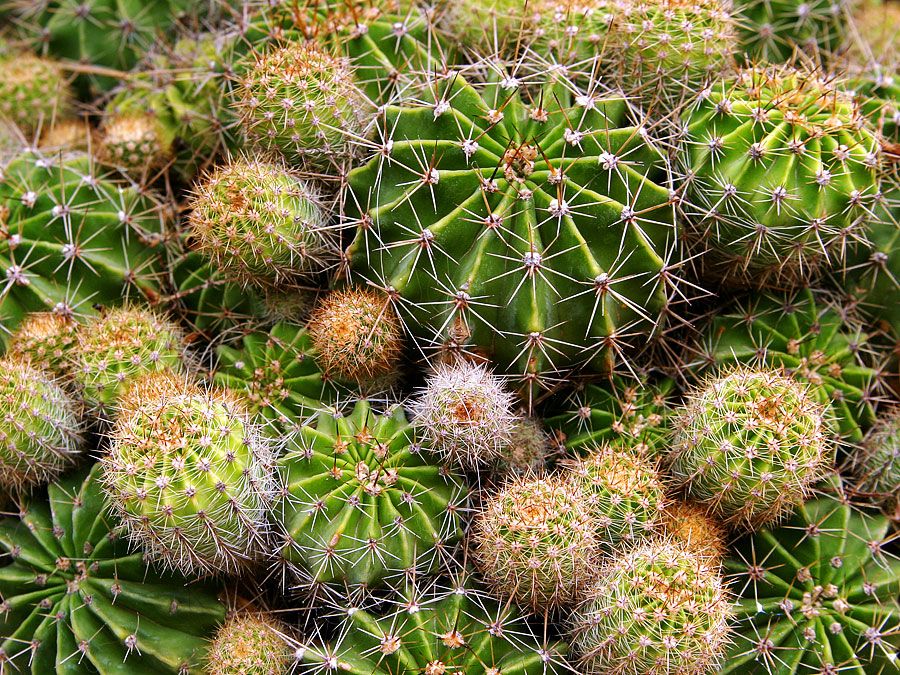
Plants communicate and respond to their environment through sophisticated chemical signaling, functioning as a botanical equivalent to smoke signals. When plants face stressors such as drought, microbial infection, or attacks by pests, they release volatile organic compounds (VOCs) that trigger physiological reactions in neighboring plants. These signals can prompt nearby plants to increase their production of toxic compounds to deter herbivores or release chemicals that attract the predators of their attackers.3
Beyond airborne signals, plants also communicate through their roots and via underground networks of fungal symbionts. Additionally, specific cell wall fragments known as oligosaccharins act as regulatory signals. When released—often by enzymes from fungi breaking down cell walls—these fragments can induce plants to produce antibiotics or regulate developmental processes like the growth of roots, stems, and flowers. These oligosaccharins function at concentrations comparable to hormones in animal cells.32
What is the difference between thorns, spines, and prickles?
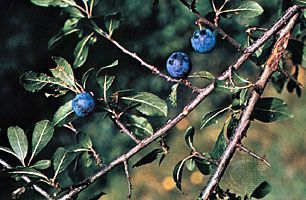
While often used interchangeably, thorns, spines, and prickles are distinct botanical structures that serve as plant defense mechanisms. Their differences are defined by their origin within the plant’s anatomy:
- Thorns: These are modified branches or stems. They are woody, sturdy structures that grow from the plant’s main body.92
- Spines: These are modified leaves or stipules. They are often found on cacti, where they serve the dual purpose of defending the plant’s succulent stems and providing shade from intense sunlight.9
- Prickles: Unlike thorns and spines, which are derived from stems or leaves, prickles are sharp, pointed outgrowths from the plant’s epidermis (the outer layer of the stem). A common example is the rose, which possesses prickles rather than thorns.910
Though they originate from different parts of the plant, all three structures function as physical barriers to deter herbivores from consuming the plant.910
How do some insects use a plant’s own toxins to protect themselves?
Some insects protect themselves from predators by sequestering, or storing, toxic compounds they obtain from the plants they consume. This process allows the insects to become distasteful or poisonous to their own predators, such as birds or mammals.1314
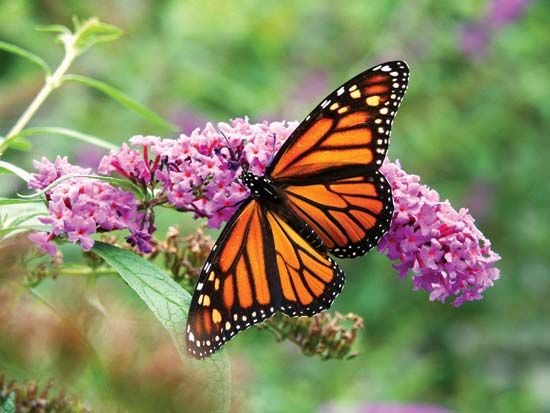
A well-known example involves monarch butterflies, whose larvae feed exclusively on milkweed. Milkweeds contain toxic compounds called cardenolides, which are harmful to the hearts of vertebrate predators and can induce vomiting. The monarch larvae consume these toxins without ill effects and retain them through their pupal stage into adulthood, effectively using the plant’s chemical defense as their own. Similarly, checkerspot butterfly larvae sequester iridoid glycosides from their host plants, which serve as a deterrent against ants and mammals.131514
By incorporating these plant-derived chemicals into their bodies, these insects gain a significant survival advantage, often advertising their toxicity through warning signals to educate predators about their inedibility.1316
Sources
- Eating the rainforest — Encyclopædia Britannica
- Botanical Barbarity: 9 Plant Defense Mechanisms — Encyclopædia Britannica
- Chemoreception - Defensive odors — Encyclopædia Britannica
- cell - Oligosaccharides with regulatory functions — Encyclopædia Britannica
- Chemoreception - Attraction — Encyclopædia Britannica
- mycoheterotroph — Encyclopædia Britannica
- Chemoreception - Behavior and chemoreception — Encyclopædia Britannica
- Chemoreception - Plant chemicals — Encyclopædia Britannica
- prickles — Merriam-Webster
- Christ’s thorn — Encyclopædia Britannica
- crucifixion thorn — Encyclopædia Britannica
- rose: Top Questions — Encyclopædia Britannica
- mimicry - The chemical basis for repulsion — Encyclopædia Britannica
- Monarch butterfly - Life cycle — Encyclopædia Britannica
- Lepidoptera - Protection against danger — Encyclopædia Britannica
- Chemoreception - Defensive tastes — Encyclopædia Britannica
- insecticide - Modes of penetration — Encyclopædia Britannica
Published on · 3 min read