Hognose Snake
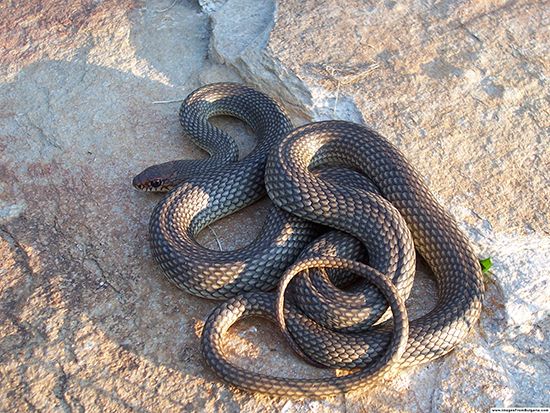
A common misconception about hognose snakes is that they are dangerous or venomous. In reality, these North American colubrids are nonvenomous and generally…
What are some common misconceptions about hognose snakes?
A common misconception about hognose snakes is that they are dangerous or venomous. In reality, these North American colubrids are nonvenomous and generally harmless to humans.1
Their defensive behaviors often lead to further misunderstandings:
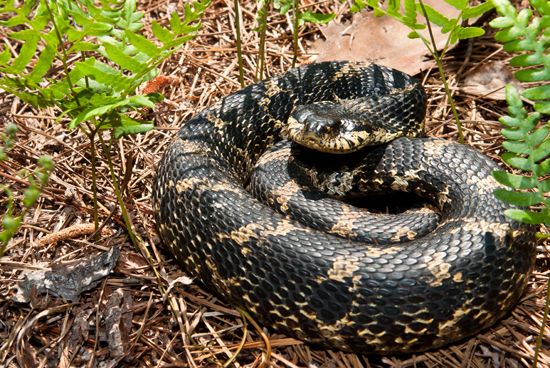
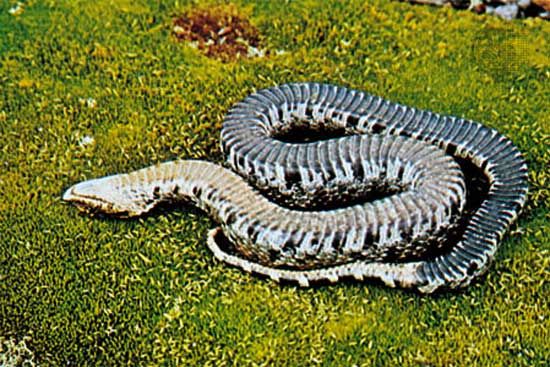
- Aggressive Appearance: When threatened, a hognose snake flattens its head and neck and may strike with a loud hiss. Despite this intimidating display, they rarely bite.1
- Misidentification: Because they inflate their skin near the head when threatened, the eastern hognose is sometimes incorrectly called a “puff adder” or “blow snake,” names that associate them with much more dangerous species.1
- Feigned Death: If their bluffing fails, they may roll over and writhe, eventually feigning death with their mouth open and tongue lolling. This dramatic performance is purely a survival tactic to deter predators rather than a sign of illness or injury.1
These snakes are fascinating creatures that primarily feed on toads, possessing the unique ability to neutralize the poisonous skin secretions of their prey.1
What is the typical habitat and geographical distribution of hognose snakes?
Hognose snakes (genus Heterodon) are native to North America, with their distribution and habitat preferences varying by species:
- Eastern Hognose (Heterodon platirhinos): Found throughout eastern North America.):** Found throughout eastern North America.2
- Western Hognose (H. nasicus): Primarily inhabits the Great Plains, with a range extending from southern Canada to central Mexico.2
- Southern Hognose (H. simus): Occurs from southern Louisiana to southern North Carolina and southward to central Florida.2
- Mexican Hognose (H. kennerlyi): Inhabits northern Mexico and the U.S. states of Arizona, New Mexico, and Texas.2
- Dusty Hognose (H. gloydi): Found in Texas, Oklahoma, Kansas, Missouri, and Illinois.2
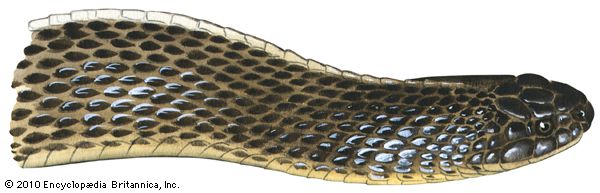
These snakes are characterized by their upturned snouts, which they utilize for digging underground, where they also lay their eggs.2
What are the different species of hognose snakes within the genus Heterodon?
The genus Heterodon comprises up to five species of North American hognose snakes. While there is some scientific debate regarding the classification of certain forms, the following are recognized as the distinct species within the genus:
- Eastern hognose (Heterodon platirhinos): A widely distributed, heavy-bodied species found throughout eastern North America.2
- Western hognose (H. nasicus): Also widely distributed, this species primarily inhabits the Great Plains, ranging from southern Canada to central Mexico.2
- Southern hognose (H. simus): A smaller species occurring from southern Louisiana to southern North Carolina and southward to central Florida.2
- Mexican hognose (H. kennerlyi): Inhabits northern Mexico and the U.S. states of Arizona, New Mexico, and Texas.2
- Dusty hognose (H. gloydi): Found in Texas, Oklahoma, Kansas, Missouri, and Illinois.2
It is important to note that while some authorities recognize the Mexican and dusty hognose as distinct species, others classify one or both as subspecies of the western hognose. Furthermore, the International Union for Conservation of Nature does not currently recognize the dusty hognose as distinct from the western hognose.2
What conservation efforts are in place to protect hognose snakes?
Conservation efforts for hognose snakes vary significantly depending on the species and their specific regional status. While the International Union for Conservation of Nature (IUCN) classifies both the eastern and western hognose snakes as species of least concern, indicating that they are not currently at high risk of extinction, other species face more precarious situations.2
The southern hognose snake (H. simus) is officially listed by the IUCN as a vulnerable species, highlighting the need for targeted protection and habitat management to ensure its survival. Furthermore, conservation status can be highly localized; for example, while the dusty hognose is not recognized as a distinct species by the IUCN, the state of Missouri has identified it as a critically imperiled species, prompting state-level monitoring and protection efforts.2
Protecting these snakes generally involves preserving the sandy, open habitats they require for digging and nesting, as well as maintaining healthy populations of their primary prey, toads.2
Sources
- reptile - Body form and posturing — Encyclopædia Britannica
- hognose snake — Encyclopædia Britannica
- Heterodon — Merriam-Webster
- Heterodontus — Merriam-Webster
Published on · 3 min read