Oats
The scientific name for domesticated oats is Avena sativa. They belong to the grass family known as Poaceae.
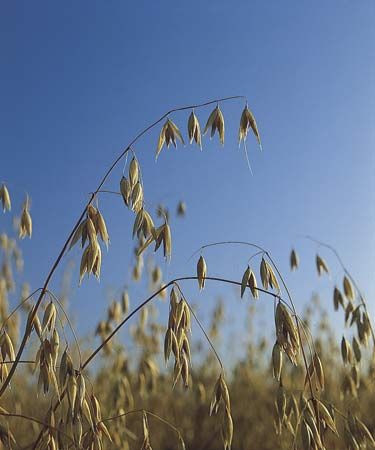
What is the scientific name of oats and which plant family do they belong to?
The scientific name for domesticated oats is Avena sativa. They belong to the grass family known as Poaceae.12
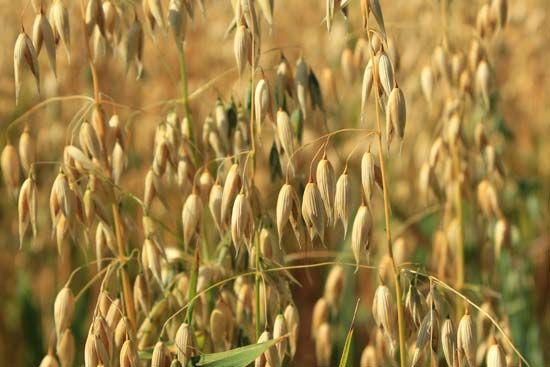
What are some popular dishes and recipes that use oats as a main ingredient?
Oats are a versatile ingredient used in a variety of culinary preparations, ranging from traditional breakfast staples to savory national dishes.
Popular Oat-Based Dishes
- Oatmeal: The most common preparation, made by stewing oats in a liquid like water or milk. It can be customized with sweeteners, fruits, nuts, seeds, and spices.4
- Overnight Oats: A popular 21st-century dish inspired by Swiss muesli. It involves soaking rolled oats in liquid—often with yogurt, nut butter, or fruit—in the refrigerator for several hours or overnight to soften them.4
- Haggis: A traditional Scottish dish that incorporates oats as a key ingredient.4
- Oatcakes: A classic Scottish baked good made primarily from oats.4
- Baked Goods and Puddings: While oat flour is generally not suitable for bread, it is frequently used to make cookies and various puddings.2
Preparation Variations
The texture and cooking time of these dishes depend on the type of oat used, such as steel-cut (Irish) oats, which offer a nuttier flavor, or quick and instant oats, which are processed for convenience.4
How are oats cultivated and harvested?
Oats (Avena sativa) are annual plants widely cultivated in cool, temperate regions of the world. They are highly adaptable, capable of growing in sandy, low-fertility, or highly acidic soils provided there is sufficient moisture. While common oats thrive in cool climates, heat-tolerant varieties like red oats are grown in warmer areas.2
Following harvest, the processing of oats is critical, particularly for those intended for human consumption. Because oats have a high percentage of healthy fats, they are prone to rapid spoilage and the development of rancidity caused by the enzyme lipase. To prevent this, the grain must be processed soon after harvesting.45
The processing steps typically include:
- Cleaning: Preliminary cleaning is essential to remove impurities.5
- Kilning: The grains are roasted (kilned) to improve flavor and stability.5
- Steam Treatment: A few minutes of steam treatment is used to destroy lipase activity, preventing the formation of free fatty acids that can cause a soapy taste.5
- Hulling: The hulls are removed to produce groats, which may then be flattened, chopped, or ground into various forms like rolled or steel-cut oats.24
How have oats been used historically in various cultures?
Oats have a long history of human use, with evidence of consumption dating back more than 30,000 years, when wild oats were ground into a porridgelike meal.4
Historically, the perception and use of oats varied significantly by culture:
- Ancient Greece and Rome: While the Greeks and Romans were aware that oats were edible, the grain was largely relegated to use as animal feed or food for peasants.4
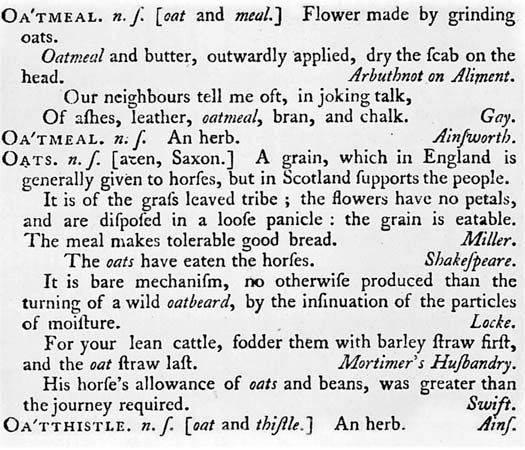
- Britain: The Romans introduced oats to Britain, where the grain thrived in the cool, wet climate. By 1500, oats had become a staple cereal in England, Ireland, Scotland, and Wales.4
- Scotland: Oats became deeply embedded in Scottish national cuisine, serving as the foundation for traditional dishes such as haggis and oatcakes, in addition to the classic thick porridge.4
- United States: For much of its early history in America, the grain was primarily utilized as livestock feed. It was not until around 1900 that oatmeal gained widespread popularity as a breakfast food, bolstered by the rise of local grocery stores and the marketing efforts of companies like the Quaker Oats Company.4
Sources
Published on · 3 min read