Peninsula
A peninsula is a piece of land that is nearly surrounded by water. The term is derived from the Latin words paene, meaning "almost," and insula, meaning…
What is peninsula?
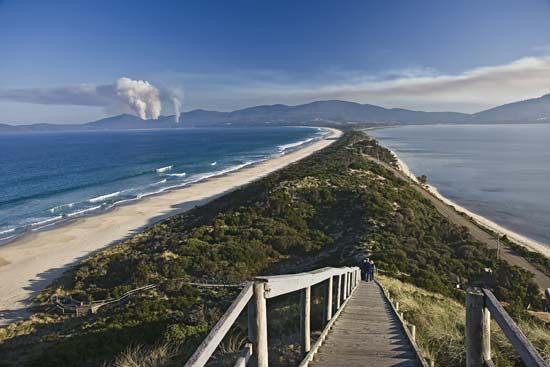
A peninsula is a piece of land that is nearly surrounded by water. The term is derived from the Latin words paene, meaning “almost,” and insula, meaning “island.” Traditionally, a peninsula is attached to a larger landmass by a narrow neck of land known as an isthmus, though the definition is often applied to any long promontory where the coastline is significantly longer than the landward boundary.1
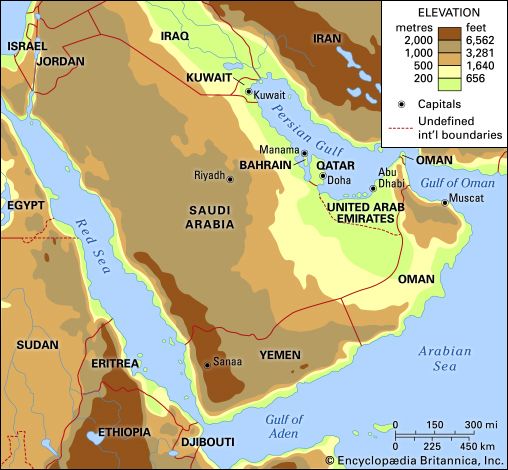
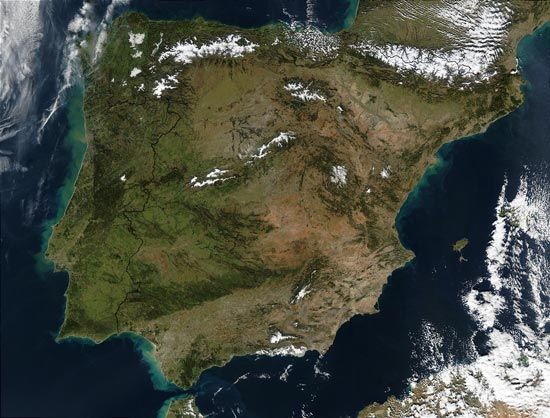
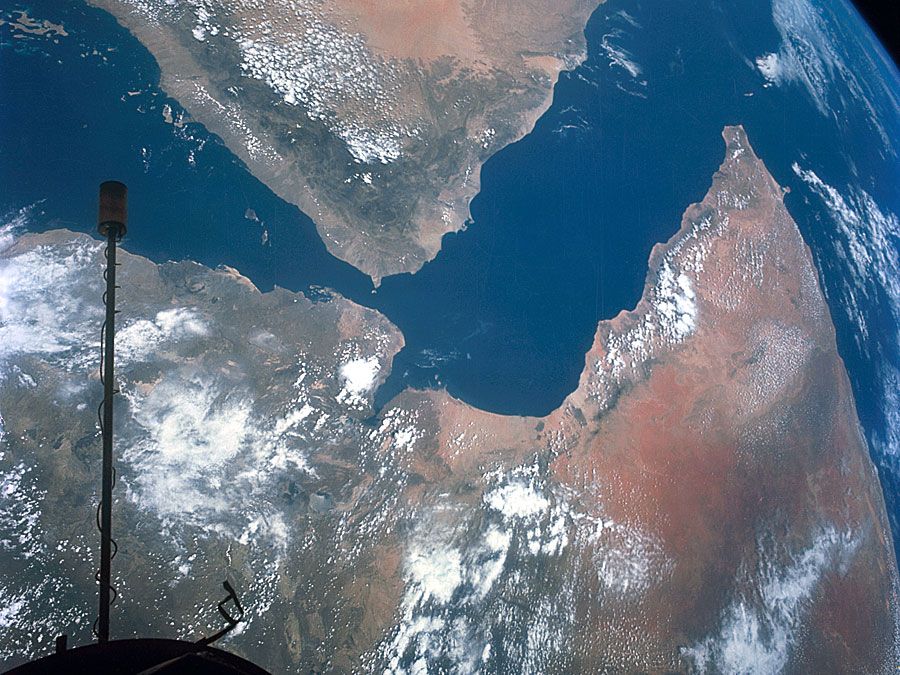
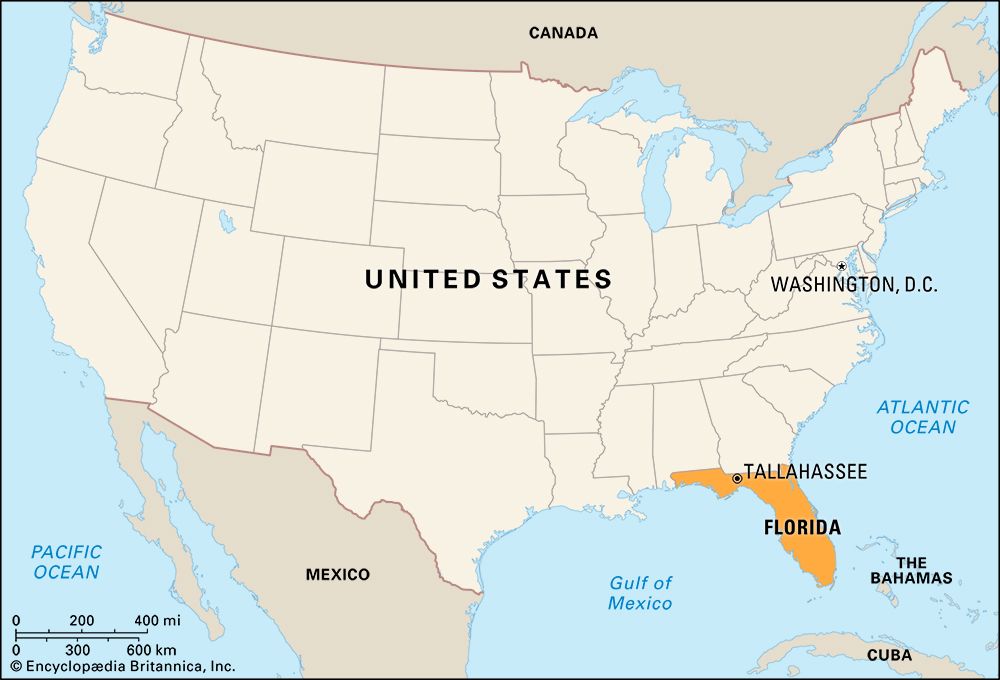
The world’s largest peninsula is Arabia, while other notable examples include the Iberian Peninsula in Europe, Florida in North America, and the Antarctic Peninsula in Antarctica. These landforms are common geographical features found on every continent, often serving as significant landmarks or regional boundaries.1
What is an isthmus and how does it relate to a peninsula?
An isthmus is a narrow strip of land that connects two larger land areas that would otherwise be separated by bodies of water. These features are significant in geography because they often serve as corridors for the migration of plants and animals between the connected landmasses.3
The relationship between an isthmus and a peninsula is foundational to the traditional definition of the latter. A peninsula is a piece of land nearly surrounded by water, and in its original sense, it is described as being attached to a larger landmass by a neck of land—the isthmus—that is narrower than the peninsula itself. While the term “peninsula” is now often applied more broadly to any long promontory where the coastline is significantly longer than the landward boundary, the isthmus remains the classic physical link that defines the peninsula’s connection to the mainland. Famous examples of this connection include the Isthmus of Corinth, which joins the Peloponnese to the rest of the Greek peninsula.43
How do peninsulas differ from islands?
The primary difference between a peninsula and an island lies in their connection to larger landmasses.
- Peninsula: A piece of land that is nearly surrounded by water. In its traditional sense, it remains attached to a larger landmass by a narrow neck of land known as an isthmus. However, the term is also used more broadly to describe any long promontory where the coastline is significantly longer than the landward boundary. The word itself is derived from the Latin paene, meaning “almost,” and insula, meaning “island,” reflecting its status as land that is almost, but not entirely, an island.12
- Island: An area of land that is completely surrounded by water on all sides. Unlike a peninsula, an island is not connected to a larger continent or landmass by a land bridge or isthmus.67
In short, while an island is isolated by water, a peninsula maintains a physical link to the mainland.12
What are some of the largest peninsulas in the world?
The world features many expansive peninsulas, which are defined as landmasses nearly surrounded by water, often connected to a larger continent by an isthmus.
The largest peninsula in the world is Arabia, which covers approximately 1 million square miles (2.6 million square km) in Southwest Asia. It is bordered by the Red Sea, the Gulf of Aden, the Arabian Sea, the Persian Gulf, and the Gulf of Oman.2
Other prominent peninsulas include:
- Scandinavian Peninsula: A large northern European promontory occupied by Norway and Sweden, spanning about 289,500 square miles.29
- Iberian Peninsula: Located in southwestern Europe, comprising Spain and Portugal.2
- Alaska: A massive region in North America that functions as a peninsula and contains several smaller peninsulas, such as the Alaska, Kenai, and Seward peninsulas.2
- Malay Peninsula: A significant feature in Southeast Asia.2
- Kamchatka Peninsula: Located in the far eastern region of Russia.2
- Antarctic Peninsula: An 800-mile (1,300-km) northward extension of Antarctica.2
Sources
- peninsula — Merriam-Webster
- peninsula — Encyclopædia Britannica
- isthmus — Merriam-Webster
- isthmus — Encyclopædia Britannica
- isthmuses — Merriam-Webster
- island — Merriam-Webster
- islands — Merriam-Webster
- peninsula — Merriam-Webster
- Scandinavian Peninsula — Encyclopædia Britannica
- India - History of India — Encyclopædia Britannica
- Arabia — Encyclopædia Britannica
- Arabian Desert - Physical features — Encyclopædia Britannica
Published on · 3 min read